Football fans experience an average of 41% more stress on matchdays, leading to higher heart rates and blood pressure, according to researchers. With the World Cup in full swing, here are some science-backed football facts.
The Magnus Effect: Beckham's Curved Free Kicks
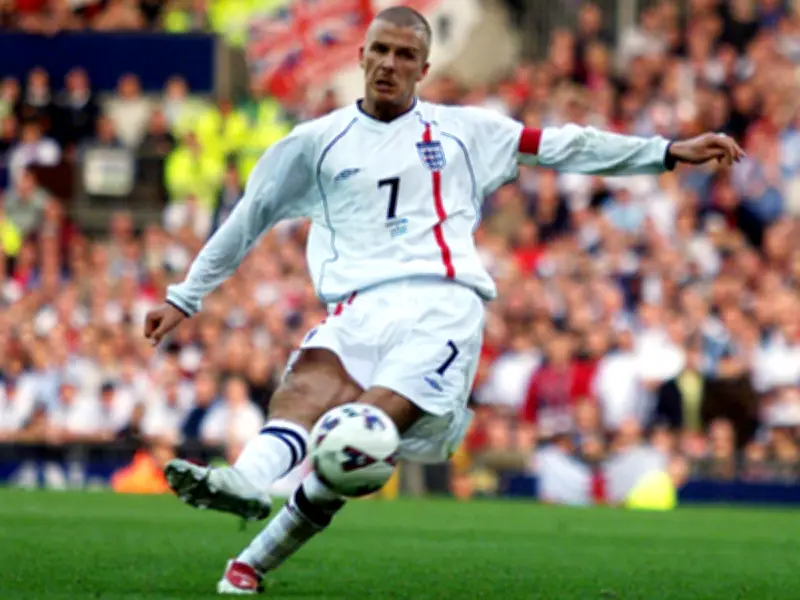
England legend David Beckham may not be known as a physicist, but his curling free kicks exploited the Magnus effect. Discovered by 19th-century German scientist Heinrich Magnus, the phenomenon explains why a ball kicked to the right of its centre spins anti-clockwise and deflects to the left.
Kit Colour Matters
The colour of a team's kit can affect performance. While opinions differ on whether colours like red provide a competitive advantage, researchers at the University of York found that when opponents wear the same colour on any part of their strip, it slows players' response times.

National Anthem and Winning
Teams that sing their national anthem with passion are more likely to win, according to a 2018 study in the European Journal of Sport Science. Analysing UEFA Euro 2016 matches, the study found that sides who sang vigorously at the start conceded fewer goals.
Ring Finger Length and Goal Scoring
A longer ring finger may indicate a genetic advantage for scoring goals, says evolutionary biologist Dr John Manning. In 2001, he examined the hands of 304 professional footballers and found that for most, the ring finger was longer than average, linked to testosterone exposure in the womb.
Heading the Ball and Brain Injury
Heading the ball can lead to spectacular goals but carries risks. A study published by Amsterdam University Medical Centre found that heading the ball just once releases brain injury markers into the blood, potentially increasing the lifetime risk of diseases like Alzheimer's.
Injury Timing and Types
Players face the highest risk of injury between the 60th and 75th minutes of a match, according to 2025 research by Naprosyn Pain Relief. The most common injuries are lower limb issues, such as hamstring strains, sidelining players for one to three days.
Weather's Impact on Playing Style
Weather significantly affects matches and can influence a country's playing style over time. A 2024 study of Champions League games found that higher temperatures lead to fewer counter-attack shots, fewer completed dribbles, and more long-range shots.