Tesla's Self-Driving Robotaxis Spark Safety Crisis in Austin with Alarming Crash Rate
A damning report from the National Highway Traffic Safety Administration (NHTSA) has exposed a disturbing trend in Austin, Texas, where Tesla's autonomous robotaxis are causing chaos on the streets. The data reveals these driverless vehicles have been involved in crashes at a rate more than four times higher than human-operated cars, raising serious questions about the safety of this emerging technology.
Fourteen Documented Crashes in Eight Months
According to the explosive NHTSA findings, a total of 14 separate accidents involving Tesla's 2026 Model Y robotaxis have been recorded since their debut in June last year. This translates to nearly two crashes per month, a startling statistic for vehicles that CEO Elon Musk has repeatedly championed as the future of transportation. The report covers incidents through January, painting a concerning picture of the technology's real-world performance.
Pattern of Erratic Behavior and Redacted Reports
Passengers and observers have consistently reported troubling behavior from the autonomous vehicles, including erratic driving patterns, sudden and unexpected braking, and inappropriate reactions to stationary objects. Compounding the issue is Tesla's opaque reporting practices. Unlike other autonomous driving companies such as Waymo, Zoox, and Avride, Tesla heavily redacts its crash reports, often marking critical details as "MAY CONTAIN CONFIDENTIAL BUSINESS INFORMATION." This lack of transparency severely limits public understanding of what exactly goes wrong during these incidents.

Notable Incidents and Investigations
The crash log includes several high-profile events that have drawn regulatory and law enforcement scrutiny:
- Bus Collision: In December, a Tesla robotaxi smashed into a public bus, prompting an ongoing investigation by the Austin Police Department. This remains the only crash among the 14 to trigger a formal police inquiry.
- Cyclist Impact: A September incident saw a Tesla strike a cyclist. Fortunately, no injuries were reported, though property damage did occur.
- Animal Strike: The fastest recorded crash happened at 27 mph when a vehicle hit an animal crossing the road.
- Low-Speed Incidents: Several other accidents involved Teslas striking unspecified objects at speeds below 10 mph, often in intersections, streets, or parking lots.
Notably, at least seven of the crashes occurred during cloudy weather conditions. Tesla had previously warned customers that inclement weather could limit the availability of its self-driving service, suggesting the technology struggles with less-than-ideal visual environments.
Contrast with Competitors and Regulatory Framework
The vagueness of Tesla's disclosures stands in stark contrast to the detailed reports filed by its competitors. For instance, a Waymo report from December clearly specified the streets involved and described how its autonomous vehicle activated horn and hazard lights before another car reversed into it. Tesla's reports from the same period are filled with redactions, obscuring crucial pre- and post-crash details.
Under federal regulations, automakers are required to submit these crash reports to the NHTSA. The agency uses this data to monitor safety trends and can request vehicle recalls if it determines a specific defect exists. The NHTSA has already contacted Tesla regarding reports of robotaxis making dangerous errors, such as driving on the wrong side of the road or executing abrupt maneuvers.
Rollout Timeline and Current Operations
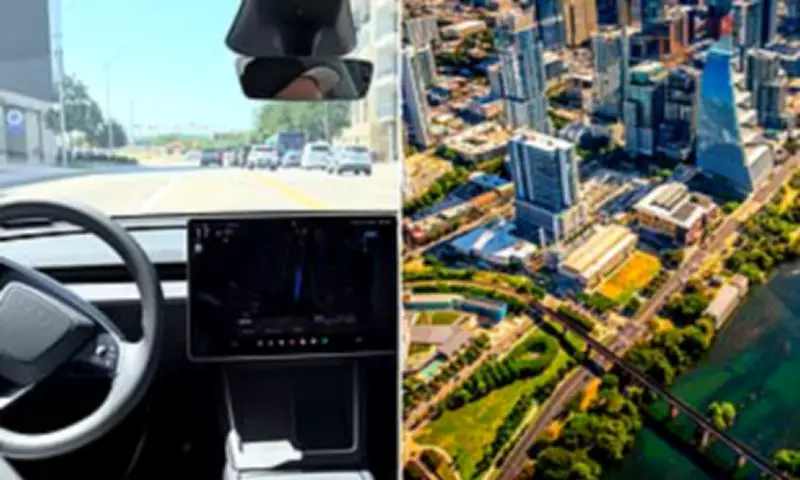
Tesla first launched its robotaxi service in Austin in June 2025 with approximately a dozen vehicles, all initially equipped with human safety monitors in the front passenger seat. By January, despite the growing list of accidents, the company began deploying vehicles without any human monitors present. Ashok Elluswamy, Tesla's Vice President of AI Software, stated the company was starting with just "a few" vehicles to pilot the driverless technology.

Today, the Austin fleet has expanded to about 44 vehicles. However, the service is operational for only about 19 percent of its scheduled hours, meaning a very limited number of robotaxis are actually available at any given time. This scarcity often leaves potential riders unable to book trips, further limiting real-world testing data.
Public Complaints and Future Ambitions
Beyond the documented crashes, riders have shared numerous complaints and videos online showing robotaxis braking abruptly or swerving unnecessarily in response to objects on the road. One particularly alarming clip appeared to show a human safety monitor asleep at the wheel as the vehicle passed through an intersection.
Despite these setbacks, Elon Musk remains bullish on the technology's future. He has suggested Tesla is shifting its focus toward autonomy and away from its traditional car lineup. The company recently announced the first Cybercab—a two-door, fully autonomous vehicle without a steering wheel or pedals—has rolled off the production line at its Austin factory. Musk has predicted this model will eventually become Tesla's highest-volume vehicle, claiming "general transportation is going to be better served by autonomy as it will be safer and cheaper."
Tesla plans a significant expansion in 2026, bringing its driverless car service to Dallas, Houston, Phoenix, Miami, Orlando, Tampa, and Las Vegas. The company already offers robotaxi rides in the Bay Area, though those vehicles are not fully autonomous as they still require human drivers. As federal regulators continue to review the Cybercab, the safety record in Austin will undoubtedly influence both public perception and regulatory approval for this ambitious nationwide rollout.