Volvo Issues Major Recall of 40,000 EX30 Electric SUVs Over Battery Fire Risk
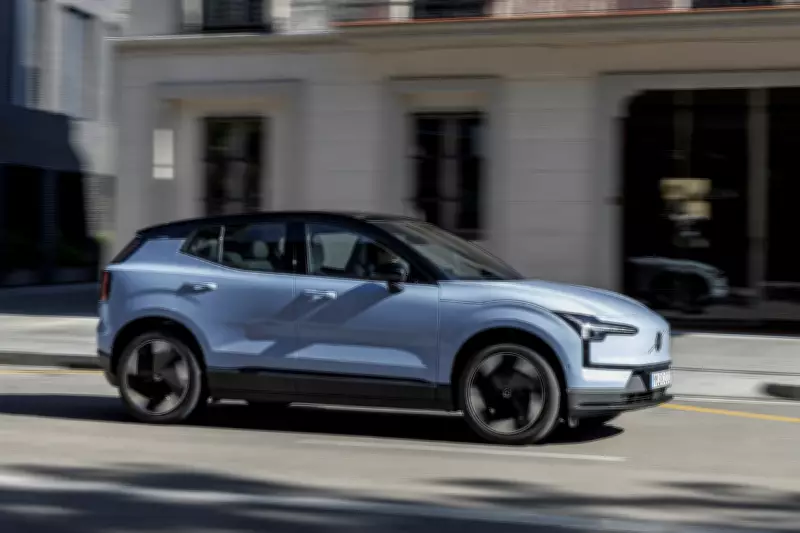
Volvo has announced a significant recall affecting over 40,000 of its flagship EX30 electric SUVs due to a serious risk of battery packs overheating, which could lead to potential fires. This move places Volvo's long-standing reputation for safety under intense scrutiny and highlights critical challenges in the competitive electric vehicle market.
Details of the Recall and Affected Models
The recall specifically targets 40,323 EX30 Single-Motor Extended Range and Twin-Motor Performance models. Owners of these vehicles are being directly contacted by Volvo with urgent instructions to limit their charging to 70% of battery capacity to immediately mitigate the fire risk. Volvo has committed to providing replacement battery modules free of charge to all affected customers, ensuring that the issue is resolved without financial burden to owners.
Impact on Volvo's Strategy and Reputation
This recall is particularly sensitive for Volvo as the EX30 model is a cornerstone of the company's strategy to compete with more affordable Chinese electric vehicle brands. The timing could not be worse, as Volvo, which is majority-owned by China's Geely, seeks to strengthen its position in the global EV market. The battery packs in question were supplied by a joint venture backed by Geely, which has since addressed the manufacturing flaw. However, the incident raises questions about supply chain reliability and quality control in the rapidly expanding electric vehicle sector.

Broader Implications for the Automotive Industry
This recall underscores the ongoing challenges faced by automakers in ensuring the safety of electric vehicle batteries, a critical component that directly impacts consumer trust and brand loyalty. As electric vehicles become more prevalent, incidents like this highlight the need for rigorous testing and transparent communication from manufacturers. Volvo's proactive approach in issuing the recall and offering free replacements may help mitigate damage, but the long-term effects on its market share and reputation remain to be seen.