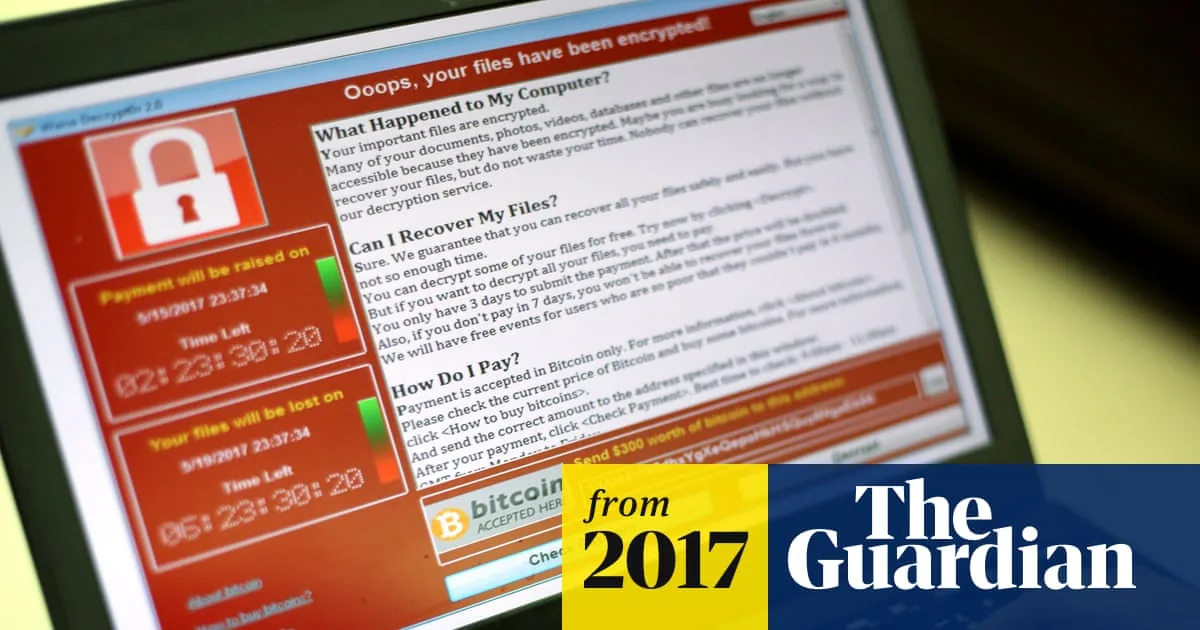
Black Friday, falling on 28 November this year, has been dubbed 'Black Fraud Day' by experts as scams proliferate. The National Cyber Security Centre (NCSC) warns shoppers to be vigilant, especially as artificial intelligence makes fraudulent websites increasingly convincing.
Cybersecurity firm Darktrace reports a sharp rise in malicious emails mentioning Black Friday throughout October, peaking on the last day of the month. Jonathon Ellison, NCSC director for national resilience, says cyber criminals exploit increased spending by using trusted brands and popular products to deceive people into clicking malicious links or sharing personal information.
Adrian Ludwig of Tools for Humanity notes that AI enables fraudsters to create entire deceptive small-business identities, complete with faces and stories, in minutes. Consumer group Which? advises that unrealistically low prices, requests for bank transfers or cryptocurrency, and impersonated URLs (e.g., 'J0hn Lewis' with a zero) are red flags.

Scam websites often lack privacy policies, postal addresses, or 'about us' pages, and create urgency with limited-time offers. The NCSC urges anyone receiving suspicious emails to forward them to the Suspicious Email Reporting Service, and suspicious texts to 7726. Victims of fraud in the UK should contact Action Fraud. Using a credit card offers protection under the Consumer Credit Act 1974.