Dragon Quest 7 Reimagined Review: A Classic JRPG Transformed for Contemporary Audiences
Dragon Quest 7 Reimagined represents a significant evolution for this beloved Japanese role-playing game, offering a meticulously polished experience that trims excess while amplifying its core strengths. This latest remake from Square Enix successfully addresses the intimidating length and complexity of previous versions, presenting a more accessible entry point without sacrificing the franchise's signature charm.
A Streamlined Adventure That Respects Its Legacy
Originally released as Dragon Quest 7: Fragments of the Forgotten Past, this title has long been considered one of the series' most underrated gems. The Reimagined version marks the third remake of this particular entry, demonstrating Square Enix's commitment to perfecting this expansive adventure. By deliberately cutting filler content and streamlining narrative progression, developers have created a version that maintains the original's ambitious scope while reducing completion time from potentially over 100 hours to a more manageable traditional JRPG length.
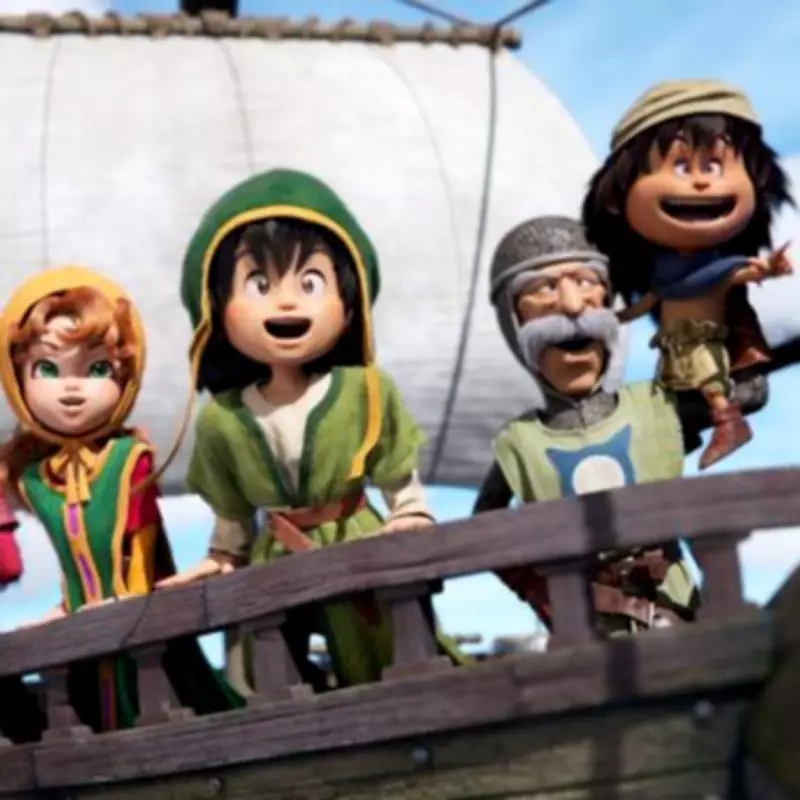
This approach may not satisfy series purists who cherish every detail of the original experience, but it creates what could be considered the definitive version for contemporary players. The game preserves the late Akira Toriyama's distinctive character designs while presenting them through a beautiful doll-like aesthetic that enhances the fairytale quality of the narrative.

Enhanced Gameplay Mechanics and Battle Systems
The combat system receives substantial improvements that add strategic depth without overwhelming complexity. New features include adjustable difficulty settings, variable battle speeds, and the innovative Moonlighting system that allows characters to utilize two vocations simultaneously. This dual-vocation approach enables players to access additional special skills that activate when characters become "worked up" during combat, creating dynamic tactical possibilities that previous versions couldn't offer.
Traditional turn-based combat remains at the core, but these enhancements allow for remarkable personalization. Players can combine classic magic attacks with vocation-specific perks and regularly swap accessories to create a battle experience tailored to their preferences. The standard difficulty rarely proves overly challenging, but the new systems provide satisfying strategic layers for those seeking deeper engagement.
Visual Presentation and Artistic Direction
The transition to a full 3D diorama-style presentation represents a bold artistic choice that largely succeeds in enhancing the game's atmosphere. This toy-like aesthetic complements the narrative's fairytale elements while maintaining Toriyama's iconic character designs. The new camera perspective allows players to appreciate environmental details more freely, encouraging thorough exploration of each beautifully rendered area.
Some visual elements do show limitations, particularly the repetition of certain character models for minor NPCs and occasional dungeon designs that blend together. However, the overall presentation remains consistently engaging, with varied layouts and environments that prevent true repetition from setting in during the extensive journey.
Narrative Structure and Character Development
The story follows familiar JRPG conventions with a young hero embarking on a world-saving adventure, but distinguishes itself through its unique structure of exploring multiple lost continents across different time periods. This approach creates a series of engaging micro-stories, from solving mysteries about petrified townsfolk to battling rogue automatons, each feeling like a distinct chapter in an epic anthology.
Character development shines through both traditional text dialogue and selective voice acting reserved for emotional climaxes. The eclectic party members, including Roamer tribe dancer Aishe, wolf-turned-boy Ruff, and Prince Kiefer, each display distinctive personalities that evolve throughout the journey. While the main antagonist takes time to emerge, this pacing allows for richer development of the central cast and their individual narratives.

Final Verdict and Overall Assessment
Dragon Quest 7 Reimagined accomplishes precisely what it sets out to achieve: transforming a classic but bloated JRPG into a refined, accessible experience for modern audiences. By learning from both the 2000 original and 2016 3DS remake, Square Enix has created a version that respects the source material while implementing meaningful quality-of-life improvements.
The streamlined approach may prevent this version from being considered truly definitive for all players, but it successfully preserves the core journey and characters that made the original so beloved. Combined with enhanced battle systems, reduced exploration tedium, and a visually striking art style, Dragon Quest 7 Reimagined makes a compelling case as one of the franchise's best remakes to date, earning a solid 4 out of 5 rating for its successful balancing of tradition and innovation.