For fans of the exploration-heavy Metroidvania genre searching for a captivating new adventure, MIO: Memories in Orbit has arrived to deliver a profoundly satisfying and visually distinct experience. Developed by the small studio Douze Dixièmes and published by Focus Entertainment, this indie gem masterfully blends classic genre mechanics with a breathtaking, unique artistic vision.
A World of Pencil-Sketch Wonder
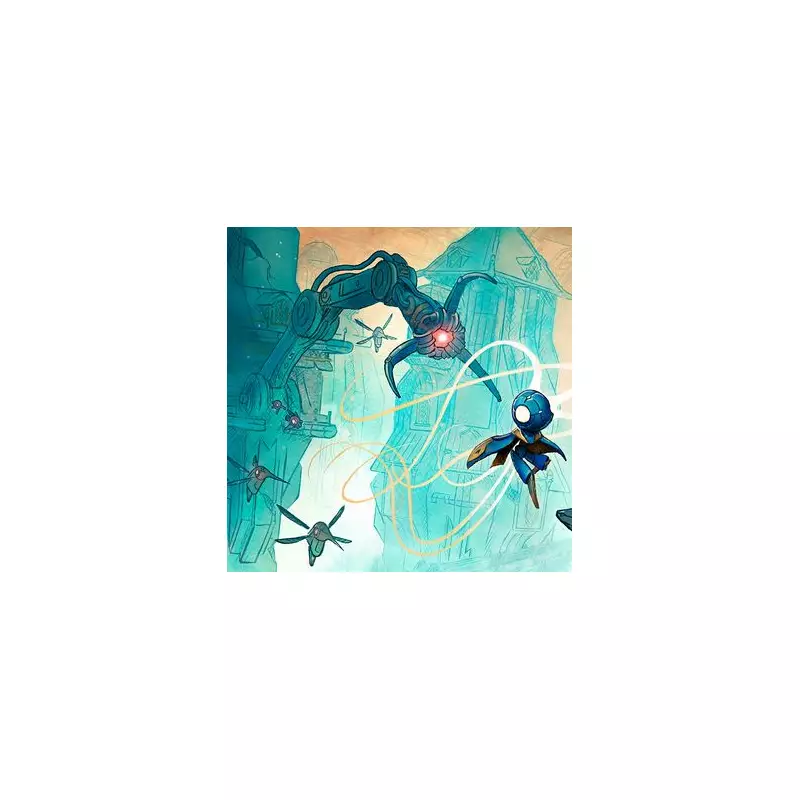
From the outset, MIO distinguishes itself through its remarkable aesthetic. Abandoning pixel art nostalgia, the game immerses players in a hand-drawn, pencil-sketch world that feels both fresh and intimately crafted. The art style, complete with visible sketch lines and a nuanced colour palette, creates a sombre yet hopeful tone. You play as Mio, a wispy robot protagonist, awakening on a mysterious, fractured starship known as the Vessel in the distant future. Your core mission is to explore this enigmatic structure and piece it back together, a goal that becomes compelling from the very first moments.
The game excels in establishing a powerful sense of place, a hallmark of great Metroidvanias like Hollow Knight and Super Metroid. While the abstract, technological storytelling may leave some narrative threads open to interpretation, it consistently fuels a deep curiosity to uncover the Vessel's secrets and restore its functionality.

Challenging Gameplay and Tight Mechanics
At its heart, MIO: Memories in Orbit is a classic 2D Metroidvania. Progression is gated by acquiring new traversal and combat abilities, which in turn unlock previously inaccessible areas. The platforming feels exceptionally responsive and snappy, with moves like a hover-glide, a grappling hook using Mio's Hairpin, and wall-climbing with Striders. Success, however, demands careful management of a stamina bar.
The game places a significant emphasis on demanding boss battles, rivalling the challenge found in modern greats like Nine Sols and the Hollow Knight series. These encounters rigorously test your mastery of Mio's abilities, with some bosses requiring dozens of attempts to defeat. Fights range against a scarecrow-like android that sweeps the screen to a four-armed tank that disrupts your orbit, each demanding pattern recognition and precise execution. The satisfaction of finally overcoming these hurdles is immense.
Exploration is consistently rewarded. The game avoids the dread of backtracking by ensuring new upgrades and modifiers make revisiting areas a pleasure. Notably, MIO is not a Soulslike; upon death, you do not get a chance to reclaim lost 'Nacre' (the game's currency), which adds a layer of strategic caution to exploration.
A Few Quibbles in a Stellar Package
If there is a notable weakness, it lies in the game's modifier upgrade system. Modifiers, which alter Mio's capabilities, are found throughout the Vessel and installed using resources like Nacre and rare Old Cores. The system allows for customisation, but the balance between modifiers feels inconsistent. Some, like enhancing every third hit in a combo, are far more impactful than others, such as slightly faster stamina regeneration. This can make the 'give and take' of the system feel occasionally skewed towards 'take'.
Nevertheless, this is a minor critique in an otherwise outstanding package. The haunting soundtrack, featuring synthesised piano and ethereal choirs, perfectly complements the otherworldly atmosphere. The complete absence of human characters does nothing to diminish the emotional weight of Mio's quest to restore the Vessel.
In summary, MIO: Memories in Orbit is a triumph. It confidently borrows the best elements from the genre's modern masters while wrapping them in a stunning, unique artistic shell and a compelling sci-fi mystery. It is an early must-play for 2026 and secures its place among the very best indie Metroidvanias of recent years.