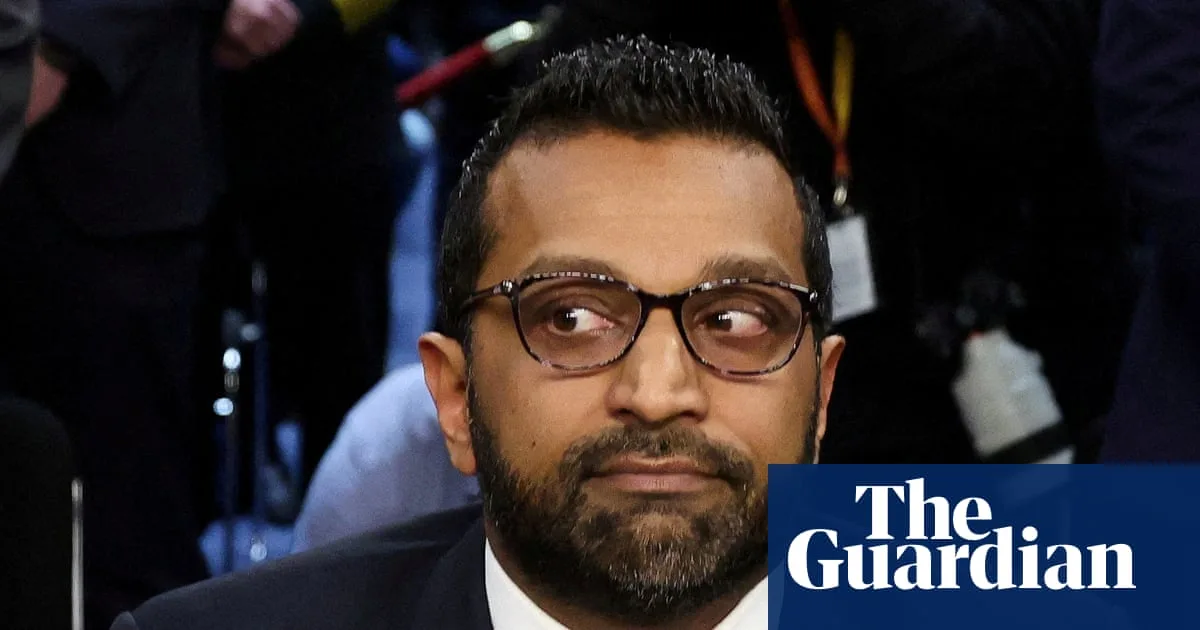
Iran-backed hackers have successfully breached the personal email inbox of FBI Director Kash Patel, according to a public claim by the group known as the Handala Hack Team. The hackers published photographs of Patel and other documents online, declaring him as one of their "successfully hacked victims." This incident highlights ongoing cybersecurity threats from state-sponsored actors targeting high-profile officials.
Justice Department Confirms Authenticity of Breach
A Justice Department official has confirmed the email breach, indicating that the material published online appears to be authentic. While Reuters could not independently authenticate the emails, the personal Gmail address matches one previously linked to Patel in other data breaches. The content of the leaked emails spans from 2010 to 2019, comprising a mix of personal and work correspondence, raising concerns about the exposure of sensitive information.
Handala Hack Team Linked to Iranian Government
Western researchers consider the Handala Hack Team to be one of several personas utilized by Iranian government cyberintelligence units. This group recently claimed another hack on medical devices provider Stryker, demonstrating a pattern of aggressive cyber operations. The involvement of state-backed hackers underscores the geopolitical tensions in cyberspace, with Iran increasingly targeting Western institutions and individuals.
Background on Kash Patel and Political Context
Kash Patel, who serves as FBI Director, has been a prominent figure in U.S. law enforcement. The breach comes amid political activities, such as a recent Memphis briefing where Stephen Miller and Kash Patel were noted to compete in flattering former President Trump. This incident may have implications for national security and personal privacy, as hackers potentially gain access to confidential communications.
Implications for Cybersecurity and National Security
The leak of Patel's emails raises significant questions about the cybersecurity measures in place for high-ranking officials. With Iranian hackers targeting critical infrastructure and personal accounts, there is a growing need for enhanced digital protections. This breach could lead to further investigations into the methods used by the Handala Hack Team and potential countermeasures to prevent future incidents.
As the situation develops, authorities are likely to assess the full extent of the damage and any potential risks to national security. The public disclosure of such breaches serves as a stark reminder of the vulnerabilities in even the most secure systems, urging both individuals and organizations to bolster their cybersecurity practices.