AI Video Maker Advertisement Banned Over Objectification and Harmful Stereotypes
The Advertising Standards Authority (ASA) has prohibited a YouTube advertisement for an AI video editing application after it received multiple complaints that the content sexualised women and promoted the non-consensual digital alteration of their bodies. The advert for PixVideo – AI Video Maker, which appeared in January, has been ruled as irresponsible and likely to cause serious offence.
Controversial Content and Public Complaints
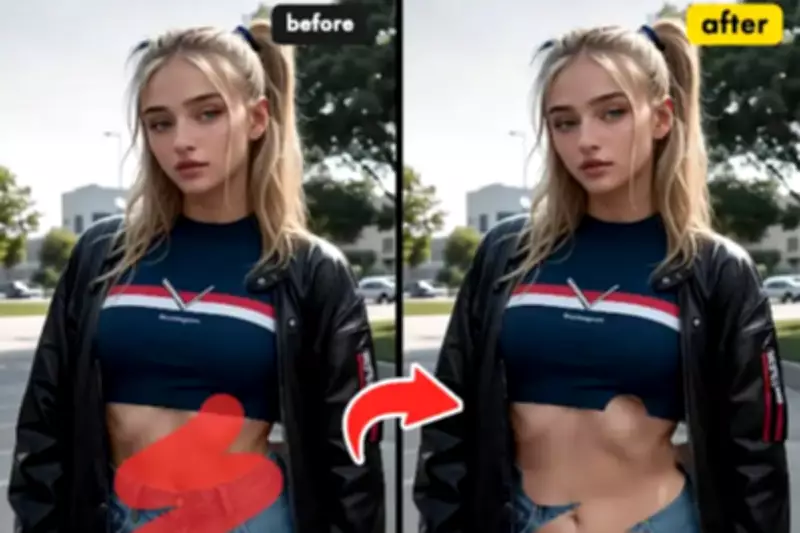
The contentious advertisement displayed 'before' and 'after' images of a young woman. In the initial image, red scribble covered her midriff, while the subsequent image revealed bare skin, including areas beneath her shorts. Accompanying text stated "Erase anything" with a heart-eyes emoji, strongly implying the app could be used to digitally remove clothing.
Eight individuals formally complained to the ASA, arguing that the advert objectified women, was irresponsible, offensive, and potentially harmful. They contended that it promoted gender stereotypes by reducing the woman to a sexual object and condoned the non-consensual digital exposure of women's bodies.

Company Response and Product Safeguards
Saeta Tech Ltd, operating as PixVideo – AI Video Maker, acknowledged that the advertisement was likely to cause serious offence. The company clarified that these concerns stemmed from the advert's presentation and messaging, not from the product's intended functionality.
The firm emphasised that its application does not support, and was not designed to enable, the removal of clothing or the creation of nude imagery. Its terms of service explicitly prohibit the generation of nude or sexually explicit content. Furthermore, the company employs automated AI-based detection and blocking systems to prevent the creation of exposed or explicit imagery.
Saeta Tech Ltd confirmed it had already removed the advertisement from circulation and voluntarily suspended all advertising campaigns. The company is conducting a comprehensive internal audit to rectify its marketing strategies and ensure future compliance with advertising standards.
ASA Investigation and Final Ruling
The ASA conducted a thorough investigation into the complaints. While it acknowledged the company's assertions that the app does not permit users to create nude or sexually explicit content, the regulator concluded that the advertisement itself was problematic.
The ASA stated that the advert reduced the depicted woman to a sexual object. More significantly, it determined that the advertisement implied viewers could use the application to remove a woman's clothing, thereby condoning the digital alteration and exposure of women's bodies without their consent.
The regulator welcomed Saeta Tech's proactive removal of the advert but upheld the complaints. It ruled that the advertisement was irresponsible, included a harmful gender stereotype, and was likely to cause serious offence. The ASA has forbidden the advert from appearing again and instructed PixVideo – AI Video Maker to ensure all future advertisements are socially responsible.
The final directive mandates that the company's marketing must not cause serious or widespread offence, including by featuring harmful gender stereotypes that objectify and sexualise women. This case highlights growing regulatory scrutiny over how AI technology is marketed, particularly concerning consent, digital ethics, and gender representation in advertising.