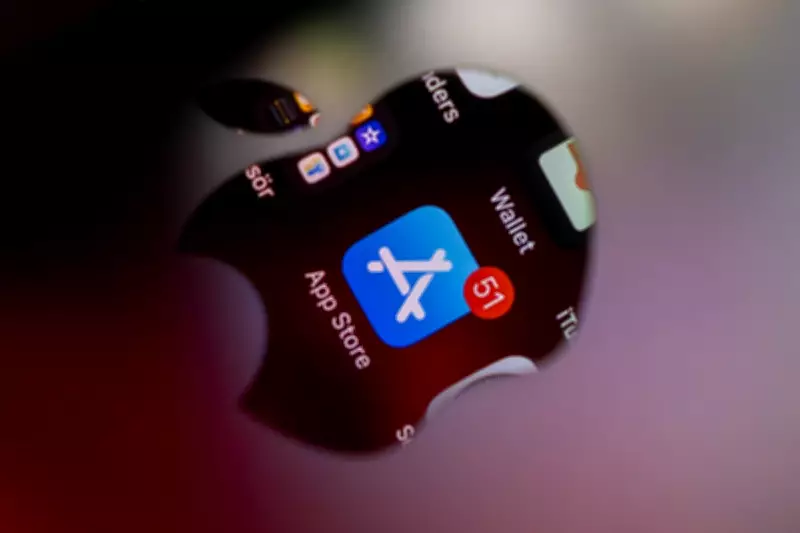
Apple has announced a significant reduction in commission fees for its App Store in mainland China, lowering rates from 30% to 25% for in-app purchases and paid transactions, effective this Sunday. This move comes after sustained pressure from Chinese regulators and aligns with broader global scrutiny of the tech giant's payment policies.
Regulatory Discussions Drive Fee Adjustment
In a statement posted on its developer blog, Apple confirmed that the changes follow discussions with Chinese regulatory authorities. "Apple is making changes to the App Store in China following discussions with the Chinese regulator," the company stated. The new commission rates will apply to the China mainland storefront on iOS and iPadOS starting March 15, 2026.
Financial Impact on Developers and Consumers
The fee cut is projected to save Chinese developers over 6 billion yuan (approximately $873 million) in operating costs each year, according to a report by the state-owned Economic Daily. This publication framed the adjustment as a victory for digital consumers in China, noting that it will enhance consumption choices and improve information transparency.

The Economic Daily further elaborated that the reduction is expected to lower prices for various digital services, including membership subscriptions, game recharges, live broadcast tips, and mini-programs. This could save consumers up to nearly 1 billion yuan annually, gradually eliminating premiums on digital goods and services within the iOS ecosystem.
Benefits for Small Businesses and Super Apps
For developers participating in Apple's small business and mini-apps partner programs, in-app purchase fees will be reduced from 15% to 12%. Mini-apps, which are smaller applications operating within larger platforms like Tencent's WeChat, stand to gain significantly from this change.
This adjustment represents a breakthrough for major Chinese app developers and operators of "super apps," such as Tencent and ByteDance, the owner of TikTok. These platforms host numerous third-party mini-apps, and the fee reduction could alleviate financial burdens and foster innovation within their ecosystems.
Global Context of Antitrust Scrutiny
Apple's 30% commission, often referred to as the "Apple tax," has been a focal point of antitrust investigations worldwide. In the European Union, legislation introduced in 2024 compelled Apple to lower fees to between 10% and 17% for developers. In the United States, Apple now permits alternative payment methods for in-app purchases, a change prompted by a high-profile lawsuit with Epic Games, the maker of Fortnite.
Rich Bishop, founder of AppInChina, a consultancy for foreign software developers, commented on the situation: "In China's case, Apple has been talking with the IT ministry and other departments, and have been requested or pressured to reduce their fees." He added that the Chinese government might eventually require Apple to collect App Store revenues domestically rather than overseas, potentially tightening regulatory oversight for foreign apps in China.
Historical and Future Regulatory Implications
The fee reduction coincides with World Consumer Rights Day, a period when Chinese state media often critiques companies accused of consumer rights violations. Apple faced similar scrutiny in 2013 when state broadcaster CCTV criticized its after-sales service, leading to a public apology from the company.
Bloomberg reported last year that China's antitrust watchdog had been considering an investigation into Apple's App Store policies and fees, though no formal charges were levied. Additionally, Chinese consumers filed an antitrust complaint regarding Apple's fee structure in October of the previous year.
Apple has previously complied with Chinese internet regulations by removing apps like virtual private networks (VPNs) from its China App Store. VPNs allow users to bypass domestic internet censorship by masking their device's location, a practice common among both Chinese users and foreign firms operating in the country.

Broader Industry Trends
This move by Apple follows a similar trend in the tech industry, as Google recently reduced Android developer fees worldwide. The fee reduction in China also applies to international developers whose apps are available on the China App Store. For instance, Duolingo, a top-grossing education app in China, generates about $50 million annually from the Chinese market and will benefit from these savings.
As global regulators continue to challenge the dominance of big tech companies, Apple's adjustment in China highlights the growing influence of governmental pressure on corporate policies. This development may set a precedent for further fee reductions and regulatory changes in other markets, impacting both developers and consumers globally.