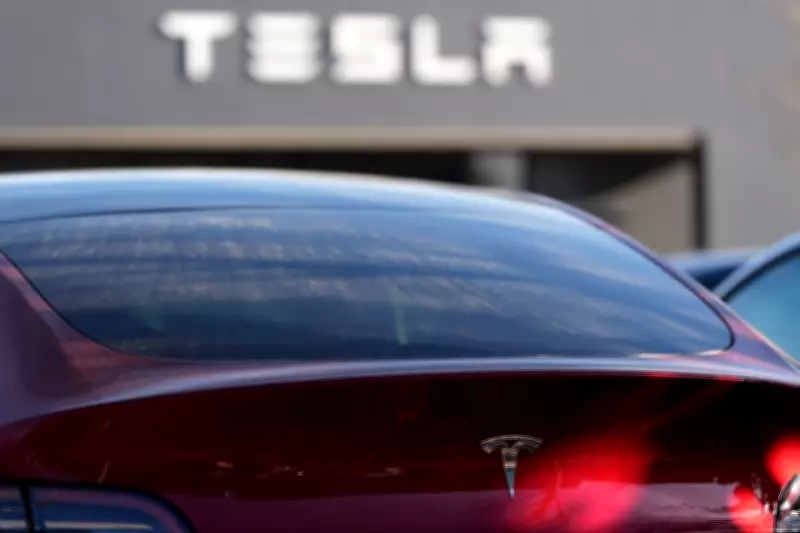
China has announced a significant new automotive safety regulation that will prohibit the use of hidden door handles on vehicles, effective from the beginning of 2027. The policy specifically targets retractable and electronic door handle designs commonly featured on many electric vehicles, including popular models from Tesla and other manufacturers.
New Safety Mandate for Vehicle Doors
According to details released by China's Ministry of Industry and Information Technology, all car doors—with the exception of tailgates—must incorporate a mechanical release function for handles. This directive comes in direct response to growing safety concerns following several fatal electric vehicle accidents where electronic door systems reportedly malfunctioned, trapping passengers inside the vehicles during emergencies.
Implementation Timeline and Industry Impact
The new requirement will officially take effect on January 1, 2027. For car models that have already received regulatory approval, manufacturers will have until January 1, 2029, to implement necessary design changes to comply with the updated regulations. This phased approach provides the automotive industry with a transitional period to adapt their vehicle designs and manufacturing processes.

Vehicles likely to be affected include Tesla's Model Y and Model 3, BMW's iX3, and numerous models from Chinese automotive brands that currently feature retractable door handles. These sleek, aerodynamic designs have become particularly popular among premium electric vehicle manufacturers seeking both aesthetic appeal and improved efficiency.
Global Regulatory Implications
Industry analysts suggest China's pioneering move could have substantial international ramifications. Chris Liu, a Shanghai-based senior analyst at technology research and advisory group Omdia, noted that China represents the first major automotive market to explicitly ban electrical pop-out and press-to-release hidden door handles through formal national safety standards.
"While other regions have previously flagged safety concerns regarding these door handle designs, China is the first to formalize this into a comprehensive national safety standard," Liu explained. "It's highly probable that regulators in Europe and other jurisdictions will reference or align with China's approach in their own safety evaluations."
Cost Implications for Carmakers
The new regulations present potentially costly challenges for automotive manufacturers. Carmakers will need to undertake significant redesigns or retrofits to incorporate mechanical release mechanisms into vehicles that currently rely exclusively on electronic door handle systems. These modifications could prove particularly expensive for premium electric vehicle segments where retractable door handles have become established design features.
"Retractable door handles are treated as both a design statement and an aerodynamic enhancement in the premium EV market," Liu added. "The new requirements will therefore impact these higher-end vehicles more substantially than conventional models."
Regulatory Background and Development
The Chinese Ministry of Industry and Information Technology initially published a draft of the proposed rules in September 2025 for public comment, allowing industry stakeholders to provide feedback before finalization. This regulatory development follows increasing scrutiny of electronic door handle systems internationally.
In 2025, the U.S. National Highway Traffic Safety Administration opened an investigation into reported failures of Tesla's electronic door handles, highlighting similar safety concerns in another major automotive market. China's decisive regulatory action now establishes a clear precedent that other nations may follow as they evaluate door handle safety standards.
The move represents a significant shift in automotive safety regulation, prioritizing mechanical redundancy over sleek electronic designs in critical safety systems. As electric vehicles continue to gain market share globally, this Chinese regulation may influence design philosophies across the entire automotive industry for years to come.