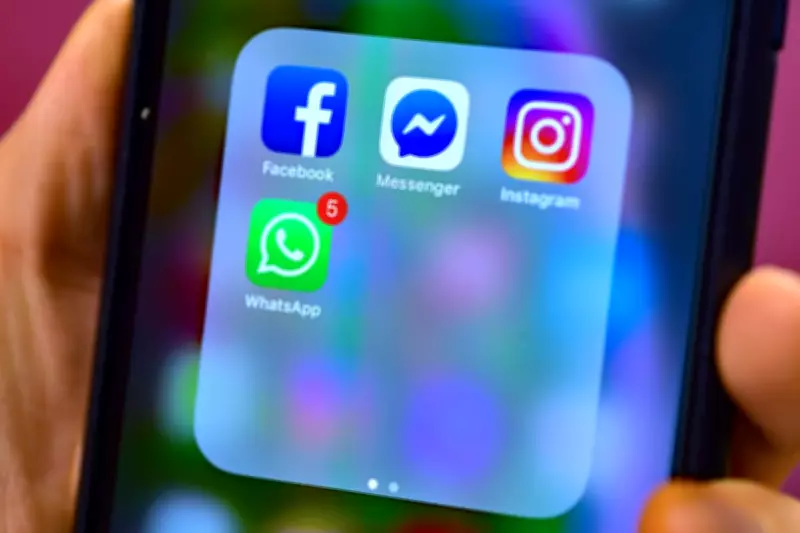
Greece has declared it will implement a comprehensive social media ban for all children under the age of 15, effective from January 1, 2027. Prime Minister Kyriakos Mitsotakis made the groundbreaking announcement, positioning Greece as a pioneering European nation in the global effort to safeguard young minds from the detrimental effects of digital platforms.
Addressing Rising Mental Health Concerns
In a direct video message targeted at young citizens, Prime Minister Mitsotakis elaborated on the government's rationale. He emphasised that excessive screen time and engagement with social media are directly linked to increasing levels of anxiety, significant sleep disturbances, and the psychologically manipulative, addictive designs inherent to many online platforms.
"Prolonged exposure prevents young minds from resting and subjects children to immense pressure from constant social comparison and the barrage of online commentary," Mitsotakis stated. He further noted that these concerns are not merely theoretical, citing widespread reports from Greek parents about their children's struggles with sleep patterns, heightened anxiety, and an unhealthy attachment to their mobile devices.

Widespread Public Support and Existing Measures
The decision appears to have substantial public backing. An ALCO opinion poll conducted in February revealed that approximately 80 percent of surveyed Greeks approve of implementing such a ban on social media for minors. This move builds upon existing governmental actions, including the prohibition of mobile phones within schools and the establishment of dedicated parental control platforms designed to help manage and limit teenagers' daily screen time.
A European and Global Trend
Prime Minister Mitsotakis expressed his conviction that Greece is leading a necessary charge. "Greece will be among the first countries to take such an initiative," he declared. "I am certain, however, that it will not be the last. Our overarching goal is to encourage and push the entire European Union to adopt similar protective measures."
This prediction aligns with developments across the continent. Nations including Slovenia, Britain, Austria, and Spain have all indicated they are actively exploring or drafting comparable legislative bans. This European shift follows the precedent set by Australia, which made history last year by becoming the first country in the world to block social media access for children under the age of 16.
Parallel Initiatives in the United Kingdom
In the United Kingdom, a government-led pilot programme is already underway to study the impacts of social media restrictions. Announced last month, the trial involves 300 teenagers aged between 13 and 17. Spearheaded by the Department for Science, Innovation and Technology (DSIT), the six-week study is testing various interventions, including complete social media bans, enforced time limits, and usage curfews.
Researchers are closely monitoring the effects of these restrictions on key areas of the participants' lives, including their academic performance, sleep quality, and overall family dynamics. The pilot programme is scheduled to conclude on May 26, with its findings likely to inform future UK policy decisions on enhancing online safety for children and adolescents.