Greece Announces Groundbreaking Social Media Ban for Under-15s
In a landmark move to address growing mental health concerns among young people, Greece has confirmed it will ban social media access for all children under the age of 15. The ban, announced by Prime Minister Kyriakos Mitsotakis, is scheduled to take effect from 1 January 2027.
Targeting Anxiety and Addiction
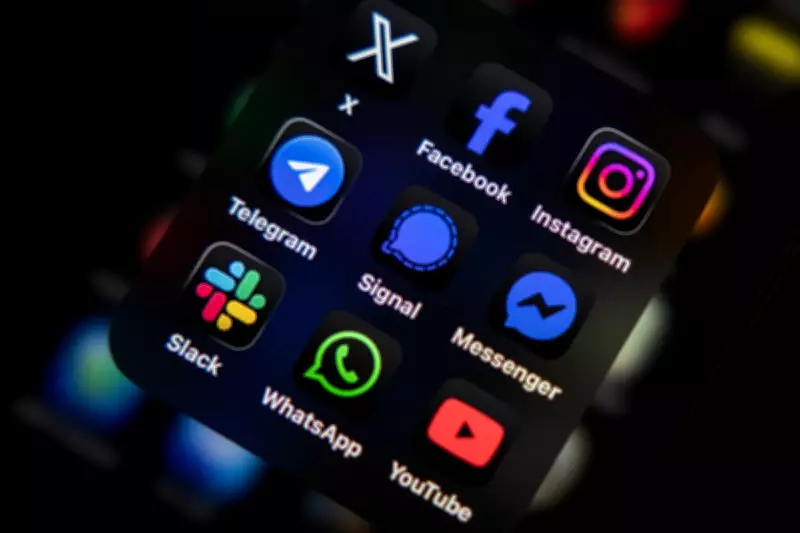
The primary motivation behind this unprecedented measure is to combat the rising levels of anxiety, sleep disturbances, and addictive behaviours linked to social media platforms. Government officials have expressed particular concern about the intentionally addictive design of many online platforms, which they believe disproportionately harms developing minds.
An ALCO opinion poll conducted in February revealed overwhelming public support for the initiative, with approximately 80 per cent of surveyed Greeks approving of such a ban. This strong backing has provided the government with a clear mandate to proceed with what is considered one of the most restrictive digital policies in Europe.

Leading a European Movement
Greece aims to position itself as a pioneer in digital child protection within the European Union. By implementing this ban, the government hopes to set a precedent and encourage broader EU-wide action on regulating social media access for minors. Prime Minister Mitsotakis has framed the policy as a necessary step to safeguard the mental wellbeing of the next generation.
The Greek initiative is part of a growing international trend. Australia already implemented a similar ban for under-16s last year, while several European nations including Slovenia, Britain, Austria, and Spain are actively considering comparable measures. This collective movement reflects increasing global awareness of the potential harms associated with unrestricted social media use among children and adolescents.
Implementation and Implications
While specific enforcement mechanisms have not been fully detailed, the ban represents a significant shift in how nations approach digital regulation for youth protection. The policy will require cooperation from social media platforms, internet service providers, and potentially involve age verification systems to ensure compliance.
Mental health advocates have welcomed the announcement, citing numerous studies linking excessive social media use to increased anxiety, depression, and sleep disorders in young people. However, some digital rights groups have raised concerns about potential overreach and the effectiveness of outright bans versus education-based approaches.
The coming years will see Greece developing the technical and legal framework to implement this ban, with the government committed to creating what it describes as a "safer digital environment" for the country's youth.