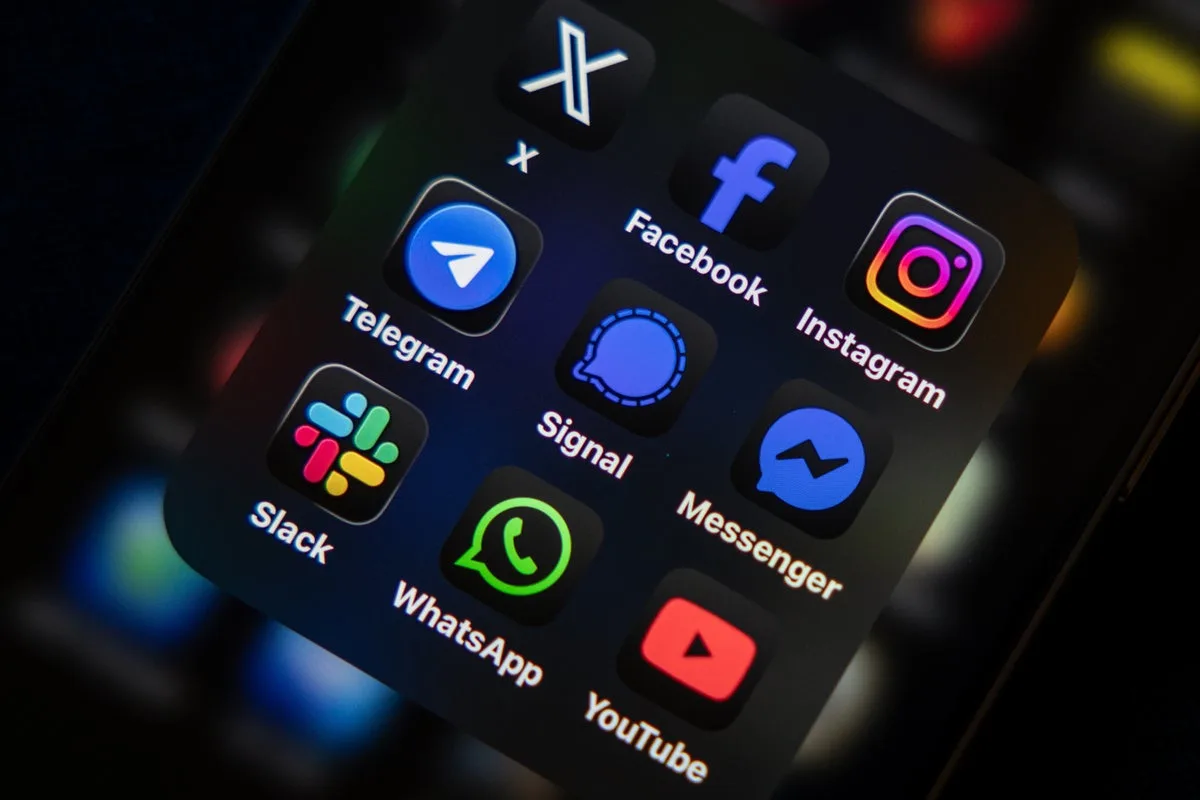
Karnataka, the southern Indian state home to tech hub Bengaluru, has become the first in India to ban social media for children under 16. Chief Minister Siddaramaiah announced the measure in his annual budget speech on Friday, citing the need to prevent adverse effects of increasing mobile usage on children.
The ban aligns with a global push for stricter regulation of minors' digital use. Australia became the first country to impose such a ban in December, and Indonesia announced similar restrictions on Friday. Britain, Denmark, and Greece are also studying the issue.
The Indian digital rights group Internet Freedom Foundation (IFF) warned that blanket bans can be disproportionate. In a post on X, IFF said such bans often fail to address root causes like platform design choices that maximise engagement over safety, and may restrict children's right to information and expression.

IFF also highlighted the risk of “gendered exclusion”, noting that in India, where girls already face barriers to digital access, a ban framed around protection could deny them connectivity altogether. Similar concerns were raised by Monash University law professor Paula Gerber regarding Australia's ban, particularly for marginalised teens.
The ban's specifics remain unclear, including which apps are targeted. Karnataka's neighbour Goa is considering a similar ban, and a lawmaker in Andhra Pradesh has proposed a bill. India's chief economic adviser has also called for age-based access limits to tackle “digital addiction”.
Critics argue that age-based curbs are easily bypassed with fake IDs and advocate for measures to promote healthy social media usage instead. Karnataka has a population of 67.6 million, with less than a quarter under 15, according to government surveys.