Russia Initiates Criminal Investigation Against Telegram Founder Pavel Durov
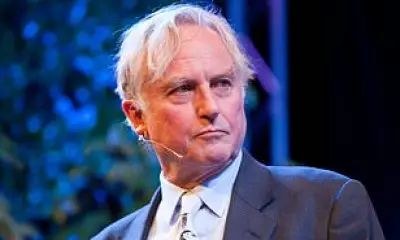
Russian authorities have launched a formal criminal investigation into Pavel Durov, the founder and chief executive of the popular messaging application Telegram. The probe centers on allegations of "facilitation of terrorist activities" under Article 205.1 of Russia's Criminal Code.
The state-run newspaper Rossiyskaya Gazeta reported the development, citing materials provided by Russia's Federal Security Service (FSB). Durov, who was not immediately available for comment, faces serious legal scrutiny as Telegram continues to refute Russian claims that the platform harbors criminal elements and is compromised by Western and Ukrainian intelligence agencies.
State-Backed App MAX Emerges as Preferred Alternative
This legal action unfolds against a backdrop of concerted efforts by Moscow to encourage Russian citizens to migrate from Telegram to a state-supported messaging application known as MAX. The MAX platform launched approximately one year ago and is being aggressively promoted as a domestic alternative.

Russia's state communications regulator has already imposed significant restrictions on Telegram, citing the company's alleged failure to remove extremist content. Critics argue these measures are part of a broader strategy to suppress foreign-based digital platforms, including Meta's WhatsApp and Apple's FaceTime, and compel adoption of MAX, which many fear could become a tool for state surveillance.
Military and Public Communication Concerns Mount
The potential impact of restricting Telegram has sparked considerable controversy, particularly regarding military operations and public safety. Last week, critics warned that curbs on the app could severely disrupt battlefield communications and hinder soldiers' ability to maintain contact with their families.
In a series of short video appeals, three men identifying themselves as members of a Russian anti-drone unit emphasized that Telegram is vital to their operational effectiveness. They urgently requested that regulators refrain from interfering with the service.
Sergei Mironov, leader of a pro-Kremlin parliamentary party, shared these appeals and expressed grave concern. "The guys are shedding blood there, they need normal communication, and besides Telegram, they often have nothing," he stated. "Don't deprive them of what helps them fight the enemy and keep themselves alive." In separate remarks to reporters, Mironov harshly criticized those responsible for degrading the app's performance.
Official Responses and Conflicting Narratives
Despite its acknowledged use by frontline troops, the Kremlin has expressed skepticism about Telegram's role in official military communications. Kremlin spokesman Dmitry Peskov told reporters, "I don't think it's possible to imagine frontline communications being provided via Telegram or some other messaging service." He directed further inquiries to the Ministry of Defence, which did not provide an immediate comment.
Concerns extend beyond the military sphere. Vyacheslav Gladkov, governor of the frequently targeted Belgorod region, voiced apprehension that app slowdowns could impede the delivery of critical safety announcements to residents. He encouraged people to register with the state's rival MAX system.
Pavel Durov has reaffirmed Telegram's commitment to protecting free speech and user privacy "no matter the pressure." Meanwhile, Peskov defended the communications watchdog's actions, stating, "We can only express regret here; there's nothing good about this, but the law must be followed."
The situation highlights a deepening conflict between digital autonomy and state control in Russia, with over 1 billion global Telegram users watching closely as legal and technological pressures intensify.