US Senators Demand Immediate Shutdown of ByteDance's Seedance AI App
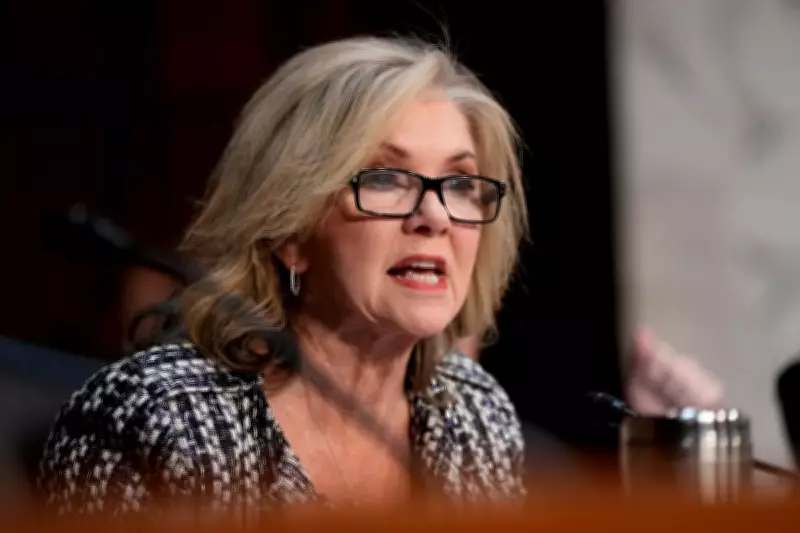
In a significant escalation of regulatory pressure, two prominent US senators have called for the immediate closure of ByteDance's new AI application, Seedance, citing what they describe as unprecedented copyright infringement concerns. Senators Marsha Blackburn, a Republican from Tennessee, and Peter Welch, a Democrat from Vermont, have jointly demanded that ByteDance CEO Liang Rubo shut down the controversial application and implement robust safeguards to prevent further violations.
The Copyright Infringement Allegations
The senators' letter, obtained by CNBC, characterizes Seedance as "the most glaring example of copyright infringement from a ByteDance product to date." They specifically highlighted several concerning examples of content generated by the AI application, including photorealistic renderings of actors Tom Cruise and Brad Pitt appearing together in a fictional film that does not exist. Other problematic outputs mentioned include generated scenes featuring Marvel Comics character Thanos battling DC Comics' iconic Superman, along with AI-created alternative endings for popular television series like Stranger Things.
In one particularly unusual example cited by the lawmakers, actor Will Smith was depicted fighting a monster constructed entirely from spaghetti. "Responsible global companies follow the law and respect core economic rights, including intellectual property and personal likeness protections," the senators emphasized in their strongly worded correspondence.

ByteDance's Response and Regulatory History
ByteDance has responded to the mounting pressure with a statement acknowledging the concerns while defending its commitment to intellectual property rights. "ByteDance respects intellectual property rights and we have heard the concerns regarding Seedance 2.0," the company told CNBC. "We are taking steps to strengthen current safeguards as we work to prevent the unauthorized use of intellectual property and likeness by users."
This controversy represents the latest in a series of regulatory challenges facing ByteDance in the United States. Earlier this year, the company was compelled to sell its majority control of TikTok to a consortium of American investors, including Oracle founder Larry Ellison and California-based investment firm Silver Lake, to avoid a potential ban of the popular social media platform in the US market.
Broader Industry Concerns and Regulatory Context
The Motion Picture Association has joined the chorus of concern regarding Seedance's capabilities, having sent its own cease-and-desist letter to ByteDance. According to reports from The Information, ByteDance has temporarily paused the global release of Seedance 2.0 amid the growing controversy.
This development occurs against a backdrop of increasing calls for regulation of generative AI technologies as they become more sophisticated and accessible. Earlier this year, Elon Musk's Grok AI faced widespread criticism when users on X began employing the application to alter photographs of women, often dressing them in revealing clothing without consent. While some targeted individuals were celebrities, others were private citizens who had not authorized such use of their images.
The regulatory landscape for AI remains complex and politically charged. In December, President Donald Trump issued an executive order that effectively froze regulatory efforts aimed at controlling AI development, arguing that excessive regulation could threaten American competitiveness in what he characterized as a critical national security domain. "United States AI companies must be free to innovate without cumbersome regulation," Trump declared in his executive order, which called for a national framework to protect both children and copyrights while preventing individual states from creating conflicting regulations.
As generative AI continues to advance at a rapid pace, the tension between innovation and protection of intellectual property rights appears destined to remain a central battleground in technology policy, with Seedance representing just the latest flashpoint in this ongoing debate.