Social Media Addiction Trial: Woman Testifies She Was Online 'All Day Long' as Child
Social Media Addiction Trial: Woman Testifies She Was Online All Day

Social Media Addiction Trial: Woman Testifies She Was Online 'All Day Long' as Child

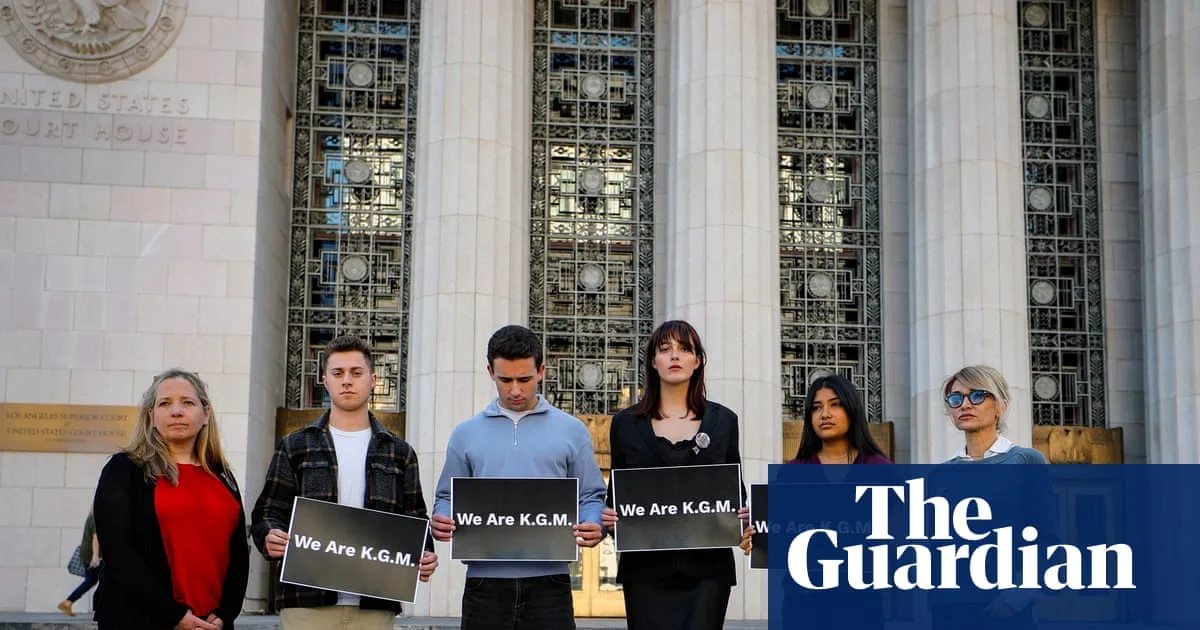
A 20-year-old woman, identified in court documents as KGM, took the stand on Thursday to testify about her childhood social media use, stating she was on platforms "all day long" in a landmark addiction trial. The case targets Meta and YouTube, with TikTok and Snap having already settled, and could set a precedent for thousands of similar lawsuits.

Early Exposure and Addiction Claims

KGM, referred to as Kaley by her lawyers, began using YouTube at age 6 and Instagram at age 9. She testified that her early use led to addiction, exacerbating depression and suicidal thoughts. Kaley described setting up multiple accounts to like and comment on her own posts, and even "buying" likes to appear popular. Notifications from Instagram and YouTube gave her a "rush," prompting her to check them during school hours, a habit she continues today.

"Anytime I tried to set limits for myself, it wouldn't work and I just couldn't get off," Kaley said, reflecting on her peak usage, which exceeded 16 hours in one day. She added, "I just felt like I wanted to be on it all the time, and if I wasn't on it, I felt like I was going to miss out on something."

Wide Pickt banner — collaborative shopping lists app for Telegram, phone mockup with grocery list

Home Life and Platform Defense

Both sides highlighted Kaley's turbulent home life in Chico, California, where she still lives with her mother. Her attorneys argued she was preyed upon as a vulnerable user, while Meta and YouTube's lawyers contended she used the platforms as a coping mechanism for mental health struggles. When questioned about claims of abuse or neglect, Kaley stated her mother "wasn't perfect, but she was trying her best," and she wouldn't label past actions as abuse today.

Meta's lawyer, Paul Schmidt, emphasized that Kaley faced challenges like emotional abuse and bullying before social media use, questioning whether the platforms were a substantial factor in her mental health issues. Kaley countered, saying negative feelings related to body dysmorphia began after she started using filters on Instagram.

Visual Evidence and Therapist Testimony

During the trial, Kaley's attorney, Mark Lanier, displayed childhood photos and unfurled a nearly 35-foot-long banner with her filtered Instagram posts. The jury viewed videos showing her scrolling on her phone at night and expressing joy over YouTube milestones, followed by self-criticism about her appearance. "I look so fat in this shirt," a young Kaley said in one video.

Former therapist Victoria Burke testified that Kaley's social media use and sense of self "were closely related," with platform activity able to "make or break her mood." In cross-examination, Meta's attorney noted Burke's records highlighted in-person bullying and family issues, with social media mentioned mainly as a place where Kaley felt seen.

Broader Implications and Tech Responses

This bellwether trial has drawn intense interest from advocacy groups and the tech industry, with high-profile testimony from Instagram head Adam Mosseri and Meta CEO Mark Zuckerberg. Zuckerberg stated he doesn't believe addiction applies to social media, arguing that people use valuable things more because they're useful. Mosseri similarly denied clinical addiction to platforms.

The outcome, expected in several weeks, could shape thousands of similar lawsuits. Meta also faces a separate trial in New Mexico, underscoring the growing legal scrutiny over social media's impact on children.

Pickt after-article banner — collaborative shopping lists app with family illustration