Social Media Executives Face Intense Parliamentary Scrutiny Over Online Safety
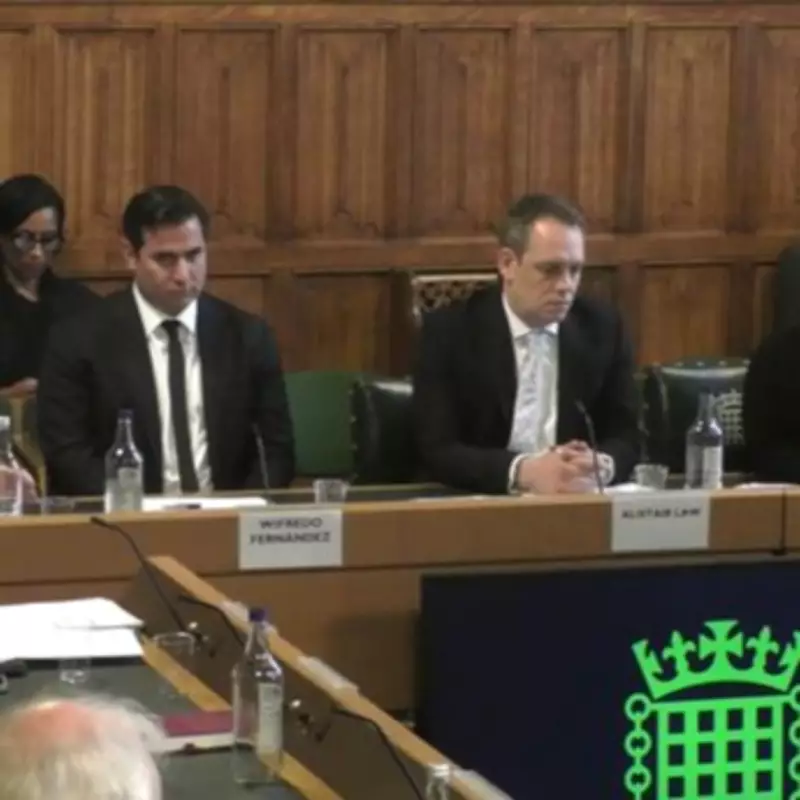
Senior executives from major social media platforms were subjected to a rigorous and critical questioning session by Members of Parliament this week, as concerns mount over the persistent failures to adequately protect users from harmful and dangerous content online. The parliamentary committee hearing, which lasted several hours, saw MPs from across the political spectrum express deep frustration and anger at what they described as systemic shortcomings in the platforms' safety mechanisms and moderation practices.
MPs Express Fury Over Inadequate Protections
During the intense session, MPs did not hold back in their criticism, accusing the social media bosses of prioritising profit over user safety and failing to implement robust measures to combat issues such as cyberbullying, hate speech, misinformation, and exploitation. One MP was quoted as saying that the platforms have become "breeding grounds for harm," with vulnerable individuals, including children and teenagers, being particularly at risk due to insufficient safeguards and slow response times to reports of abusive content.
The executives faced pointed questions about their companies' algorithms, content moderation policies, and transparency in handling user complaints. MPs highlighted numerous cases where harmful material had remained online for extended periods, despite being flagged by users, leading to real-world consequences including mental health crises and, in some instances, tragic outcomes. The hearing also touched on the platforms' role in spreading disinformation during elections and public health emergencies, with calls for greater accountability and independent oversight.

Calls for Stricter Regulations and Legal Reforms
In response to the executives' defences, which often cited ongoing improvements and investments in safety teams, MPs argued that self-regulation has proven ineffective and that legislative action is now imperative. There were strong demands for the government to expedite the implementation of the Online Safety Bill, with proposals to include stricter penalties for non-compliance, including substantial fines and potential criminal liability for senior management in cases of egregious failures.
The discussion also explored the need for international cooperation to address cross-border challenges, as harmful content often originates from outside the UK. MPs suggested that social media companies should be required to publish regular, detailed reports on their safety efforts and the outcomes of moderation actions, to ensure greater public scrutiny and trust. Additionally, there were calls for enhanced support for victims of online abuse, including better access to legal recourse and mental health services.
Industry Responses and Future Implications
The social media executives, while acknowledging areas for improvement, emphasised their commitment to user safety and outlined various initiatives underway, such as AI-driven content detection tools and partnerships with fact-checking organisations. However, MPs remained sceptical, noting that similar promises have been made in the past with little tangible progress. The hearing concluded with a consensus that without decisive regulatory intervention, the cycle of harm and inadequate responses is likely to continue.
This parliamentary scrutiny comes amid growing public pressure and media attention on the role of social media in society, with recent surveys indicating that a majority of Britons support stronger regulations to hold platforms accountable. The outcome of this hearing is expected to influence ongoing policy debates and could lead to significant changes in how social media is governed in the UK, potentially setting a precedent for other countries grappling with similar issues.