Social Media Promotion of Prescription Weight-Loss Jabs Deemed Illegal
The Advertising Standards Authority (ASA) has issued its first bans on Instagram, TikTok and Facebook posts created by members of the public promoting prescription-only weight-loss injections. The landmark rulings target posts that used discount codes and referral links to advertise medications including Mounjaro for online pharmacies Voy, Zava, MedExpress and the prescribing service UK Meds Direct.
Affiliate Marketing Schemes Under Scrutiny
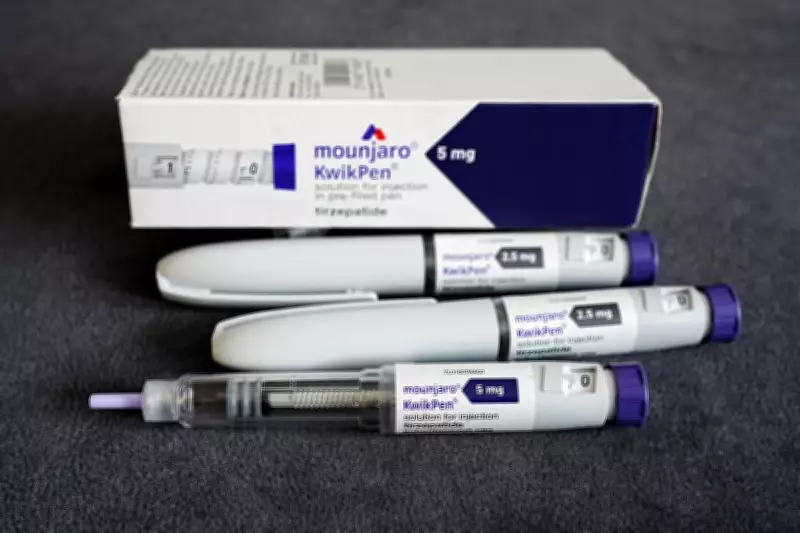
The banned content represented a concerning trend where individuals were effectively advertising powerful prescription medicines through personal social media accounts. These posts directly named medications, used related hashtags, displayed images of injection pens, and encouraged followers to begin their weight-loss "journey" while offering discounts or incentives.
"Affiliate or referral schemes typically allow individuals to share links or discount codes and give them a reward or other benefit if someone else uses them," explained the ASA. "In practice, this could mean members of the public promoting prescription-only medicines to friends, family, followers and the public, sometimes without realising that their posts may be ads or that strict rules apply to them."

Regulatory Responsibility Extends to Companies
The regulator emphasized that both brands and individuals bear responsibility for adhering to advertising regulations. Crucially, the ASA determined that posts containing affiliate or referral links still qualify as advertisements, even when appearing on personal social media accounts.
Although the companies involved had not directly requested the posts, the ASA found they controlled how their affiliate and referral schemes operated. This meant they shared responsibility for ensuring compliance with advertising rules prohibiting promotion of prescription-only medicines to the general public.
Serious Health Risks Highlighted
"Weight-loss prescription drugs are powerful medicines that should be used only under the supervision of a qualified medical professional," warned the ASA. "Promoting them irresponsibly and illegally can put people at serious risk, which is why this is a priority area for us."
Catherine Drewett, investigations manager at the ASA, stated: "Today's rulings send a clear message that affiliate marketing is not a loophole and that promoting prescription medicines through social media, whether as a brand, influencer or customer, is against the law and our rules. We'll continue to take swift action in this area to make sure the rules are followed and that people are protected from harmful and irresponsible ads."
Industry and Regulatory Response
A Voy spokeswoman responded: "The posts referenced in the ruling were made independently by customers of our service back in 2024 as part of a referral scheme for our weight-loss programme. These posts were first brought to our attention in June 2025, and since we have strengthened our controls around referral activity and influencer engagement."
Zava stated: "We are committed to being a responsible and compliant healthcare organisation that follows regulation and guidance from the ASA. While we were disappointed by the ruling, we note that we had no commercial or affiliate relationship with the social media users who created the posts in question."
Julian Beach, interim executive director of healthcare quality and access at the Medicines and Healthcare products Regulatory Agency (MHRA), welcomed the rulings: "Prescription-only weight-loss medicines carry real risks and must only be prescribed following a proper clinical assessment. The promotion of these medicines through affiliate schemes and social media circumvents important safeguards that exist to protect patients."
Dionne Spence, chief enforcement officer at the General Pharmaceutical Council (GPhC), added: "These rulings from the ASA send a clear message that online providers are responsible for making sure that advertising rules are followed, including when working with individuals through affiliate or referral schemes."

The coordinated regulatory action demonstrates increasing scrutiny of how prescription medications are marketed through social media channels, with particular focus on affiliate marketing schemes that potentially bypass traditional advertising restrictions.