The Splinternet Era: How Online Blackouts Are Gaining Traction
The concept of a splinternet, where the internet is fragmented into national or regional segments controlled by governments, is rapidly becoming a reality for millions globally. Recent events in Iran have starkly illustrated how plausible and impactful such blackouts now are, with far-reaching consequences for the internet as we know it.
Iran's Controlled Digital Environment
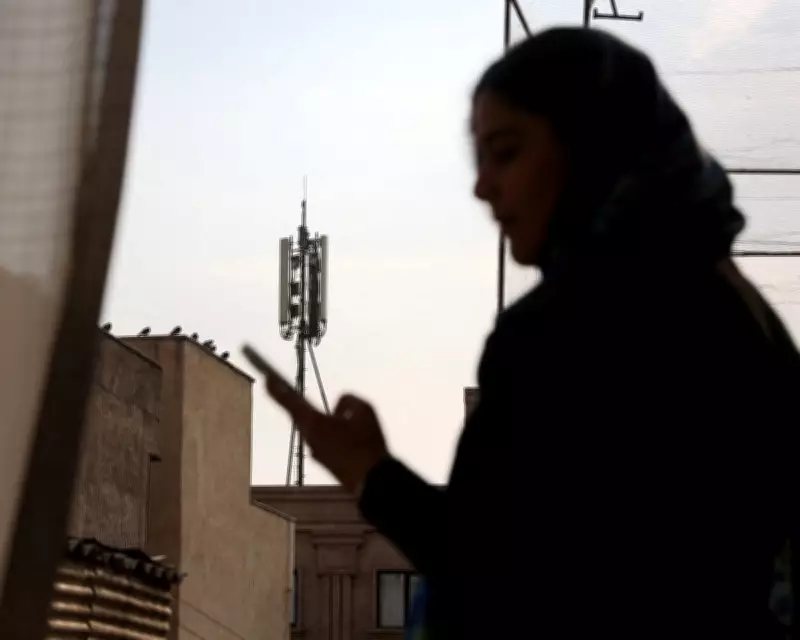
During the height of Iran's internet shutdown in January, citizens experienced a heavily restricted online world. They could message family on government-monitored apps, watch clips on local video-sharing sites, read state news, and use domestic navigation services. However, they were cut off from international headlines about violent crackdowns and could not share evidence of atrocities with the outside world. This scenario underscores how a splinternet operates, limiting access to global information and stifling free expression.
Global Trends in Internet Fragmentation
Iran is not alone in this trend. More than half of Russia's regions access only a government-approved version of the internet via mobile phones. China's "great firewall" blocks most global sites, including Google and the Guardian. Authorities in Myanmar, Afghanistan, and Pakistan have also experimented with targeted shutdowns. These actions highlight a growing movement towards nationalised digital spaces, where governments exert tight control over online content.

Historical Context and Shifting Dynamics
For nearly two decades, the United States supported global efforts to prevent such fragmentation by funding tools to circumvent censorship. This initiative, though imperfect, helped maintain the internet as a global commons where information was largely accessible worldwide. However, this foundation is now eroding. US funding has been cut or redirected, while censorship technologies from companies in China are being exported, enabling governments to fine-tune control over internet traffic.
Technological and Political Drivers
Censorship technologies are becoming more powerful and affordable, making it cheaper and easier for regimes to impose shutdowns. Iran's ability to cut off its internet was facilitated by years of nationalising infrastructure, allowing domestic authorities full access to data. Similarly, Russia has long aimed to create a cut-off internet, and other authoritarian regimes share this ambition. This trend is compounded by global pushes for sovereign data and AI, which, while understandable for data security, risk empowering despots if misused.
Implications for Digital Freedom
The stakes are high, as internet shutdowns often occur when governments seek to avoid scrutiny for human rights abuses. A former US official noted, "When governments want to not be scrutinised for how many people they're killing in their streets, they'll shut the internet down." Efforts to combat this include appeals to Europe to fund anti-censorship technologies, but it remains doubtful if the EU has the resources or will to act effectively.
Conclusion: A Fragile Information Environment
The information environment we rely on for shared facts and global connectivity is at risk. As splinternets become more feasible, the internet's role as a universal platform for ideas and evidence is threatened. Without renewed international commitment to digital freedoms, the world may see a rapid shift towards isolated, controlled online spaces, with profound implications for democracy and human rights.