Texas Woman Files Lawsuit Against Tesla Following Cybertruck Crash
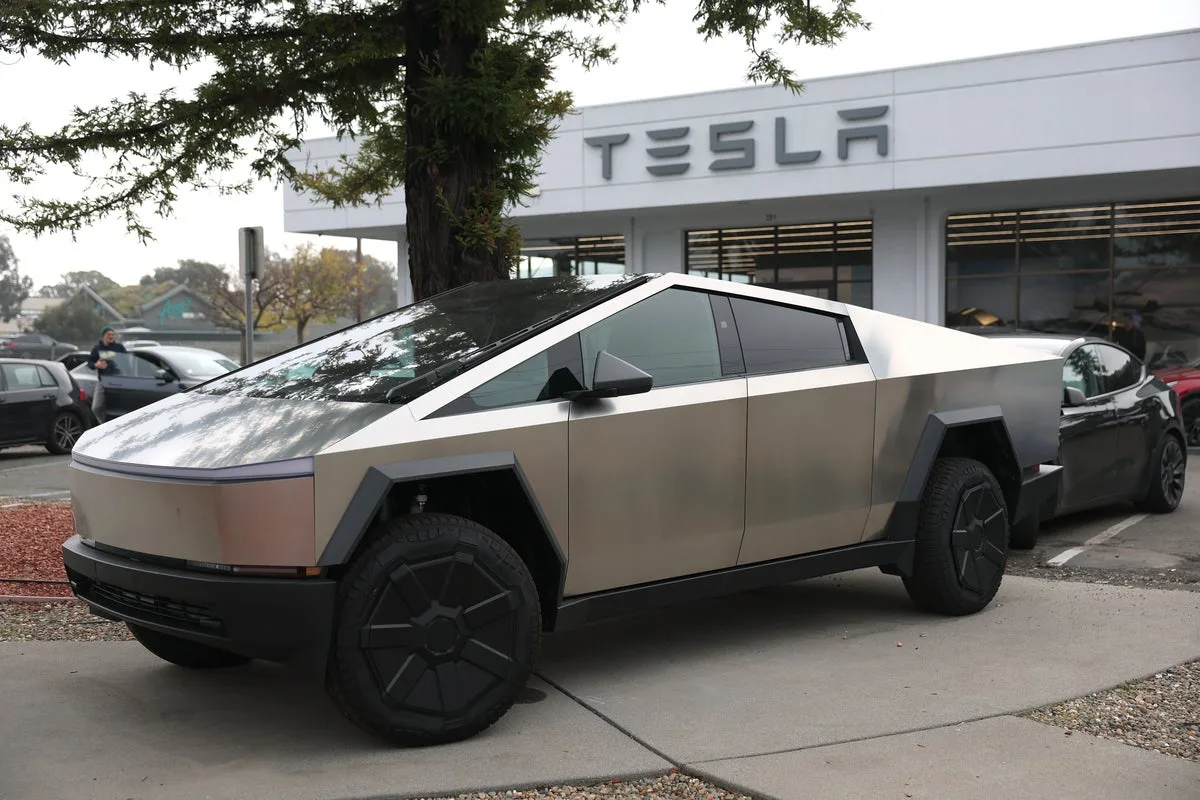
A Texas woman has initiated legal action against Tesla, accusing the company of negligence in retaining Elon Musk as its CEO. This lawsuit stems from a crash involving her Cybertruck, where the vehicle's Autopilot system allegedly malfunctioned, leading to a collision with a concrete barrier on a Houston overpass.
Details of the Incident and Legal Claims
According to the complaint filed in Harris County, Justine Saint Amour was operating her recently purchased Cybertruck on Interstate 69 in August of last year. The vehicle failed to navigate a right-hand curve on a Y-shaped overpass, and despite Amour's attempts to disable the self-driving mode, it continued toward and collided with a barrier. The suit seeks more than $1 million in damages for injuries sustained, asserting that Tesla misrepresented the safety and capabilities of its driver-assistance technology.
The lawsuit further describes Musk's involvement in the system's design as "reckless and dangerous" and accuses Tesla of overstating the reliability of its Autopilot features. It claims the company was negligent in "allowing Elon Musk to override the concerns of engineers at Tesla", alleging that he rejected recommendations for additional safety redundancies, such as LiDAR sensors, in favor of relying on "cheap video cameras".
Broader Allegations and Safety Concerns
Characterizing Musk as "an aggressive and irresponsible salesman, who has a long history of making dangerous design choices, and over-promising the features of his products", the complaint also highlights that the Cybertruck lacked an adequate backup braking system and that Tesla failed to provide sufficient warnings or instructions to prevent accidents.
This legal action adds to a series of lawsuits targeting Tesla over alleged safety issues, amid increasing scrutiny from federal regulators like the National Highway Traffic Safety Administration regarding its Full Self-Driving and Autopilot systems. The lawsuit raises concerns that Tesla might be using nondisclosure agreements to silence drivers about FSD failures, potentially hindering safety investigations.
Previous Cases and Regulatory Pressure
In August 2025, a Miami federal jury found Tesla liable for a 2019 crash that resulted in the death of a 22-year-old woman and injuries to her boyfriend in a Tesla Model S with Autopilot engaged. The jury assigned a third of the blame to Tesla, awarding $43 million in compensation and an additional $200 million in punitive damages, marking a significant legal victory against the company in an Autopilot-related wrongful death case. Tesla had reportedly rejected a $60 million settlement offer prior to the trial.
Additionally, in 2025, the family of a Houston man, Michael Sheehan, sued Tesla after he died when his Cybertruck caught fire following a crash into a ditch. The lawsuit described how Sheehan, 47, "burned to death at 5,000°F – a fire so hot his bones experienced thermal fracture". It claimed that once power was lost, it was impossible to open the electrically operated doors normally, with external handles failing and emergency manual releases being "unreasonably difficult to locate in an emergency".
Amour's attorney, Bob Hilliard, told the Houston Chronicle that the crash was "not an accident", but rather "a foreseeable result of choices Tesla made knowingly, repeatedly, and without regard for the people on the road". The case contributes to mounting legal and regulatory pressure on Tesla as questions persist about the safety of its autonomous-driving technology and its handling of consumer complaints.