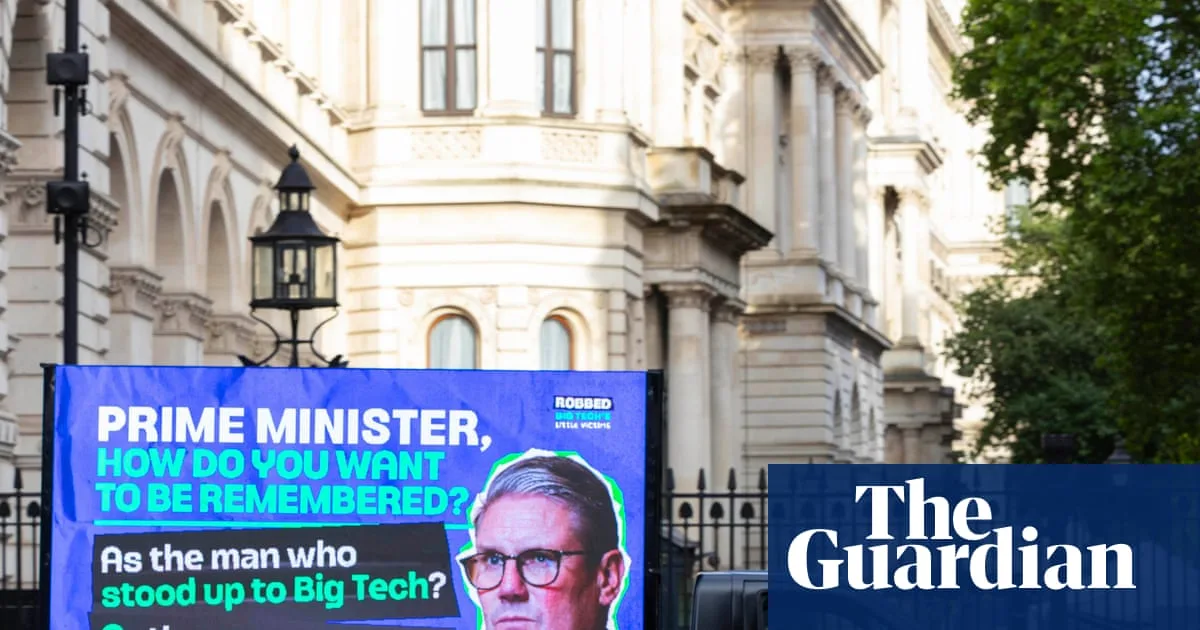
UK Government Considers Under-16 Social Media Ban Amid Safety Concerns
UK Considers Under-16 Social Media Ban for Child Safety

UK Government Explores Under-16 Social Media Ban to Enhance Child Safety

Ministers are actively considering the imposition of an under-16 age restriction on social media platforms, alongside other measures to limit app usage among teenagers. This move comes as pressure mounts for stricter regulations to protect children from online harms.

Keir Starmer's Firm Stance with Tech Leaders

Prime Minister Keir Starmer has delivered a stark message to social media executives, stating that "things can’t go on like this" during a recent meeting at Downing Street. He emphasized that social media is currently putting children at risk and called for immediate, tangible changes from companies to enhance safety. Starmer highlighted that restricting access is preferable to allowing harm as a condition of participation, urging tech firms to demonstrate more initiative in safeguarding young users.

Current Measures and Regulatory Framework

Social media companies, including Meta, Google, TikTok, X, and Snap, have implemented various child safety features in recent years. These include Meta's teen accounts for Instagram users under 18 and TikTok's family pairing tools for parental controls. Additionally, these platforms must comply with the UK's Online Safety Act, which mandates the suppression of harmful content such as violence, hate speech, and abuse, while completely banning material related to pornography, self-harm, suicide, and eating disorders from children's feeds.

Wide Pickt banner — collaborative shopping lists app for Telegram, phone mockup with grocery list

Government Consultation and Legislative Efforts

The UK government is currently consulting on whether to establish a formal minimum age of at least 16 for social media use, with most apps currently setting the bar at 13. The consultation, which has garnered 47,000 responses and closes on 26 May, also explores age restrictions for addictive app features like infinite scrolling, autoplaying videos, and push notifications. Ministers have pledged "swift action" based on the findings. In parallel, the House of Lords is attempting to push through a ban via an amendment to an education bill, though it has been rejected twice by MPs, with Conservative peer John Nash vowing to reinstate it.

Political Dynamics and International Influences

Starmer has previously expressed skepticism about an outright ban, citing concerns that it might drive teenagers to the dark web or leave them unprepared for responsible social media use at 16. However, Australia's implementation of a similar ban late last year has shifted the political landscape, prompting over 60 Labour MPs and some cabinet ministers to advocate for the UK to follow suit. Starmer has managed to temper potential rebellion by launching the consultation, with many expecting him to eventually support an under-16 ban given growing party consensus.

Campaigner Perspectives and Advocacy

Campaigners offer mixed views on the proposed ban. The Molly Rose Foundation, an online safety charity founded by the family of Molly Russell, argues that a ban risks penalizing children for tech companies' failures and instead calls for stronger platform safety measures and enhancements to the Online Safety Act. Conversely, Esther Ghey, mother of murdered teenager Brianna Ghey, advocates for smartphones with social media restrictions for under-16s, a proposal endorsed by England's children's commissioner, Rachel de Souza.

Pickt after-article banner — collaborative shopping lists app with family illustration