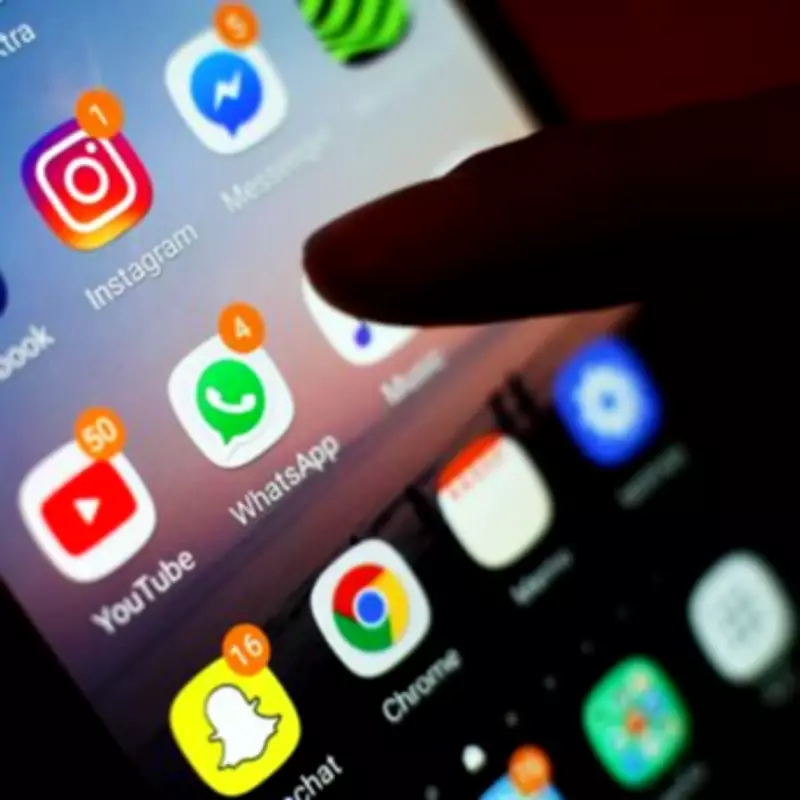
The UK government is actively considering the implementation of social media bans or overnight curfews specifically targeted at children under a certain age. These measures are part of a broader initiative aimed at safeguarding young users online and ensuring they experience what officials describe as 'the childhood they deserve'. However, parents have raised significant concerns, warning that such plans could prove 'dangerous' and potentially leave British children at a disadvantage compared to their international peers.
Consultation on Online Safety Measures
The proposals have emerged from a comprehensive consultation launched by the Department for Science, Innovation and Technology, engaging both parents and young people. This consultation was initiated in response to growing calls to strengthen existing online safety legislation, with many campaigners and families arguing that the current Online Safety Act does not provide adequate protection for children navigating the digital landscape.
Potential Regulatory Changes
The consultation is expected to explore several key areas, including whether social media platforms should be mandated to disable addictive features that contribute to late-night usage among children. These features include infinite scrolling mechanisms and autoplay functions on video content, which are designed to maximize user engagement but can negatively impact sleep patterns and overall well-being.

Additionally, the government will examine the possibility of restricting children's access to AI chatbots as part of these enhanced safety measures. Technology Secretary Liz Kendall, alongside Prime Minister Sir Keir Starmer, has committed to implementing legal changes based on the consultation's findings, potentially as early as this summer.
Parental Perspectives and Concerns
Despite the government's intentions, many parents express skepticism about the effectiveness of outright bans. One parent shared their evolving viewpoint, stating, 'I've reconsidered my position since having my own child and a nearly 10-year-old stepson. While some tech-savvy parents effectively guide their children, many are unaware of their kids' social media activities.'
This parent suggested a graduated approach: 'Perhaps a ban for under-13s, then limited access to certain apps for ages 13-16. Eighteen seems excessive, especially since 16-year-olds can vote. They should engage in online discourse while learning about fake news and AI through proper guidance.'
Another parent found the curfew proposal more reasonable, commenting, 'A curfew sounds solid regardless of age. I support social media access from age 14, when children have some self-preservation but still listen to parents. Eighteen feels too old, and 16-year-olds might act recklessly without prior safety education.'
Implementation and Legislative Process
Separate versions of the survey will be distributed to adults and to children and young people, with the consultation scheduled to close on May 26. Following this, ministers aim to make definitive decisions regarding bans or curfews during the summer months.
To facilitate swift action, the government is preparing special powers that would enable rapid legal adjustments, bypassing the lengthy parliamentary process that characterized the enactment of the Online Safety Act. However, these 'Henry VIII powers' have historically faced criticism for potentially allowing ministers to evade parliamentary scrutiny.
Broader National Conversation
Alongside the formal consultation, the government plans to initiate a 'national conversation' on online safety. This will encompass community events, discussions led by MPs in their constituencies, and engagement programs within schools. An academic panel will also be established to analyze evidence from jurisdictions like Australia, which has already implemented a ban prohibiting under-16s from using major social media platforms.
As the debate continues, the central challenge remains balancing child protection with the need to equip young people with the digital literacy skills necessary to navigate an increasingly connected world responsibly.