Argentine Youth Adopt Animal Identities in Viral Social Media Phenomenon
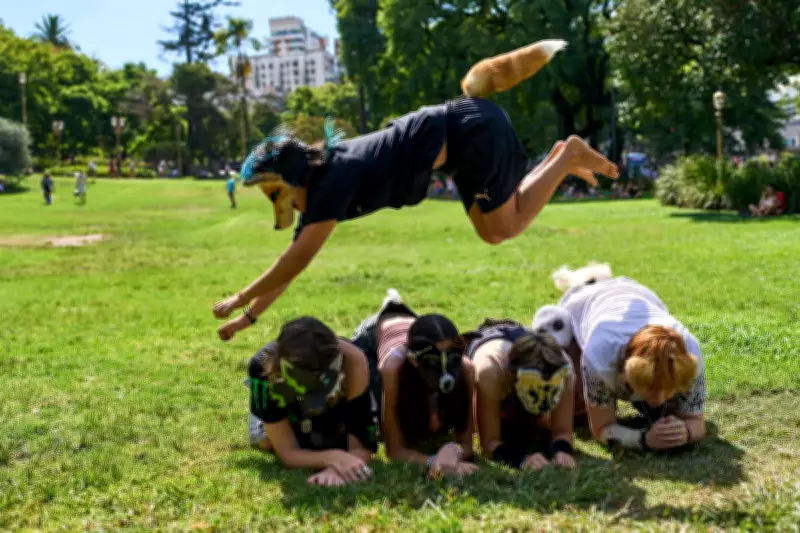
In a striking display of self-expression, teenagers across Argentina are flocking to parks in Buenos Aires to dress and behave as non-human animals, sparking widespread attention and debate. This viral trend, known as "therianism," involves individuals who identify mentally, spiritually, or psychologically with animals, and it has rapidly gained momentum on platforms like TikTok, where the hashtag #therian has amassed over 2 million posts, with Argentina leading engagement in Latin America.
Park Gatherings Transform into Animalistic Enclaves
On a recent Sunday, a plaza in Buenos Aires was transformed into a makeshift wilderness, hosting a unique assembly of adolescents. Participants, such as Sofía wearing a realistic beagle mask, were seen running on all fours across the grass, while 15-year-old Aguara, who identifies as a Belgian Malinois dog, showcased agile leaps through an obstacle course. Others, dressed as cats and foxes, perched in tree branches, maintaining a cautious distance from curious onlookers. These gatherings, organized by leaders like Aguara, who boasts more than 125,000 TikTok followers, have become regular events in the capital, drawing both fascination and scrutiny from the public and media.
Understanding the Therian Movement and Its Appeal
The therian trend encompasses various branches, including "otherpaw" participants like 16-year-old Aru, who wore a seal mask and explained that for some, it is about playful expression rather than deep identification. Aru attributes the movement's popularity in Argentina to the country's "fairly free" environment, which allows for such unconventional activities. For many young Argentines, this community offers a sense of acceptance and belonging, providing a space where they can explore identities beyond traditional human norms without judgment.

Psychological Perspectives on Animal Identification
As the phenomenon gains traction, psychologists are stepping in to analyze its implications. Débora Pedace, a psychologist and director of the Integral Therapeutic Center in Buenos Aires, noted that the trend elicits a complex mix of reactions, from confusion and laughter to outright anger. From a psychological standpoint, Pedace described it as a symbolic identification with animals, emphasizing that it becomes concerning only when it evolves into a deeply rooted belief, potentially leading to self-harm or harm to others. This analysis highlights the fine line between harmless expression and pathological behavior, urging a nuanced understanding of the movement's impact on adolescent development.
Social Media Influence and Public Reaction
The surge in therian activity has not gone unnoticed, with influencers and media outlets amplifying the trend across Argentina. While some reactions are lighthearted or bewildered, others express anger or concern, reflecting broader societal debates about identity and normality. The movement's visibility on TikTok and other platforms has fueled its growth, making it a focal point for discussions on youth culture and digital influence in contemporary Argentina.
As this viral phenomenon continues to unfold, it raises questions about the boundaries of self-identity and the role of community in shaping adolescent experiences, with experts and the public alike watching closely to see how it evolves in the coming months.