Resident Evil at 30: How Capcom's Horror Opus Has Survived and Thrived
To many gamers and journalists in the 1990s, Resident Evil seemed to emerge from nowhere. The era was dominated by slick arcade conversions like Daytona and Tekken on PlayStation and Saturn consoles, with Capcom stuck in a rut of coin-op ports and endless sequels to Street Fighter and Mega Man. Scary games were rare, mostly confined to PCs, so when news of a horror title named Biohazard surfaced in 1995, it caught attention as radically out of step with trends. Games typically focused on power, but early demos revealed Resident Evil was about vulnerability.
Thirty years later, the series remains a powerhouse, having sold more than 180 million copies worldwide. It includes 11 core titles, dozens of spinoffs and remakes, and film, television, and anime tie-ins. Its characters and monsters are icons, with tropes embedded in game design practice. What has allowed it to not only survive but flourish in a rapidly changing industry? Why do we still let it scare us?
The Origins: From Sweet Home to Horror Innovation
Resident Evil did not spring from nowhere; it had a clear source. In 1989, Capcom released Sweet Home, a role-playing game on the Famicom, about film-makers searching a haunted mansion for artefacts. It was a modest success in Japan but never released internationally. Senior producer Tokuro Fujiwara, who directed Sweet Home, believed horror could become its own genre and sought to revisit it with better technology.

Alex Aniel, author of the acclaimed Resident Evil history book Itchy, Tasty, explains, "We have Tokuro Fujiwara to thank for the existence of Resident Evil. He wasn't satisfied with Sweet Home's rudimentary portrayal and wanted to give horror another try once technology allowed—that opportunity came with the original PlayStation." In 1993, young producer Shinji Mikami oversaw a horror project inspired by Sweet Home, drawing from George A. Romero's Dead trilogy and the 1992 game Alone in the Dark.
Gameplay Evolution: Vulnerability and Tension
The original plan for real-time 3D visuals was scrapped due to PlayStation limitations, leading to a compromise: 3D characters with prerendered 2D backgrounds and fixed camera angles. This expressionistic style emphasised claustrophobia, with blind corners and shadowy doorways keeping information from players. Even as the series evolved—adopting over-the-shoulder views in Resident Evil 4 and first-person perspectives in Resident Evil 7—characters remained vulnerable through rationed ammo, save points, and restricted inventories.
This focus on tension and omission makes Resident Evil operate like classic horror rather than a power fantasy. Characters are victims navigating peril with limited tools, making victories emotional. The series expertly references horror conventions, with influences from Alien and Aliens, as seen in Resident Evil 2's G-virus parasites, and The Texas Chainsaw Massacre, reflected in settings like diseased villages and cannibalistic families.
Cultural Resonance and Genre Fluidity
Resident Evil flits between horror genres, avoiding obsolescence by keeping pace with cultural mores. It blends gothic horror in crumbling mansions, sci-fi horror in biological experiments, and folk horror in sinister villages and cults. This spectrum covers human fears from monsters to bodily degradation, allowing the series to mirror societal anxieties. Bernard Perron, a professor at the University of Montreal, notes, "The Covid pandemic reminded us of real virus fears. The fear of corrupt corporations like Umbrella and mad scientists continues to resonate in posthumanist societies."
Characters and Narrative Depth
Like great horror franchises such as Scream and Halloween, Resident Evil features strong returning characters like Jill Valentine, Claire Redfield, and Leon Kennedy, who are relatable yet cool, spouting wry jokes. Players know they'll face charismatic antagonists such as Albert Wesker and Lady Dimitrescu, with conspiracies reaching the top. The series often explores class-based horror through aristocratic villains, adding narrative layers.

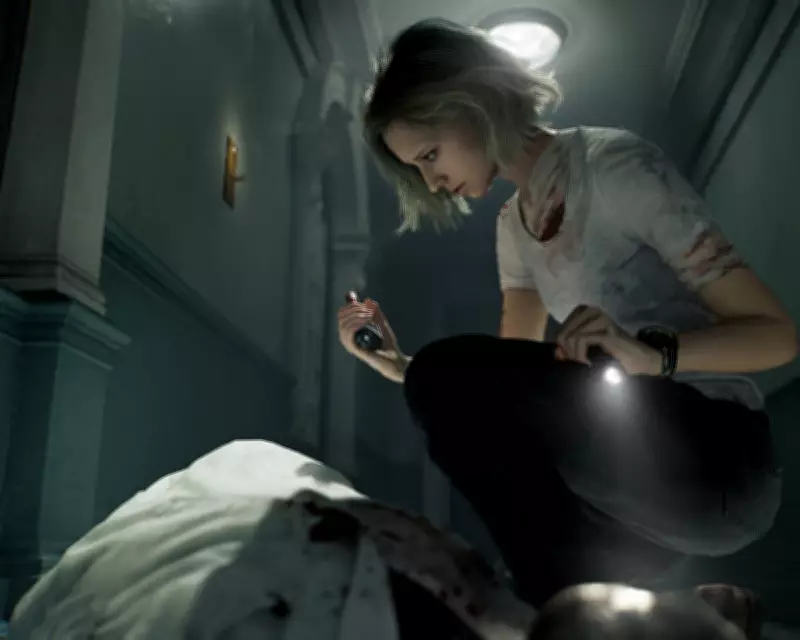
In the latest incarnation, Resident Evil Requiem, rookie FBI agent Grace Ashcroft explores before facing peril, drawing players in carefully. Alex Aniel adds, "The series offers deep gameplay with a low barrier to entry, available on every major platform and often on sale, making it accessible globally." Pacing and structure also play roles, with clear delineations between exploration, puzzle-solving, and combat, plus safe spaces like Save Rooms for respite.
Uncertainty and Lasting Appeal
Resident Evil thrives on uncertainty—around any corner could be a shock or nothing, allowing players to project their own fears. It constantly plays tricks, undermining reality, and encourages discovery of new anxieties. As with all great horror, it survives by looking us in the eye and saying, "I know what scares you. Come and see." This blend of innovation, cultural reflection, and emotional engagement ensures its enduring legacy in the gaming world.