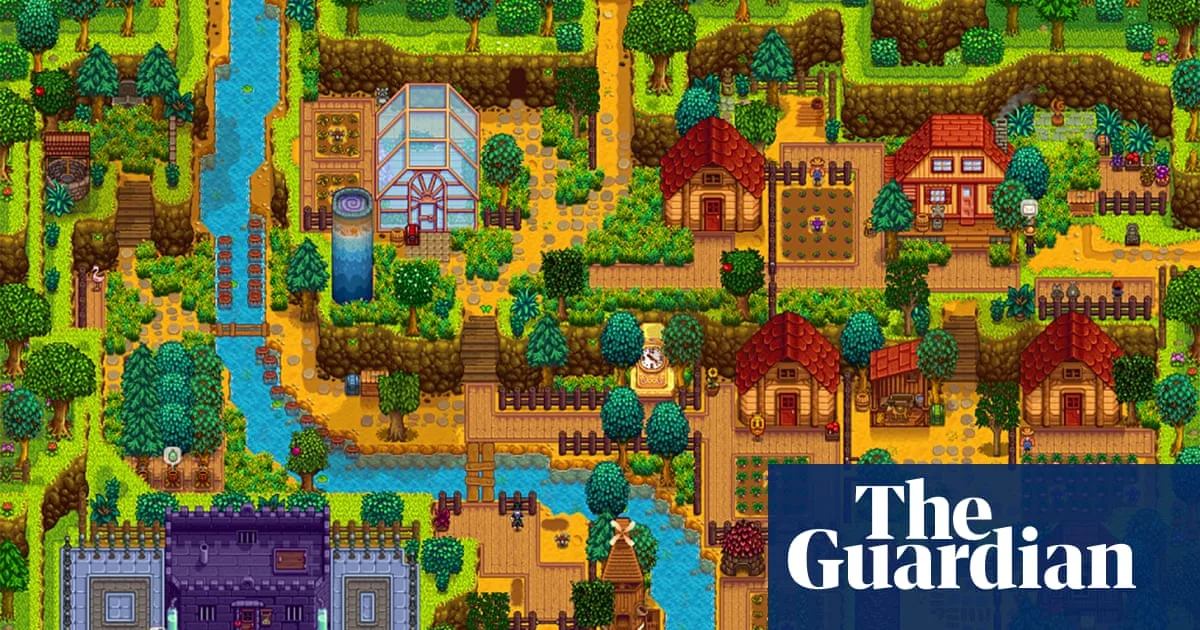
As Stardew Valley marks its 10th anniversary, this beloved farming simulation game has transcended its indie roots to become a global cultural touchstone. Created by solo developer Eric Barone, also known as ConcernedApe, the game offers players a peaceful escape from the pressures of modern life, set in the idyllic rural town of Stardew Valley.
An Anti-Capitalist Oasis in Gaming
At its core, Stardew Valley presents a compelling critique of capitalist systems. Players inherit a dilapidated farm from their grandfather, leaving behind a soul-crushing job at the Joja Corporation, a fictional mega-corporation symbolising corporate greed and exploitation. This narrative encourages players to reject corporate drudgery in favour of a simpler, self-sufficient lifestyle centred on farming, crafting, and community building.
The game's mechanics reinforce this anti-capitalist ethos. Instead of focusing on profit maximisation, players are rewarded for sustainable practices, such as crop rotation, animal welfare, and environmental stewardship. Community centre restoration projects, which involve collecting local resources rather than purchasing from Joja, highlight the value of cooperation over competition. This design has resonated deeply with players seeking alternatives to the relentless grind of contemporary work culture.
Healing Burnout Through Virtual Farming
Stardew Valley has gained acclaim for its therapeutic qualities, particularly in addressing burnout and mental health struggles. The game's relaxed pace, absence of time pressures, and open-ended gameplay allow players to unwind and find solace in routine tasks like planting seeds, fishing, or mining. Many users report that the game provides a meditative escape, reducing stress and anxiety by offering a sense of control and accomplishment in a low-stakes environment.
This healing aspect is bolstered by the game's emphasis on social connections. Players can befriend townsfolk, participate in seasonal festivals, and even pursue romantic relationships, fostering a sense of belonging and emotional support. For those grappling with isolation or exhaustion, Stardew Valley serves as a digital sanctuary where they can recharge and rediscover joy in simple pleasures.
Inspiring a Wave of Queer Art and Representation
Beyond its anti-capitalist themes, Stardew Valley has become a catalyst for queer art and expression. The game features inclusive character options, allowing players to customise their avatar's gender and pursue same-sex relationships without stigma. This representation has empowered LGBTQ+ communities, inspiring a vibrant outpouring of fan art, fan fiction, and mods that explore queer narratives and identities.
Artists and creators have drawn inspiration from the game's diverse cast, such as the non-binary character Robin or the openly gay characters like Alex and Haley. These elements have fostered a supportive online community where queer players share their stories and artworks, using Stardew Valley as a canvas for self-expression and visibility. The game's modding community has further expanded this, with user-created content adding new queer storylines and characters, enriching the game's world with diverse perspectives.
Legacy and Impact Over a Decade
Over the past 10 years, Stardew Valley has sold millions of copies worldwide, influencing both the gaming industry and broader cultural conversations. Its success has demonstrated the demand for games that prioritise empathy, sustainability, and inclusivity over traditional action-packed or profit-driven models. The game has also inspired other developers to explore similar themes in titles like Animal Crossing and Spiritfarer.
As it enters its second decade, Stardew Valley continues to evolve with updates from Barone, including new content and features that keep the community engaged. Its enduring popularity underscores a growing desire for media that challenges societal norms and offers meaningful, restorative experiences. Whether as a tool for mental wellness, a platform for queer creativity, or a gentle critique of capitalism, Stardew Valley remains a testament to the power of indie gaming to inspire change and connection.