The Zen of Virtual Power-Washing: A Deep Dive into Simulator Games
During my university years, I had a friend with an unusual pastime: he spent hours playing a hunting simulation game on his computer. This so-called "game" involved sitting in digital underbrush, waiting endlessly for a deer to appear in the gun sights—so long that it included a built-in noughts and crosses feature to pass the time. At the time, we laughed at the absurdity of a game so dull it needed another game within it. Yet, simulator games have since exploded in popularity, defying expectations with their mundane appeal.
The Booming Market of Boredom
The global simulation games market was valued at an estimated $4.86 billion in 2020 and is projected to reach about $21 billion by 2030. This growth isn't driven by vibrant titles like The Sims or Stardew Valley, but by games that are intentionally, almost outlandishly, dull. From Farming Simulator to Euro Truck Simulator, where players drive heavy goods vehicles across Europe, to flight simulators that replicate real-time commercial piloting, these games thrive on simplicity and repetition.
As a writer of narrative point-and-click video games, I've observed this trend with a mix of curiosity and bewilderment. What draws people to these experiences? To find out, I embarked on a week-long journey with PowerWash Simulator, a game that epitomises the genre's appeal through its focus on cleaning virtual surfaces.

My Immersion in PowerWash Simulator
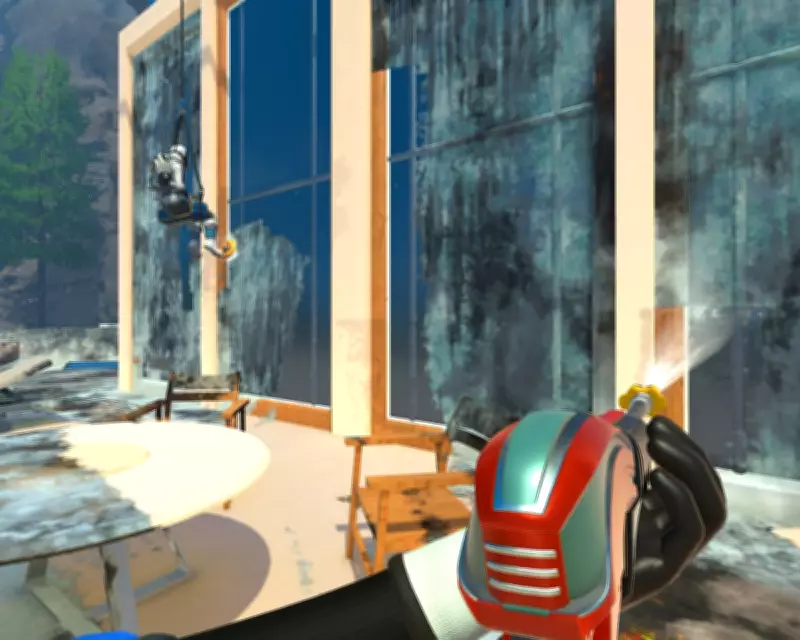
In PowerWash Simulator, you assume the role of a power-washing company owner, starting with cleaning your own van—purchased cheaply at auction due to its dirtiness. The gameplay involves selecting nozzles, crawling into tight spaces, and watching a percentage dial track your progress as you achieve milestones like "indicator clean" or "hubcap clean." Over two hours, with the TV humming in the background, I restored a neglected playground, finding the process oddly meditative.
This experience mirrored a real-life moment years ago when, heartbroken, my mother suggested I power-wash her patio instead of crying in the kitchen. I did, and it offered a strange satisfaction—a tangible result in a world that felt chaotic. Similarly, the game provides a low-stakes environment where completing pointless tasks becomes calming and absorbing, much like a colouring book for type-A personalities.
The Psychological Pull of Mundane Tasks
Despite my initial skepticism, I found myself engrossed in PowerWash Simulator. There's a peculiar thrill in achieving 100% cleanliness on a virtual dirt bike or unlocking new cleaning fluid options. Yet, this absorption left me feeling somewhat grubby, questioning whether such games are a healthy way to self-soothe. Alternatives like spending time in nature, taking a bath, or playing more dynamic games might offer better-adjusted relief.
When I revisited my university friend, he explained his fascination: "There's something very appealing about a world realised in micro detail. There is beauty in the mundane, in the hyper-realised world of simply waiting for something to happen, rather than it constantly happening. It encourages a paying of attention." His insight, both smart and true, challenged my mockery and highlighted a deeper truth.
Reflections on Attention and Choice
Ultimately, simulator games like PowerWash Simulator teach us about the satisfaction of paying close attention to something, no matter how trivial. In a fast-paced world, they offer a respite from constant stimulation, encouraging mindfulness in mundane activities. However, it's crucial to be selective about what we choose to focus on. While these games can be surprisingly absorbing, they remind us to balance virtual tasks with real-world experiences that nurture our well-being.
In the end, my week with a virtual power-washer revealed that the appeal of simulator games lies in their ability to transform boredom into a form of zen, but it's a lesson that calls for mindful engagement in both gaming and life.