Bill Nye Condemns Trump's Proposed NASA Budget Cuts
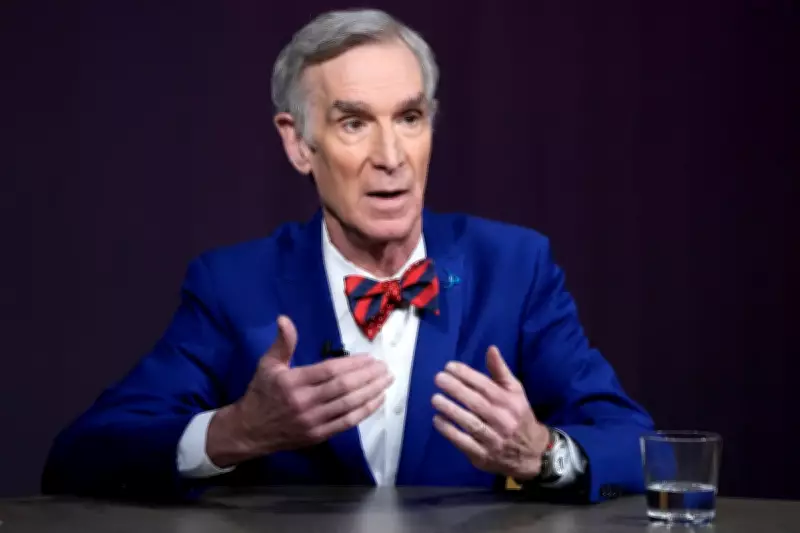
Renowned science communicator Bill Nye has launched a scathing critique of the Trump administration's planned deep cuts to NASA's budget, describing the proposals as "surprising, illogical, and very troubling" in a new opinion piece. The educator's comments come as the White House Office of Management and Budget prepares to implement substantial reductions that would dramatically reshape America's space agency.
Devastating Impact on NASA Missions
The proposed budget adjustments would have far-reaching consequences for NASA's scientific endeavours. According to detailed plans, the cuts would terminate 53 planned or ongoing NASA Science missions, representing a staggering $13 billion reduction in funding. This financial blow would effectively halt development on the majority of NASA's scheduled scientific projects, severely limiting the agency's capacity for exploration and discovery.
Nye emphasised the human cost of these decisions, stating that "these cuts would be an insult to our astronauts and entire NASA workforce." He praised NASA employees as civil servants who "work hard, accomplish nearly impossible things and represent our country to the world." The science educator argued that the agency represents more than just a government department—it embodies American ambition and curiosity.

Broader Implications Beyond Space Exploration
The budgetary reductions extend beyond NASA's core exploration missions, targeting the agency's educational outreach programs. These STEM initiatives, designed to inspire future generations of scientists and engineers, face significant cutbacks that could damage America's technological talent pipeline for decades to come.
To contextualise the financial scale of these cuts, retired Marine Colonel Mark Cancian of the Center for Strategic and International Studies provided a striking comparison. He noted that the first 40 days of the recent conflict in Iran cost the United States approximately $28 billion when accounting for munitions, base damage, and aircraft losses. This figure highlights how relatively modest NASA's budget appears in comparison to military expenditures.
The Geopolitical Stakes: China's Space Ambitions
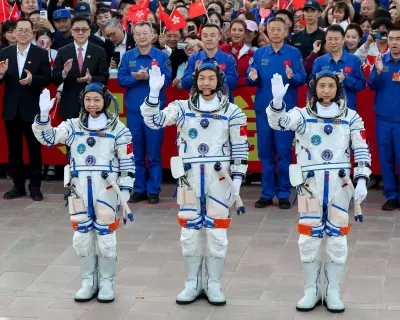
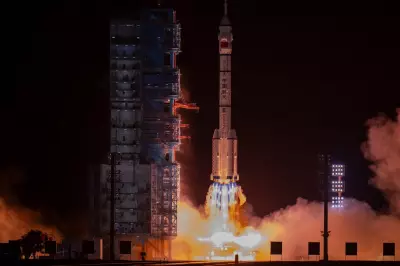
Nye presented a compelling geopolitical argument for maintaining NASA funding, pointing to China's accelerating space program. Beijing has announced plans for a crewed moonwalk by 2030, creating what Nye characterises as a new space race for American leadership.
"If the race is on, why abandon so much? Why cede the lead?" Nye questioned in his editorial. "The U.S. cannot be first in space if it is second in science and technology." He warned that reducing NASA's capabilities would essentially surrender American dominance in space science to China and other competing nations.
NASA's Cultural and Scientific Significance
Beyond practical considerations, Nye celebrated NASA's unique position in American culture and global perception. He described the agency as "the best brand our nation has" and a "unique part of the American story." When people worldwide imagine the United States at its most inspirational, Nye argued, they envision astronauts exploring the moon, telescopes revealing cosmic mysteries, and spacecraft making groundbreaking discoveries on distant worlds.
"NASA is who we are when we're curious, bold and united," he wrote, emphasising the agency's role in fostering national identity and promoting scientific curiosity.
Organised Opposition and Future Prospects
In response to the proposed cuts, Nye announced the formation of the "Save NASA Science" campaign, with a major rally scheduled for April 20 in Washington, D.C. Supporters are encouraged to participate either in person or through online platforms to demonstrate public opposition to the budgetary reductions.

The science educator issued a stark warning about the long-term consequences of defunding NASA's scientific missions: "Cutting science would not just delay discovery; it would destroy it. It would shatter our STEM talent pipeline. It would abandon our international partners." As the debate over NASA's future intensifies, Nye's critique highlights the profound stakes involved in decisions about America's space program and scientific priorities.