Millions of UK households are facing a potential television blackout as traditional terrestrial services, including Freeview, come under serious threat. A new report commissioned by Sky suggests that a full transition to internet-delivered TV could be achieved by the mid-2030s, potentially rendering over-the-air broadcasts obsolete.
The Shift to Streaming and Its Implications
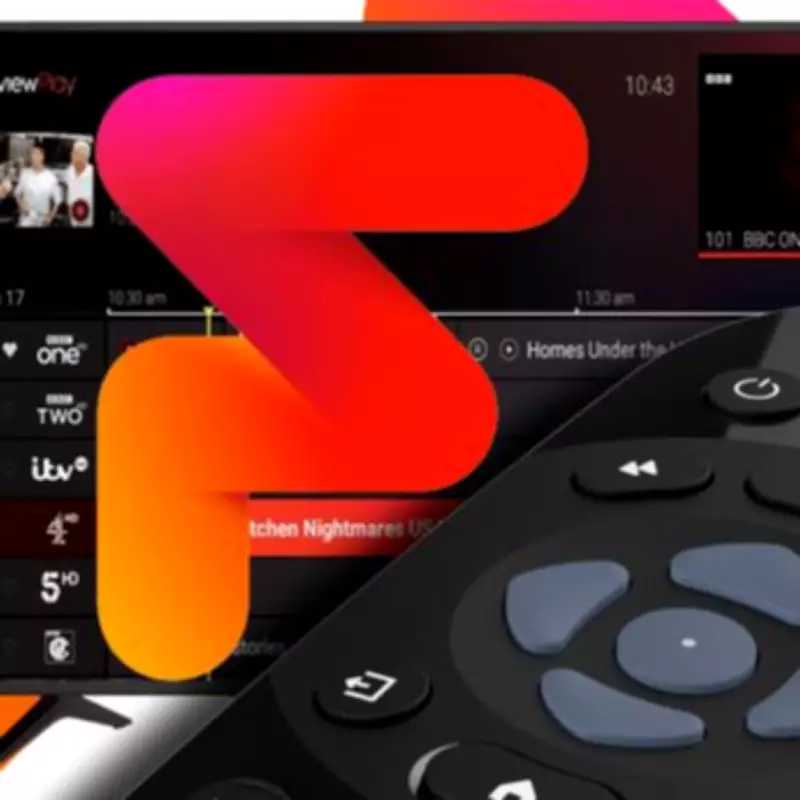
With an increasing number of homes already relying on web-based platforms for live and on-demand content, the move towards streaming appears inevitable. Services like Sky's latest streaming products and the new Freely service, which is integrated into many modern televisions, are leading this charge by offering television access solely through broadband connections.
Challenges to Traditional Broadcast TV
Several factors are contributing to the decline of traditional broadcast television. The proliferation of internet-connected devices in homes has led to a significant drop in viewership for aerial-based TV. Additionally, after 2031, the standard TV network may be required to share its valuable radio frequencies with mobile operators, further undermining the viability of over-the-air transmission.

The cost of maintaining the ageing terrestrial infrastructure is also escalating, prompting the UK government to actively discuss future steps. Nick Herm, Group Chief Operating Officer at Sky, commented on the research, stating, "This research shows that modern TV and social inclusion can go hand in hand. A full move to internet-delivered TV in the 2030s is achievable – and it can help close the digital divide rather than deepen it."
Public Opposition and Digital Exclusion Concerns
Despite the potential benefits, not everyone is welcoming the proposed shift. A petition opposing the scrapping of Freeview has garnered over 100,000 signatures, with many expressing concerns about the implications for those who rely on terrestrial television.
The petition highlights that forcing households to switch to internet-based TV would require every home to secure an expensive fixed broadband contract to continue watching their favourite programmes. This raises significant issues regarding digital exclusion, particularly for vulnerable groups.
Voices from the Community
Lynette, an 80-year-old resident from Kent, shared her apprehensions about the change. "Free Terrestrial TV is essential for me – whether it’s for entertainment, the news or even learning new things from magazine shows," she said. "I don’t want to be choosing apps and making new accounts, I don’t want a screen that pops up with the TV trying to work out what I want to watch. I’ve tried watching television programmes online with family members, and they stop part way through with a whirling circle and then an error message appears."
Government Investment and Future Announcements
Sky's report advocates for government investment in skills and affordable connectivity to assist the relatively small number of households that may struggle with the transition. Such measures could not only facilitate the move to streaming but also yield broader societal benefits beyond television viewing.
As discussions continue, more news regarding the future of UK television is expected to be announced shortly, potentially shaping the viewing habits of millions for decades to come.