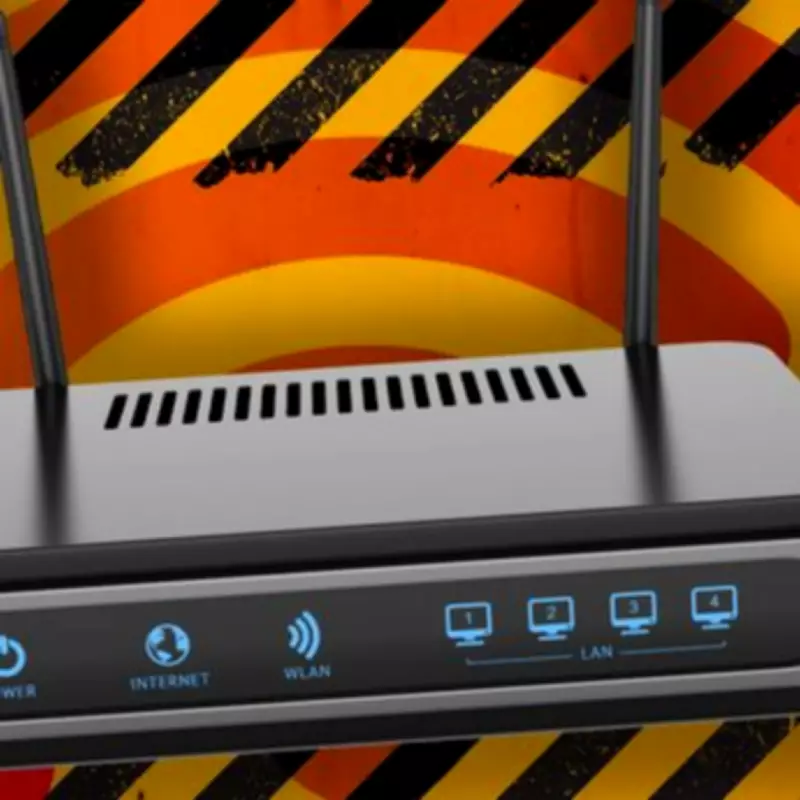
UK Broadband Warning: Phantom Devices Are Slowing Your Wi-Fi Speeds
British households are being advised to conduct immediate checks on their home broadband routers due to a widespread issue with so-called 'phantom devices' that are significantly reducing internet speeds. According to recent analysis from Uswitch, many homeowners remain unaware of the numerous gadgets connected to their home networks, with the average UK property now hosting at least 16 internet-connected devices scattered throughout various rooms.
The Hidden Drain on Your Connection
These phantom devices represent products that remain connected to the router even when not actively in use. Common examples include video doorbells, smart speakers, and various smart home accessories that maintain constant online connections, continuously sending and receiving data through the network. This persistent background activity can substantially slow broadband performance, particularly affecting activities such as video conferencing for work or streaming entertainment from platforms like Netflix.
The problem proves especially problematic for homes relying on basic internet packages with older copper cable infrastructure. Broadband connectivity operates similarly to road traffic systems - the more devices transmitting data along the connection, the slower the overall speed becomes. While full fibre broadband provides wider 'digital highways' capable of handling increased traffic, traditional copper connections struggle to maintain pace with modern demands.

Expert Recommendations for Improved Connectivity
Uswitch broadband expert Max Beckett explains the underlying issue: "Unused gadgets and sensors are constantly talking to your router in the background, which can clog up your connection and cause frustrating buffering when you are trying to watch a movie or play a game." He emphasizes that Wi-Fi problems aren't solely caused by multiple users being online simultaneously, noting that "some devices take up bandwidth even when you haven't touched them for days."
For households seeking better internet performance, experts recommend several straightforward solutions:
- Conduct a digital inventory: Identify all devices connected to your home network, including old tablets, smart speakers, and smart plugs that may have been forgotten but remain active
- Disconnect unused equipment: Power down or remove from your Wi-Fi network any gadgets no longer in regular use
- Consider infrastructure upgrades: Homes filled with smart technology may benefit from switching to faster full-fibre broadband packages
- Manage simultaneous usage: Limit how many household members stream high-definition content concurrently to prevent bandwidth congestion
Beckett advises households to "take a moment this week to do a quick digital spring clean. If there is a device you no longer use, or an old piece of tech lying in a drawer that is still switched on, disconnect it from your WiFi or power it down completely." While full fibre broadband represents the most reliable solution for avoiding buffering issues, simple device management practices can deliver immediate improvements to internet speeds without requiring expensive upgrades.