The Broomway: Britain's Most Dangerous Walk
An Amazon delivery van found abandoned on mudflats along the Essex coast last weekend sparked online humour, but it underscored the grave dangers of The Broomway, a 600-year-old path notorious as the UK's deadliest walk. The driver, following GPS to Foulness Island on February 14, became stuck on the tidal causeway at Great Wakering, prompting HM Coastguard Southend to respond. A spokesperson confirmed the driver safely exited the vehicle and reported the incident, with authorities prioritising safety and pollution concerns.
A History of Tragedy
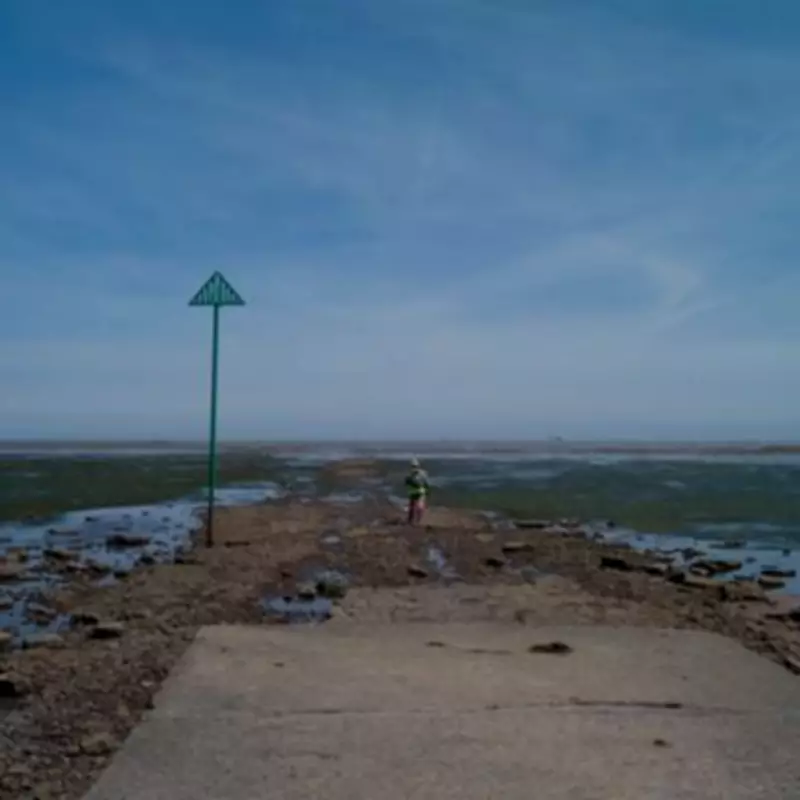
Stretching six miles into the Thames Estuary, The Broomway is estimated to have killed more than 100 people over centuries, with many victims buried in Foulness churchyard and others lost without record. Writer Robert Macfarlane, in his book The Old Ways, described it as the "unearthliest path I have ever walked" and noted that Edwardian newspapers dubbed it "The Doomway." The path's peril stems from unpredictable tides that gallop across sand flats faster than a human can run, coupled with risks of disorientation in fog or mist and treacherous surfaces like mud and quicksand.
Navigating the Perils
Managed by Essex Highways and owned by the Ministry of Defence since 1915, The Broomway is a public right of way that traverses a military firing range used for munitions testing. Experts strongly advise walking it only with a guide, as driving is not recommended. Misjudging tides or getting lost in poor conditions has led to numerous deaths, though 19th-century writer Philip Benton recorded that some islanders found "pleasurable excitement" in racing the tide. The last recorded fatality occurred in 1919, when a man returning from Rochford market perished.

Contrasting Experiences
Despite its dangers, Macfarlane noted that in good weather and on the correct route, The Broomway can feel like a stroll on a vast beach. However, the path remains a stark reminder of nature's unpredictability, with its history of tragedy serving as a cautionary tale for adventurers. The recent Amazon van incident highlights how modern technology, like GPS, can falter in such hazardous environments, reinforcing the need for local knowledge and extreme caution when venturing onto this iconic but deadly Essex coastline.