Private jet prices in Dubai have skyrocketed, with desperate wealthy tourists paying more than £100,000 to flee the Middle East following US and Israeli strikes on Iran. The conflict has triggered widespread travel disruptions, including the closure of major airports and the cancellation of thousands of flights across the region.
Airport Closures and Flight Cancellations
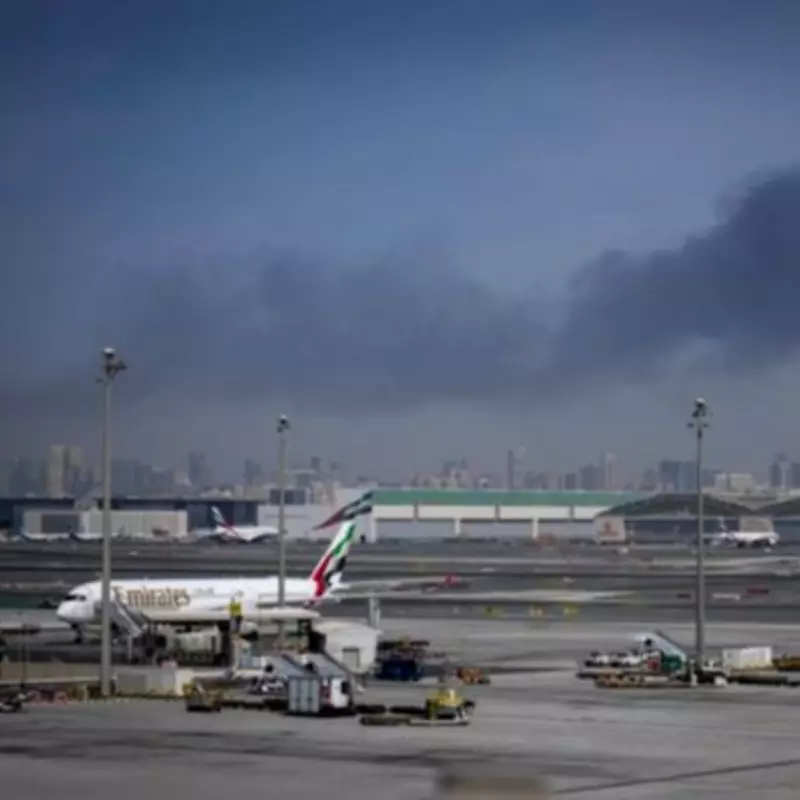
Iran's retaliatory missile and drone attacks led to the closure of Dubai International Airport and Al Maktoum International Airport on Saturday. Dubai Airports announced on Monday that a limited number of flights would resume from both hubs later that day. However, the initial shutdown left hundreds of thousands of passengers stranded.
According to flight-tracking service Flightradar24, more than 4,000 flights per day have been cancelled across the region since Saturday. This massive disruption has created a chaotic travel environment, with many tourists seeking alternative ways to exit the UAE.

Surge in Private Jet Demand
With commercial flights severely limited, some stranded tourists have taken matters into their own hands by chartering private jets. Altay Kula, a spokesperson for private jet brokerage JetVIP, reported that demand for private jets has surged dramatically, even as fewer operators are willing to fly in the region due to safety concerns.
James Leach of Air Charter Service explained that many local aircraft normally used for private flights are stuck at closed airports. This forces jets to fly in from further away, significantly pushing up costs. Light jet flights from Muscat, Oman to Istanbul are now costing more than $93,000 (£70,000), which is approximately double the usual rate. Heavy jet charters are reaching up to $140,000 (£105,000).
Alternative Escape Routes
Tourists have also been driving around 10 hours to reach open airports in Oman and Saudi Arabia. Airports in Muscat, Oman and—to a lesser extent due to visa restrictions—Riyadh, Saudi Arabia have become crucial travel hubs amid the disruption. Most evacuation flights are heading to major international destinations such as Istanbul, London, or Rome.
Private security companies have been hiring SUVs to transport clients to these open airports for their private flights, according to reports from Semafor. This highlights the extreme measures being taken by wealthy individuals to ensure their safe departure from the region.
Limited Commercial Flight Resumption
While some commercial flights have resumed, operations remain limited. UAE national carrier Etihad Airways had suspended most services until 10am GMT on Wednesday, but some departures went ahead on Monday. These included a flight to London Heathrow, which landed at 7.17pm GMT, as well as flights to Moscow, Paris, Cairo, Delhi, and Karachi.
The airline stated that only repositioning, cargo, and repatriation flights may operate in coordination with UAE authorities, subject to strict operational and safety approvals. This cautious approach reflects the ongoing volatility in the region and the prioritization of safety over normal travel schedules.
The combination of airport closures, flight cancellations, and heightened security risks has created a perfect storm for travel chaos in the Middle East. As wealthy tourists pay premium prices for private jets and seek alternative routes out of the UAE, the situation underscores the broader impact of geopolitical conflicts on global travel and the lengths to which individuals will go to ensure their safety and mobility.