Historic Heatwave Sweeps UK as April Temperatures Shatter Records
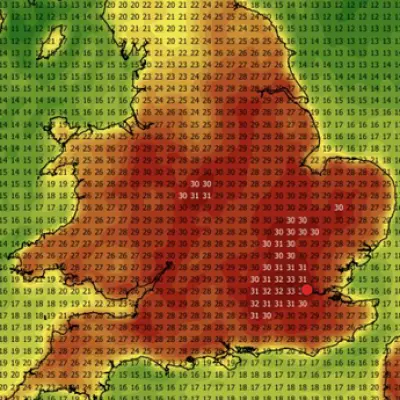
The United Kingdom experienced its hottest day in the first half of April since 1946 on Wednesday, according to official data from the Met Office. Provisional figures indicate that temperatures soared to a remarkable high of 26.6 degrees Celsius at Kew Gardens in south west London, marking an exceptional meteorological event for this time of year.
Record-Breaking Temperatures Outshine European Holiday Destinations
This record temperature comfortably exceeded the previous warmest day of 2024, which was recorded on Tuesday at 24.8C in Mona on Anglesey, Wales. Remarkably, London's mercury levels surpassed those in popular holiday destinations including Ibiza, Rome, and Marrakech, highlighting the unusual intensity of this spring heat spell.
Meteorologist Tom Morgan from the Met Office emphasized the rarity of such conditions, stating: 'Temperatures even into the mid 20s are very uncommon at this time of year. In the London area, we've seen temperatures above 26 degrees Celsius, and currently the provisional maximum today is 26.6 Celsius in Kew Gardens, London. And that is pretty exceptional for at least the first half of April.'

Brief Peak in Heat Followed by Cooling Trend
The hot spell, which began on Monday, represents a significant departure from the typical early April average of 12C to 15C. However, Morgan cautioned that this represents a brief peak in the heat, with temperatures expected to drop considerably across most of the UK on Thursday.
Not all regions shared in the sunshine, with Northern Ireland and northwest Scotland experiencing cloudier, cooler conditions and occasional outbreaks of rain on Wednesday. Forecasters confirm the warmth of recent days may be 'short-lived' for some parts of the country, with rain and showery weather expected to move southeast across the UK on Thursday.
Water Safety Warnings Amid Tragic Drowning Incidents
As Britons flocked to coastal areas and waterways to cool off, water safety charities issued urgent warnings about the dangers of cold water immersion. The Royal Life Saving Society UK revealed that research shows the risk of accidental drowning increases fivefold during warm weather periods.
A spokesperson for the charity explained: 'Although air temperatures are warm, water temperatures remain very cold. The shock of cold water can make swimming difficult and increase the difficulty in getting out of the water.'
Tragically, two young boys have died in separate water incidents in recent days. In Cumbria, a body was recovered by police on Tuesday after a 17-year-old boy went missing at High Dam Tarn. Meanwhile, a seven-year-old boy died in hospital on Monday after emergency services responded to reports of a child in trouble in a small pond at a golf centre in March, Cambridgeshire.
The drowning prevention charity advises: 'Stop and think before getting into water and always stay together. In an emergency, call 999 immediately. Stay out of the water yourself. Tell them to keep calm and throw something that floats, such as a plastic bottle or football, for them to hold onto and stay afloat while help is on the way.'
Pollen Bomb and Heatwave Definitions
Despite the high temperatures, the Met Office confirms this week's weather does not meet its official definition of a heatwave, which requires temperatures to exceed region-specific thresholds of 24C and 27C for at least three consecutive days.
The hot weather has coincided with peak pollen season across the UK, with forecasters warning of a 'pollen bomb' as levels soar. Ash and birch pollen levels remain 'very high' according to Met Office data, creating challenging conditions for allergy sufferers despite the otherwise pleasant weather.
This exceptional weather event serves as a reminder of both the pleasures and potential dangers of unseasonal warmth, with authorities urging the public to enjoy the sunshine responsibly while remaining aware of changing conditions and safety considerations.