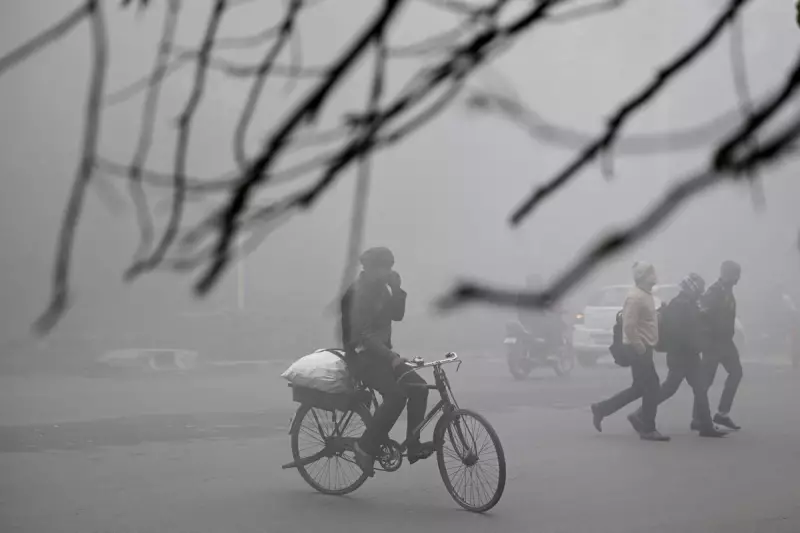
The Indian capital has woken up to its chilliest January morning in three years, as a severe cold wave tightens its grip on northern parts of the country. On Tuesday, 13 January 2026, Delhi's minimum temperature plunged to a biting 3.2 degrees Celsius, marking the lowest reading of the current season.
Record-Breaking Chill Across the Region
The intense cold was not confined to the capital. The nearby city of Gurugram experienced a near-freezing 0.6°C, one of its lowest temperatures in almost fifty years. Remarkably, the cold snap has rendered several plains in northern India colder than many Himalayan hill stations, which remained atypically warmer due to persistent cloud cover.
Meteorologists from the India Meteorological Department (IMD), which issued a cold wave alert, explain the phenomenon. They attribute the plunge to clear night skies and cold north-westerly winds sweeping across the plains. These conditions allow heat to escape rapidly into the atmosphere, a stark contrast to the insulating cloud cover present over the mountains.

Widespread Disruption and Health Warnings
The consequences of the big freeze are being felt widely. The cold wave has led to dense fog and frost, severely disrupting travel and daily life. Furthermore, air quality has deteriorated to hazardous levels across the region, compounding public health risks.
Authorities have issued urgent health warnings, advising vulnerable populations to take precautions against hypothermia and respiratory illnesses. The situation is exacerbated by an exceptionally dry winter; data reveals an over 80 per cent rainfall deficit for December and early January. This lack of moisture and cloud cover has significantly contributed to the plummeting temperatures.
Prolonged Freeze Expected
There is little immediate relief in sight for residents. Forecasters predict that the cold conditions are expected to persist for several more days. The IMD continues to monitor the situation closely, urging people to stay informed through official alerts and to take necessary measures to stay warm and safe during this prolonged period of extreme cold.