Northern Marianas Brace for Extended Power Outages After Super Typhoon Sinlaku
Officials in the Northern Marianas have warned that some of the hardest-hit areas could be without electricity and water for weeks following the devastating impact of Super Typhoon Sinlaku. The Pacific Ocean islands, including the US territory of Saipan, experienced fierce winds, relentless rains, and severe flooding that have left a trail of destruction.
Severe Damage and Infrastructure Collapse
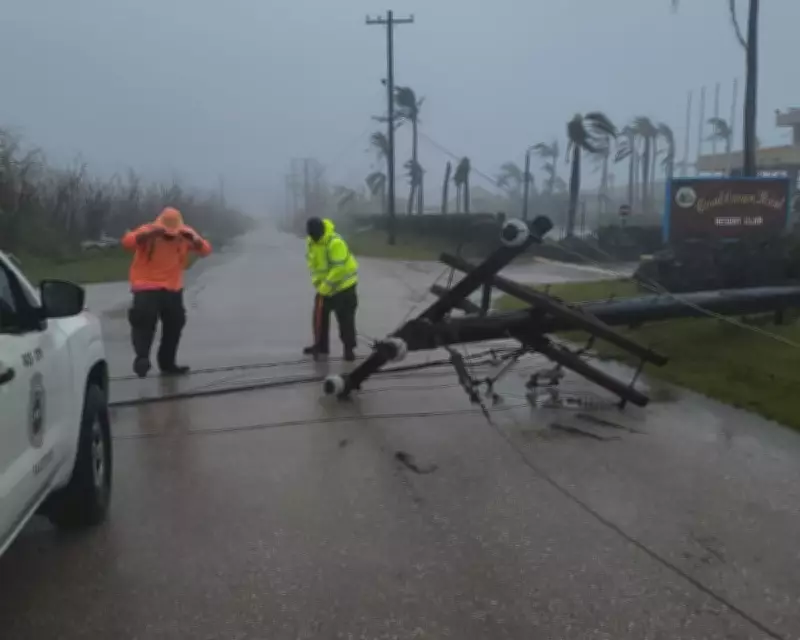
Super Typhoon Sinlaku first struck the islands on Tuesday night, continuing into Wednesday with sustained winds reaching up to 150 miles per hour at landfall. The storm flipped over cars, toppled numerous utility poles, and ripped away tin roofs from buildings. Many roads across Saipan and Tinian have become impassable, hampering recovery efforts.
Ed Propst, a former lawmaker now working in the governor's office, reported that the only hospital on Saipan suffered severe flooding. Additionally, there were reports on Thursday that several big resorts had lost their backup generators, exacerbating the crisis. "It's pretty bad conditions right now," Propst stated, noting that residents are preparing for a prolonged period without essential services.

Assessment and Response Challenges
Authorities are just beginning to assess the full extent of the damage, but the situation remains critical. Bernard Villagomez, a public information officer for the territory, informed the Associated Press via text that "We still have a shelter in place so first responders have not been able to do a full damage assessment." This delay is due to ongoing safety concerns, as many sensors on the islands are down, and winds were estimated at 60 to 70 miles per hour on Thursday.
The storm also impacted Guam, another US territory with several American military bases, where tropical force winds were recorded. As Sinlaku moved away to the north from Saipan, Tinian, and Rota, it packed winds of 125 miles per hour and is expected to curve toward sparsely populated volcanic islands in the far northern Marianas.
Community Impact and Recovery Efforts
Residents like Mathew Masga on Tinian described unsafe conditions, with winds making it hazardous to venture outside. However, some stores opened on Thursday, leading to a rush of people purchasing supplies. Masga noted in a Facebook message, "While driving around, I noticed numerous wooden and semi-concrete houses with damaged rooftops due to the passing typhoon. Notably, many of our power poles and power lines are down."
With power and water out across the islands, home to approximately 45,000 people, the focus is now on recovery and restoring basic services. The Northern Marianas are bracing for a challenging period as they deal with the aftermath of one of the strongest tropical cyclones of the year.