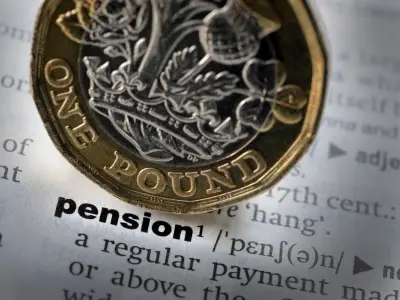
Households can boost their tax-free Personal Allowance to £13,830 using the Marriage Allowance scheme, which also allows backdating for up to four years, according to HMRC. The standard Personal Allowance has been frozen at £12,570 since 2021 and is set to remain until at least 2031, causing fiscal drag that pushes more people into higher tax bands. The Express reported that two million people have been pushed into higher tax bands due to frozen thresholds.
How Marriage Allowance Works
The Marriage Allowance enables married couples or those in civil partnerships to transfer £1,260 of one partner's unused Personal Allowance to the other. This reduces the recipient's tax bill by £252 per year (20% of £1,260). Couples can backdate claims for the current tax year and the past four years, potentially receiving a tax rebate of up to £1,260. HMRC adjusts the tax code to provide the benefit, with backdated years paid via cheque.
To be eligible, one partner must earn less than £12,570 (or between £11,130 and £12,570 for 2024-25, though with a reduced benefit) and pay no income tax. The other partner must be a basic rate taxpayer earning between £12,570 and £50,270 (after pre-tax workplace pension deductions).

Expert Insights
Laura Suter, director of personal finance at AJ Bell, explained: "The marriage allowance is a great way to claim some money back if one half of the couple earns less than £50,270 a year and the other either earns less than £12,570 or doesn't earn any money at all. The government lets those who are married or in a civil partnership share their tax-free earnings allowance each year." She added that around two million eligible couples are not claiming the break, including those where one partner is retired.
Claiming the Allowance
Claims can be made online via the government website using both partners' National Insurance numbers and identification. Suter warned: "Beware of scam websites that are mocked up to look like the government website but are actually imposters." Backdating is limited to the current year and the past four financial years; for 2025-26, claims can go back to 2021-22.