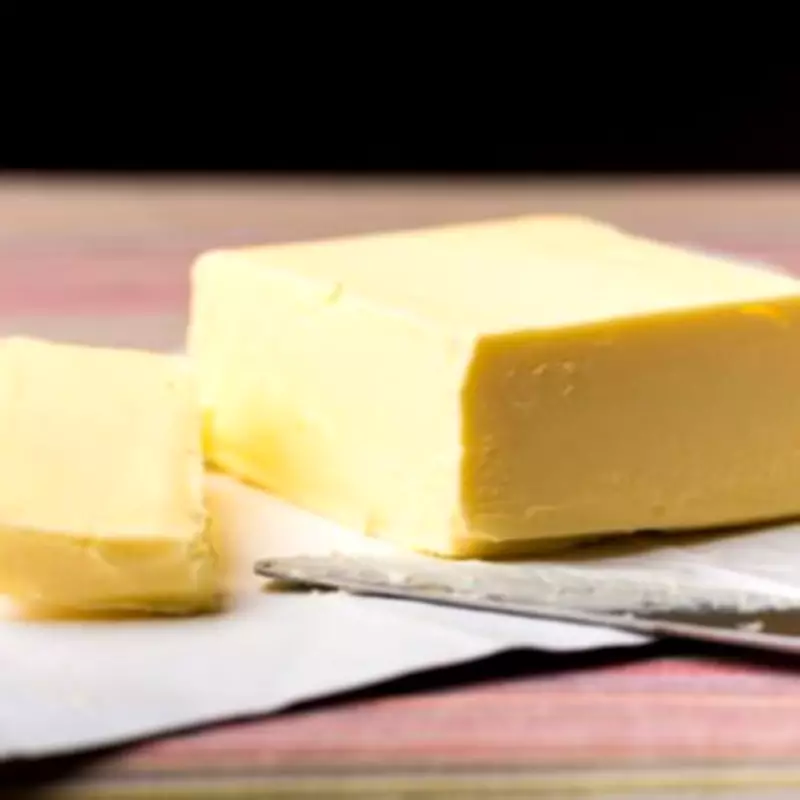
Butter stands as an indispensable kitchen staple that few households could manage without. Whether you're crafting a delicate cake, gently sautéing fresh vegetables, or generously spreading it across warm morning toast, this creamy dairy product represents one of life's small daily luxuries.
The Art of Selecting Quality Butter
Choosing the appropriate butter for specific culinary tasks isn't always straightforward. Not all butter varieties are created equal, as discovered through extensive tasting of seven different types. Professional chefs emphasize one critical factor when seeking superior quality.
Two culinary experts recently shared their professional insights with Express.co.uk regarding their butter selection criteria. Both chefs highlighted the paramount importance of simple, straightforward ingredients for achieving that luxurious, creamy dairy flavor profile.

Expert Recommendations from Professional Chefs
Eleni Louca, head chef at Hello Halloumi bakery in New York's West Village, revealed her preference for butter with the highest available dairy content. With previous experience owning and operating her own bakery in Cyprus, Eleni possesses extensive knowledge working with both European and British commercial butters, giving her substantial expertise regarding UK supermarket offerings.
She elaborated: "For baking applications, I specifically seek out higher butterfat content and cultured or European-style butter varieties. From Waitrose, their own-brand British and French-style butter blocks demonstrate excellent baking performance due to their consistent texture and clean dairy flavor profile. Marks & Spencer represents another standout retailer, particularly their cultured and West Country style butters, which deliver deeper flavor complexity and perform beautifully in pastry preparations."
"For everyday spreading purposes, a sweet cream butter with a clean finish works most effectively. Sainsbury's Taste the Difference butter and Tesco Finest butter blocks serve as reliable options that balance softness and flavor well. Cultured butters introduce more depth and a slight tanginess, which I personally prefer for baking applications, while sweet cream butters maintain a more neutral character ideal for daily consumption."
Eleni concluded with her fundamental principle: "My rule of thumb remains simple: if the butter tastes delicious on its own, it will bake beautifully!"
The Salted Butter Perspective
Jessica Randhawa, head chef and recipe creator behind The Forked Spoon, expresses genuine passion for butter and incorporates it into practically everything she prepares. Regarding her shopping preferences, she maintains strict criteria for what enters her trolley.
She disclosed: "I consistently purchase salted butter varieties. The essential consideration when using salted butter regularly involves understanding that you may need to reduce additional salt quantities in specific recipes. Salt naturally enhances butter's flavor profile, particularly when used in simple dishes like buttered bread or eggs."
Jessica believes salted butter delivers significantly more flavor impact compared to oil alternatives, though she cautions about one crucial consideration during cooking processes.
She explained: "It's generally advisable not to cook with butter at excessively high temperatures. I typically incorporate butter into dishes where I plan to utilize lower heat settings and longer cooking durations, such as sautéed zucchini or asparagus preparations."
During her weekly supermarket visits, Jessica actively seeks locally-sourced and organic butter varieties, as these options prove more environmentally considerate while supporting regional farmers. She emphasized: "Butter should ideally contain only two ingredients: cream and salt."
Jessica shared her current preferences: "Presently, in both of my test kitchen refrigerators, you'll find Clover Sonoma Pasture Raised Organic Sweet Cream butter, which originates near my Northern California location and represents high-quality production. However, if I were located across the country or in another nation entirely, I would opt for more locally-produced alternatives."

The chefs' collective wisdom demonstrates that whether selecting butter for sophisticated baking projects or simple daily use, attention to ingredient quality, fat content, and production methods can significantly elevate your culinary results.