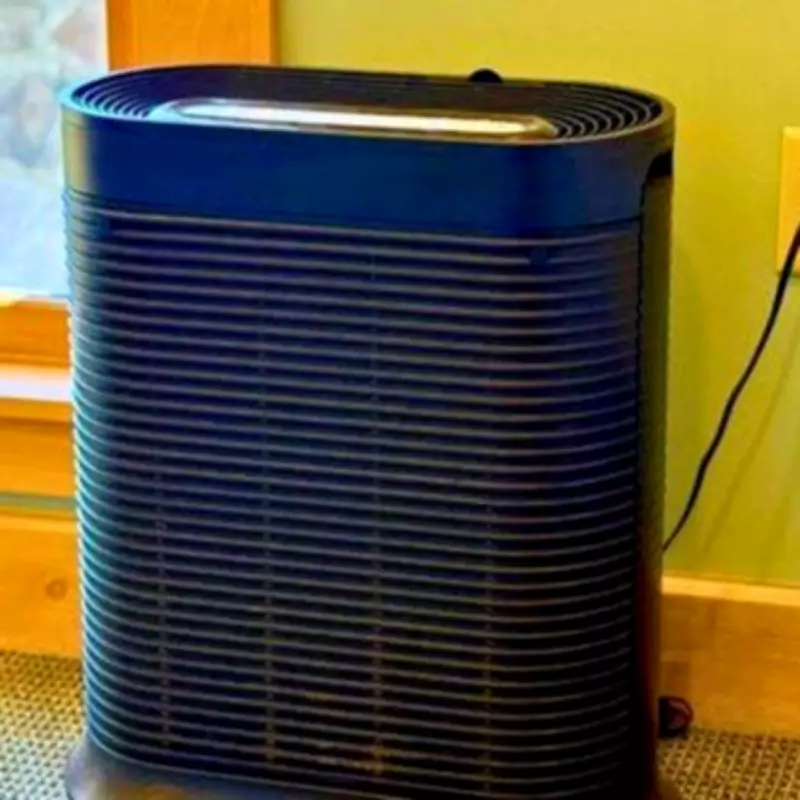
Dehumidifiers have become essential winter appliances for drying laundry and combating dampness, but a widespread error in their usage is causing household energy costs to escalate dramatically. According to specialists, most people are inadvertently driving up their electricity expenses by failing to position these devices correctly before operation.
The Critical Placement Error
Appliance experts from Coopers of Stortford highlight that many users are "quietly draining their wallets" by placing dehumidifiers in suboptimal locations. The primary mistake involves positioning the unit too close to walls or furniture, which severely hampers its functionality.
Why Airflow Matters
Dehumidifiers operate by extracting water vapour from the air, a process that requires unrestricted airflow. When placed against a wall, in a corner, or behind furniture, the device cannot effectively pull moisture from the room. This limitation forces it to work longer and harder, consuming more energy without achieving desired results.

Optimal positioning requires at least 20-30 centimetres of clearance on all sides, allowing the unit to access circulating air. For maximum efficiency, place the dehumidifier in a central part of the room, even if this proves slightly inconvenient.
Additional Operational Tips
Beyond placement, several other factors influence dehumidifier performance. Ensuring doors remain slightly ajar is crucial, as complete enclosure prevents air circulation. Specialists advise against blocking vents or covering radiators, which can trap moisture and reduce effectiveness.
Timing for Peak Efficiency
Running a dehumidifier during morning hours yields the best results. Humidity levels typically peak in the early day due to overnight moisture accumulation from breathing and condensation on windows. Addressing this moisture promptly can enhance drying speed and potentially lower energy costs, especially for those on off-peak electricity tariffs.
Broader Benefits of Proper Use
Correctly operating a dehumidifier not only reduces energy bills but also accelerates laundry drying—potentially halving the time required. Moreover, it helps prevent damp and mould development in properties, contributing to a healthier living environment.
By avoiding common placement errors and following expert guidance, households can optimise their dehumidifiers for both cost savings and improved performance throughout the winter season.