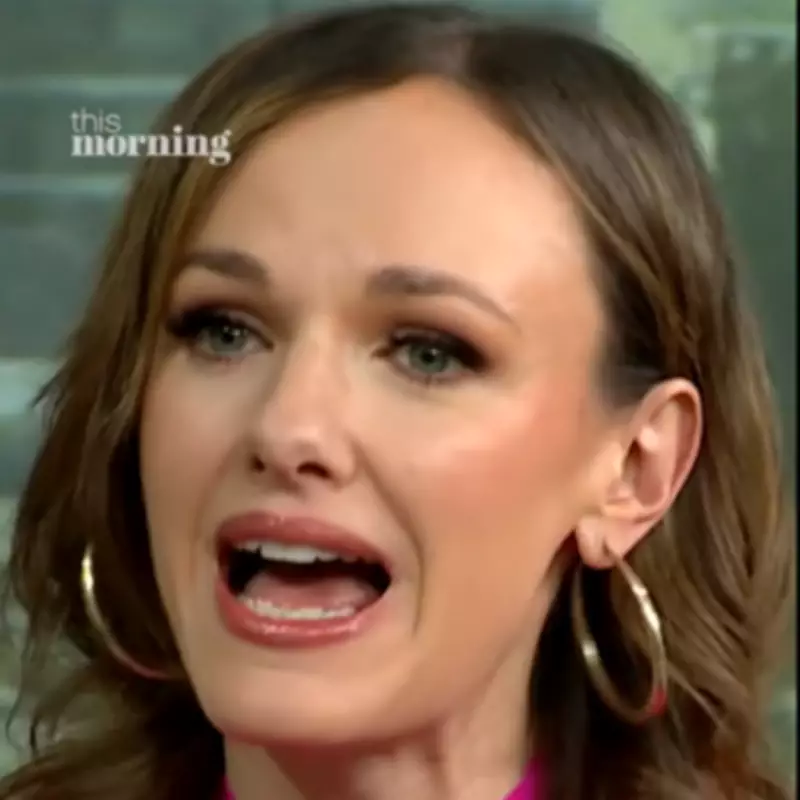
An ITV consumer specialist has issued a crucial warning to Amazon customers about their payment methods as the new year begins. Appearing on This Morning, financial expert Grace Forell provided essential guidance to host Cat Deeley for those receiving their first 2026 paychecks.
The 'Friction' Method for Financial Discipline
Forell emphasised that many people want to start 2026 with improved financial habits and better control over their spending. Her primary recommendation involves deliberately making payments more difficult to execute.
The first step she advocates is disabling all cards stored in your phone's digital wallet. This approach creates what she calls 'payment friction' - introducing a deliberate pause between the desire to purchase and the actual transaction.

Creating Barriers to Impulse Buying
"The temptation may be to splurge, but January is the perfect time to introduce new habits that will help you make 2026 more financially fruitful," Forell explained during the segment.
Her comprehensive strategy includes three key actions:
- Disabling cards in digital wallets
- Removing autofill for card details from internet browsers
- Turning off one-click shopping on Amazon
"Making things harder to pay for could well do your bank balance a favour," she added, suggesting that these small barriers provide valuable thinking time before making potentially unnecessary purchases.
Understanding Your Payslip Fundamentals
When Deeley raised the common issue of people struggling to comprehend their payslips, Forell highlighted this as the foundation of financial management.
"So I would say my five steps to saving money and making your paycheck last longer start with your payslip. Go back to the basics and read it properly," she advised.
Tax Code Awareness
Forell provided specific guidance about tax codes, noting that most employees typically use code '1257L', which allows £12,570 tax-free before income tax applies.
However, she warned about emergency tax codes like 'C0T', 'W1', or 'M1' that often appear after job changes. These emergency codes frequently result in significant overpayment of taxes, which HMRC should rectify automatically but doesn't always address promptly.
"It's so crucial to make a note of any overpayments that you're making," Forell stressed, emphasising the importance of monitoring these details personally.
Public Reaction and Educational Debates
The advice sparked mixed reactions among viewers, with some questioning the complexity of the guidance.
Viewer Karen commented: "You don't have to fully understand it to know how much you've earned! It tells you in the final box normally. Not rocket science."
Meanwhile, Wesley initiated a broader discussion about financial education: "Maybe this kind of thing should be taught in school instead of working out what X equals or analysing poems... maybe teach how to understand payslips, along with tax, pension plans, how to do an invoice, how to claim tax back, bonds, credit cards, workers rights..."
He proposed a comprehensive "Life experience" curriculum that would equip people with practical financial knowledge for everyday situations.
Forell's recommendations arrive as many consumers seek to establish healthier financial patterns for 2026, combining immediate practical steps with longer-term financial literacy development.