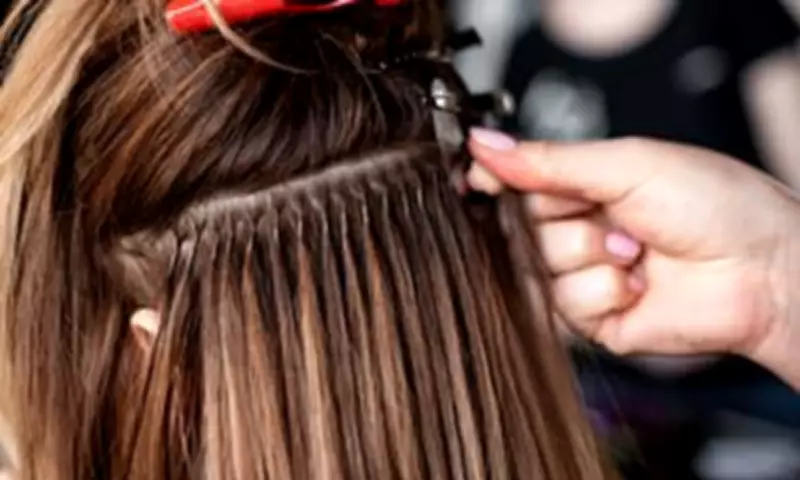
Scientists Issue Urgent Warning Over Toxic Chemicals Found in Popular Hair Extensions
Researchers have issued an urgent public health warning after discovering that hair extensions contain dozens of hazardous chemicals, including substances linked to cancer, hormone disruption, and developmental problems. The study, conducted by the Silent Spring Institute, examined 43 popular hair extension products sold online and found alarming chemical contamination across nearly all samples.
Celebrity-Favoured Beauty Products Under Scrutiny
Hair extensions, beloved by celebrities including Elle Macpherson, Ivanka Trump, and Taylor Swift for creating the illusion of thicker, more luscious locks, have become exceptionally popular in both the UK and US markets. Whether clip-ins, tape-ins, weaves, or micro-links, these beauty enhancements have achieved widespread ubiquity despite minimal research into their potential health risks.
"Companies rarely disclose the chemicals used to achieve these properties, leaving consumers in the dark about the health risks from prolonged wear," said Dr. Elissia Franklin, lead author of the study. "The fibers sit directly on the scalp and neck, and when heated and styled, they can release chemicals into the air that wearers may breathe in."

Comprehensive Chemical Analysis Reveals Alarming Results
Using an advanced technique called non-targeted analysis, researchers screened synthetic products made from plastic polymers alongside bio-based products including human hair, banana fiber, and silk extensions. Their comprehensive analysis uncovered traces of numerous hazardous substances, with all but two of the 43 samples containing concerning chemicals.
The study identified multiple "chemicals of concern" including:
- Flame retardants linked to cancer, neurotoxicity, and hormone disruption
- Phthalates associated with hormonal issues and reproductive problems
- Pesticides used to repel pests from hair products
- Styrene, a chemical used in plastic production
- Tetrachloroethane, a highly toxic industrial solvent that can cause liver damage
- Organotins, heat stabilizers linked to skin irritation
Specific Health Risks Identified
Previous research has established connections between these substances and serious health consequences. Flame retardants, added to materials to prevent fire, pose significant cancer risks alongside neurotoxic effects. Phthalates, used to increase plastic flexibility, disrupt hormonal systems. Tetrachloroethane exposure can lead to central nervous system depression and liver damage.
"We were especially surprised to find organotins," Dr. Franklin noted. "These are commonly used as heat stabilizers in PVC and have been linked with skin irritation, which is a common complaint among hair extension users."
Calls for Stronger Regulations and Industry Transparency
Based on their findings, researchers are calling for stronger regulations on hair extension manufacturing and sales. "These findings make clear that stronger oversight is urgently needed to protect consumers and push companies to invest in making safer products," Dr. Franklin emphasized.
The study highlights a significant gap in consumer protection, as manufacturers rarely disclose the chemical composition of hair extensions. This lack of transparency prevents consumers from making informed decisions about products that remain in direct contact with their scalp and skin for extended periods.
Broader Context of Beauty Product Safety Concerns
This warning comes shortly after separate investigations revealed that hair products sold at major retailers including Target and Walmart contain cancer-causing ingredients. The Center for Environmental Health (CEH) recently notified retailers they were violating safety standards by selling shampoos, body soaps, and personal care products containing cocamide diethanolamine (cocamide DEA).
Laboratory tests have linked this substance to liver and kidney cancer, prompting California to add it to the list of carcinogenic chemicals requiring warning labels. "Cocamide DEA has been found to cause cancer. It has no place in any personal care products we use on our hair or on our skin," said Caitlin Moher, CEH's Research Manager.

The convergence of these findings underscores broader concerns about chemical safety in beauty and personal care products, highlighting the need for more rigorous testing, transparent labeling, and stronger regulatory frameworks to protect consumer health.