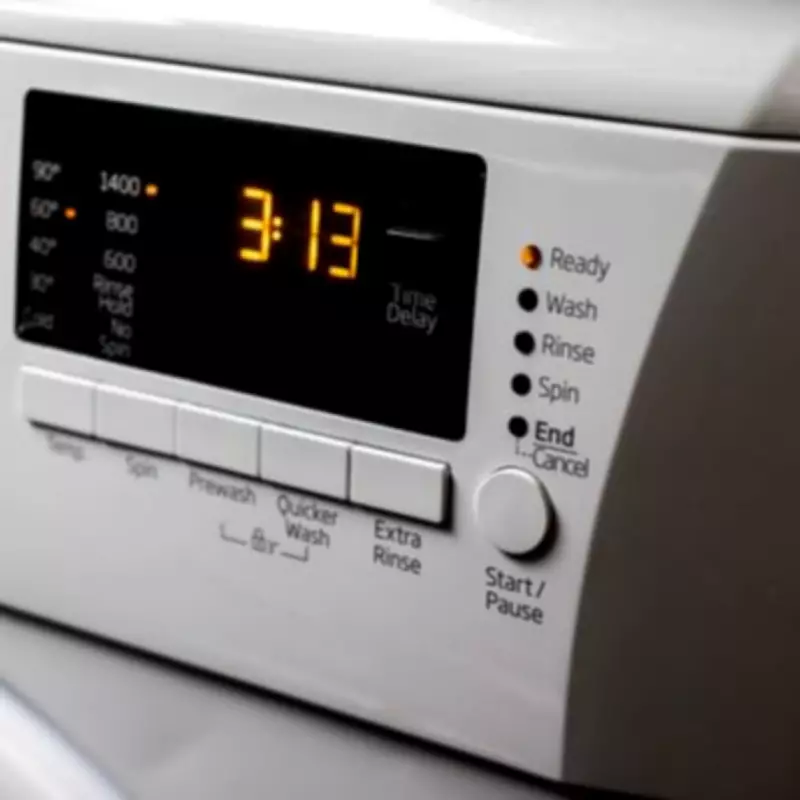
Waiting for a washing machine cycle to finish can be one of life's most frustrating domestic experiences, with many people feeling the process drags on endlessly. In theory, modern appliances should simplify laundry tasks by displaying precise countdown timers that indicate exactly when clothes will be ready for drying. Yet countless households report watching timers that seem to stretch indefinitely, creating widespread irritation about their apparent unreliability.
The Universal Frustration with Washing Machine Timers
Most people have experienced the peculiar phenomenon where a washing machine displays one minute remaining, but that minute somehow extends far beyond sixty seconds. This common annoyance has become a source of shared humor and frustration across social media platforms and household conversations alike. One TikTok user previously created a humorous sketch illustrating this universal experience, joking that when the timer shows one minute left, there's enough time to take a walk, visit a pub for a drink, and enjoy a full meal before returning home just as the cycle finally concludes.
The sentiment resonates widely, with many people reporting similar experiences. One viewer commented: "Yes! I've stood there waiting, and it took another five minutes! I was so mad." Another person agreed, stating: "Waiting for the click is like an eternity, it's like, just tell me if you need extra time." A third individual noted simply: "The biggest lie ever told." These reactions highlight how this seemingly minor inconvenience has become a significant point of domestic frustration for many.

The Expert Explanation Behind Timer Inconsistencies
According to Vivien Fodor, laundry category manager for Hotpoint UK, there's actually a legitimate and beneficial explanation for why washing machine cycles often take longer than initially indicated. The reason for these time alterations lies in the machine's sophisticated programming designed to optimize performance for greater efficiency, which ultimately helps users save money on energy and water bills.
Vivien explained: "Many individuals depend on the timers of their washing machines and dryers to organise their daily tasks – and they are correct in doing so! This is why most contemporary appliances come equipped with displays that indicate how much time remains in your cycle. However, as the washing continues, the timer doesn't always reflect the total time set at the start and, in the end, can differ by a few minutes."
She continued: "Whilst the difference is not usually big, this can be frustrating. However, there is a perfectly good explanation for this – and it is actually helping you to save energy and money. Washing machines are designed to save resources wherever possible, be it water, energy, or laundry detergent."
How Washing Machines Automatically Adjust Their Cycles
The explanation involves several automated checks that washing machines perform during their cycles. These sophisticated systems monitor various parameters to determine if the machine is taking more or less time than expected to complete specific stages like filling, washing, or spinning. Based on these real-time assessments, the machine will adjust its timing to end at optimal points in the cycle – sometimes finishing sooner than anticipated, but more often extending slightly longer.
Vivien noted: "The only difference is that people only notice when it's the latter! As the parameters differ with some loads being heavier than others, such as bedding and towels, this automated function ensures your laundry is washed properly yet economically every time, regardless of the load type." This intelligent adjustment system means that washing machines can adapt to different fabric types, load sizes, and soil levels without requiring manual intervention from users.
This revelation provides valuable insight into modern appliance technology and demonstrates how seemingly frustrating design elements actually serve important purposes. The next time your washing machine timer seems to be stretching time, remember that it's actually working hard to clean your clothes efficiently while minimizing environmental impact and reducing your utility costs.