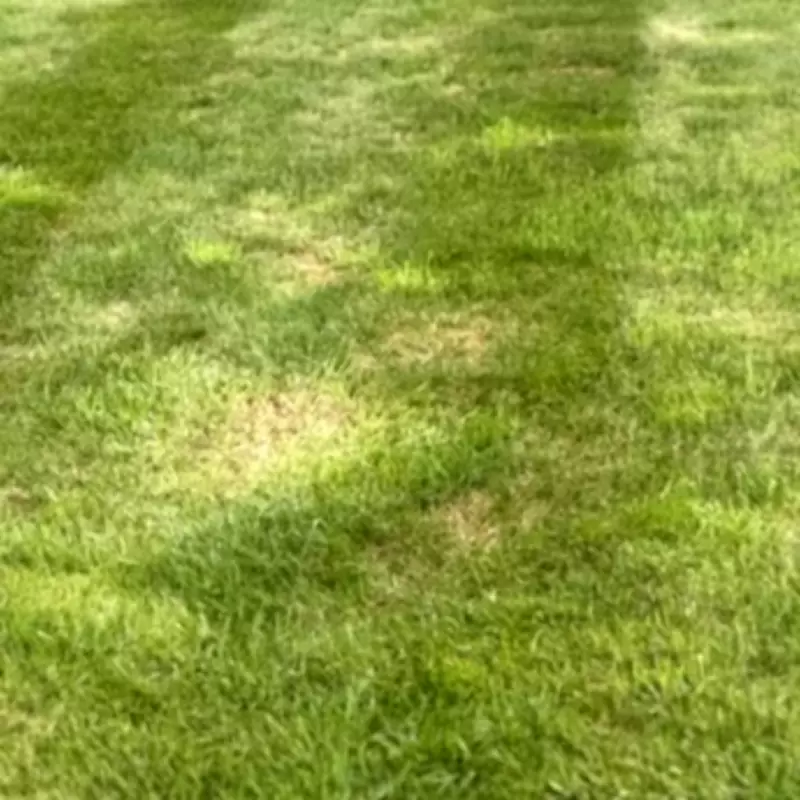
As gardeners take advantage of the heatwave to catch up on outdoor chores, one expert has warned that a routine task could be a complete waste of both time and water. Those eager to add lawn watering to their list of jobs have been urged to think again, particularly if the grass has already turned brown.
Why Brown Grass Is Not a Cause for Alarm
According to Which? Gardening editor Ceri Thomas, the majority of UK lawns consist of resilient grass species that naturally become dormant during periods of drought to conserve energy. While it may not return to its green state immediately, he explained that lawns typically bounce back surprisingly swiftly once the rain arrives, with new growth gradually replacing the dry, brown blades.
He explained: "It can look alarming when grass turns brown during dry periods, especially if you're used to seeing it lush and green, but I'd never waste water on it, as it will quickly revive once the rain returns. In most cases, that colour change is temporary rather than a sign of lasting damage."

He added: "Of course, dry weather often coincides with hosepipe bans - so even trying to water would be a real hassle. Plus, anyone on a water meter knows that it can get expensive to water things that don't need it."
The Risks of Light, Frequent Watering
Thomas went on to say there is "also little benefit to light, frequent watering", which he claimed "tends to encourage shallow roots rather than deeper, more drought-tolerant growth". A number of well-known gardeners, horticulturists and lawn specialists have offered similar guidance regarding drought-stressed or brown grass.
RHS Guidance on Brown Lawns
Guidance from the Royal Horticultural Society confirms that brown lawns frequently look far worse than they actually are, advising keen gardeners to only water them if "absolutely necessary". According to the organisation's website, the roots beneath an established lawn are typically still alive and perfectly capable of bouncing back once rainfall returns.
Gardeners are therefore urged to refrain from wasting water on dried-out lawns, as healthy green growth should naturally return once conditions improve. It also notes that watering may be required in certain circumstances, such as if you laid or sowed a new lawn during spring. Should watering become unavoidable, the RHS recommends using grey water or stored rainwater rather than mains water for new grass wherever possible.
Alternative Gardening Tasks During a Heatwave
For those who'd prefer a different task to focus on in the garden during the heatwave, RHS horticultural adviser Nick Turrell offered guidance on where gardeners might better focus their attention. Speaking to The Independent, he warned: "No one's going to suddenly change all their plants, getting plants with silver leaves etc. Some plants are more susceptible than others, and I would say the top five are hydrangea, which likes slightly cooler temperatures and plenty of water, Japanese maples, which have thin leaves and lose moisture, fuchsia, astilbes and roses, which are hungry and thirsty. They catch gardeners out."
According to Nick, lavender, rosemary, sedum and other succulents are among the plants best equipped to withstand the heat. He also advises watering your plants early in the morning with a watering can rather than a hose, directing the water towards the base of each plant so it penetrates the roots more efficiently.