New figures from UKHospitality, the trade body, show that the average price of a glass of wine in British restaurants has skyrocketed by nearly 40 per cent. This dramatic increase is placing significant strain on both restaurateurs and diners, with many upmarket eateries now refusing to offer bottles for less than £35 or £40. The industry is grappling with what some describe as 'never ending' price rises, driven largely by recent tax reforms.
Tax Reforms Drive Up Costs
The wine industry has been severely impacted by higher tax rates under government reforms that link duty to alcoholic strength. According to The Wine and Spirit Trade Association (WSTA), duty on a typical bottle of red wine has risen by a staggering 49 per cent since 2023. Additionally, restaurants are mandated to levy a 20 per cent VAT on all bottles of vino, further inflating costs for consumers.
Critics Lament Uncomfortable Dining Experiences
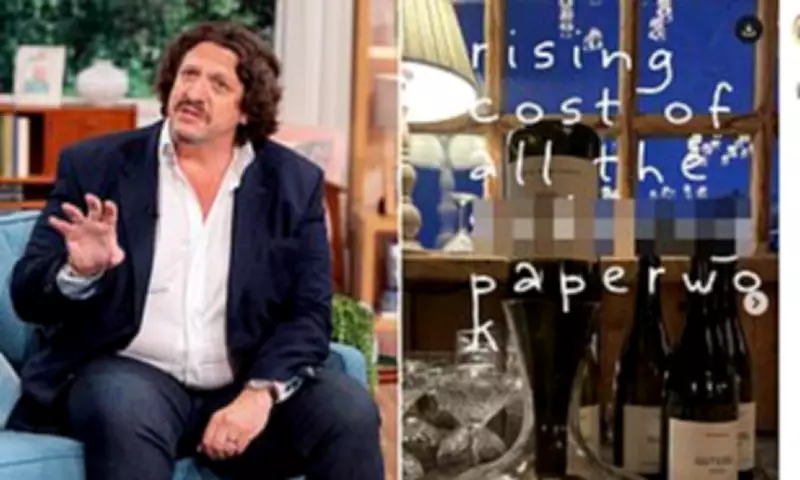
Prominent food critic Jay Rayner has voiced strong concerns, stating that the excessive pricing of wine has made 'the whole experience of going to a restaurant feel uncomfortable'. In a recent appearance on the YouTube series At The Bar, Rayner explained that many diners are caught off guard by steep wine lists. He noted, 'Nobody looks at the wine list unless they are somebody who is really interested in wine, in which case they are already aware of how wine pricing works. Then they get there and they discover the cheapest bottle of wine is £35 or £40 and their dinner for two is going to cost them £20 more than they expected.'

Rayner has called on restaurants to source drinkable bottles from supermarkets and offer them on their lists for around £24, arguing that failing to do so is 'willful, strange and exclusive'. His comments reflect a growing frustration among both industry professionals and patrons.
Restaurateurs Struggle with Unrelenting Rises
Honey Spencer, co-owner of Sune in Hackney, echoed these sentiments, revealing that she has 'become sick' of expensive wine. In an Instagram post, Spencer wrote, 'One of the hardest pills to swallow as a restaurateur over the last few years is the unrelenting rise in the cost of wine. It's never ending.' She added that at Sune, they are constantly adjusting prices and lowering margins to ensure guests perceive value, even if the venue is not cheap.
Government Policies Under Fire
The price hikes follow Chancellor Rachel Reeves' November Budget, which included a raid on drinkers that caused wine prices to rise by 13p. Despite warnings about the fragile state of the hospitality sector and broader inflation concerns, the Chancellor proceeded with an across-the-board increase in alcohol duty. The Treasury announced it would revert to raising alcohol duty in line with its forecast rise in the retail prices index of 3.66 per cent.
According to the WSTA, this policy will add 11p to a bottle of Prosecco, 13p to a bottle of red wine, and 38p to a bottle of gin from February 1 next year. Miles Beale, chief executive of the WSTA, condemned the increase as 'typically disappointing and shortsighted'. He argued, 'Despite the OBR at last acknowledging higher prices lead to a decline in receipts, the Government fails to recognise that its own policy is driving up those prices. Amazingly, the Treasury continues to press ahead with its ill-founded plan to pile further duty increases on alcohol.'
Broader Impact on Hospitality and Pubs
Beale warned that prices will continue to rise for consumers, British businesses will suffer, and Treasury receipts are forecast to be £700 million lower than last year and £1.1 billion lower than projected in March. The previous year also saw a 3.6 per cent hike to alcohol duty and the introduction of a new system taxing wines and spirits based on strength, which added 54p to a bottle of wine and 32p to gin. While draught duty was cut by 1.7 per cent in the 2024 Budget, the overall impact remains severe.

Greg Mulholland, Campaign Director of the Campaign for Pubs, described the budget as 'deeply disappointing', stating it does nothing to address the crisis facing the UK's world-famous pubs. He highlighted, 'There's some limited support for some pubs in England through business rates, but no support whatsoever for pubs in Scotland, Wales & Northern Ireland.' Mulholland added that despite around 90,000 lost jobs in hospitality since last year's budget, the Chancellor has imposed further costs on pubs and publicans, including increased staff wages, at a time when many are already earning less than their employees.
The combination of tax reforms, VAT, and government policies is creating a challenging environment for the hospitality sector, with wine prices at the forefront of consumer discontent. As costs continue to climb, both diners and business owners are calling for more sustainable solutions to preserve the dining experience and support the industry.