A Grand Designs eco-home originally built for £600,000 has been listed for sale at £3.25 million, offering an extraordinary benefit: zero heating bills. Underhill House, located in the Cotswolds, was featured on the Channel 4 programme as England's first certified Passivhaus property, meaning it is virtually airtight and requires no conventional central heating system.
The Property's Unique Design
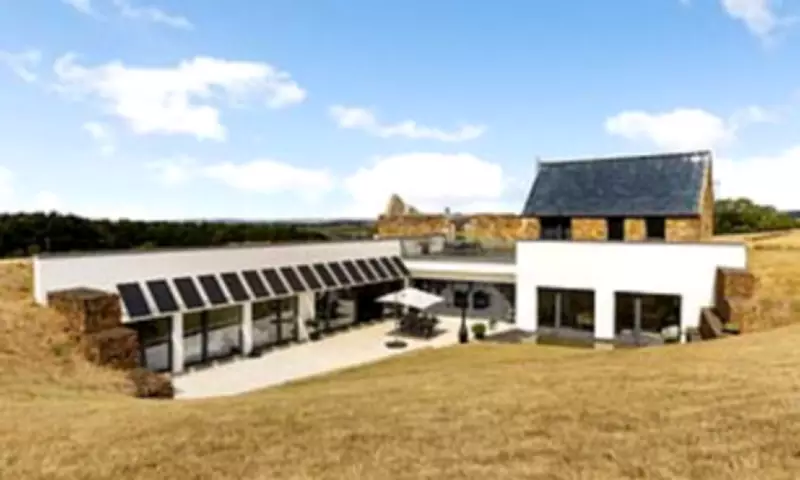
The six-bedroom residence, constructed by architect couple Helen and Chris Seymour-Smith in 2010, is nestled into a hillside to remain nearly invisible from the surrounding countryside. It sold for £1.4 million in 2012—more than double its building cost—and has now returned to the market with an asking price of £3.25 million. Despite the steep price tag, the running costs are remarkably low.
The house is engineered to retain heat so effectively that it needs no radiators. Warmth from sunlight, appliances, and occupants is circulated via a Mechanical Ventilation with Heat Recovery (MVHR) system. Current owner Glenn Jones described feeling 'phenomenally smug' due to the absence of heating bills.

Energy Efficiency and Cost Savings
A 2014 university study on Passivhaus reported that Jones's electricity expenditure was nil, thanks to rooftop solar panels. The only annual costs were £300 for firewood and a bi-annual filter replacement for the MVHR system. During a period of rising fuel prices, Jones noted his family's comfort and satisfaction with the home's efficiency.
Underhill House sits beside a restored 300-year-old Cotswold stone barn near Barton-on-the-Heath, within protected countryside on the Gloucestershire and Warwickshire borders. The property was once home to a shepherd and reportedly owned by Duran Duran drummer Roger Taylor.
Planning and Construction
The Seymour-Smiths devised a radical plan to satisfy planning officials: restore the barn and conceal the family home underground beside it. The excavation was described as digging a hole larger than an Olympic swimming pool. Mrs Seymour-Smith later called it 'loft-style living underground'. The finished house features highly insulated concrete, heavy insulation, and triple-glazed walls.
Grand Designs noted that the MVHR system maintained a temperature of around 20°C even in winter. In 2010, the property achieved Britain's best-ever airtightness score, with total leakage comparable to a hole the size of a squash ball. Snow on the exterior windows did not melt for four days, demonstrating the insulation's effectiveness.
Mrs Seymour-Smith emphasized they wanted a 'crisp, modern, white and very un-Cotswolds' aesthetic, not a 'hairshirt eco-house with composting loos'. The build, followed by Kevin McCloud for Grand Designs, avoided the disasters typical of many show projects. Mrs Seymour-Smith joked, 'I didn't get pregnant and we didn't run out of money.'
Current Features and Listing
The hidden eco-home boasts six bedrooms, five bathrooms, five reception rooms, a cinema room, and sits on half an acre of grounds. A wood-burning stove can heat water in winter, while 1,000 yards of rubber piping on the roof absorbs solar energy to heat water up to 100°C.
The Rightmove listing describes Underhill House as 'one of the most architecturally and environmentally important private homes ever constructed in the English countryside'. It achieved international recognition as England's first certified Passivhaus, setting a benchmark for sustainable rural architecture.