April Brings Mixed Financial Picture with Price Hikes and Government Relief
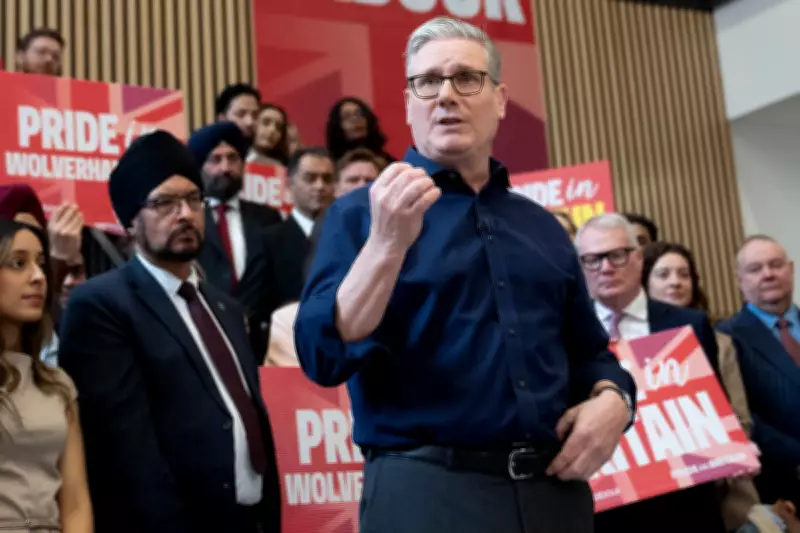
Prime Minister Sir Keir Starmer has emphasised his Government's efforts to alleviate the cost-of-living crisis, even as April ushers in a wave of price increases affecting both households and businesses across the United Kingdom.
Government Measures and Energy Bill Reductions
Sir Keir pointed to several key measures taking effect, including a reduction in energy bills by £117 annually for the average household, a rise in the national minimum wage to £10.85, an increase in the national living wage to £12.71, the launch of a £1 billion crisis and resilience fund to assist vulnerable households with heating oil prices, and a freeze on prescription charges.
"In an uncertain and volatile world, it is my Government's duty to protect the British people at home and abroad," the Prime Minister stated. "I know the public are concerned about the conflict in Iran and what it means for them and their families. I want to reassure them that they have a Government on their side, working with allies on de-escalation and bearing down on the cost of living."

He added, "Today, millions of people up and down the country will see energy bills go down by £117, wages go up for the lowest paid, and more support will be available for people who need it most – because of the decisions this Government has taken. But we must go further to bear down on costs, and that means pushing for de-escalation in the Middle East and a re-opening of the Strait of Hormuz. That is the best way we can bring down the cost of living for families and that is my focus."
Household Pressures and Rising Costs
While energy bills are decreasing temporarily, charities have warned that hikes in council tax, water, broadband, and mobile phone costs threaten to push many households to breaking point. The price most households pay for energy under Ofgem's price cap will fall by 7%, or £117 a year, to £1,641 from Wednesday, driven by the Government's promise to cut bills by an average of £150 through the removal of green subsidies.
However, concerns are mounting about potential energy bill increases from July due to the Middle East conflict, with latest predictions suggesting a possible rise of £300 annually. The conflict in Iran and disruption to key shipping routes have sent wholesale prices soaring, impacting both domestic and commercial energy markets.
Business Sector Challenges and Soaring Energy Costs
Businesses, which are not protected by a price cap, face painful increases in gas and electricity tariffs from April. Respected energy analyst Cornwall Insight reported that electricity costs for businesses have increased by 10% to 30% since the conflict began in late February, while gas prices have soared by 25% to 80%.
Even before the US-Israeli campaign against Iran, 93% of hospitality businesses stated that energy costs were impacting profitability, according to UKHospitality. The trade body warned that increases to employment costs and business rates from Wednesday will cause job losses and harm business viability.
A member survey conducted by UKHospitality in February with other trade associations revealed that 64% of hospitality businesses would slash jobs due to cost increases, 51% would cancel investment plans, and 42% would reduce trading hours. Approximately one in seven venues could be forced to close entirely.
Business Rates and Wage Increases
The rises in national minimum wage and national living wage highlighted by Sir Keir represent a £1.4 billion additional annual increase for hospitality businesses, according to UKHospitality. The body estimated that the average hike to business rates for a hotel in England totals £205,200, and £14,300 for a restaurant.
"Hospitality's tax burden – the highest in the economy – is suffocating the sector," UKHospitality, the British Beer and Pub Association, the British Institute of Innkeeping, and Hospitality Ulster said in a joint statement. "The worrying situation facing the business energy market has the potential to accelerate all of these impacts." They urged the Government to "be prepared to support vulnerable businesses if they are thrown into yet another crisis."

Business rates receipts UK-wide are expected to increase by £3.4 billion to £37.1 billion in 2026/27, according to global tax firm Ryan. Last November, the Treasury announced changes to business rates, introducing a lower multiplier but removing a Covid-era 40% discount for hospitality, leisure, and retail businesses, alongside updates to rateable values effective from Wednesday.
"This is a significant increase in business rates receipts driven by inflationary uprating, an allowance for losses on appeal and the withdrawal of Government support for the retail, leisure and hospitality sectors rather than the effects of the revaluation itself," said Alex Probyn, principal and practice leader at Ryan. "Even with transitional caps in place limiting increases, those increases will still compound and bills can more than double by the end of the cycle."
Support for Wage Increases
The national minimum wage rise drew praise from some quarters. Rachel Harrison, GMB union national secretary, commented, "A wage rise for millions of the lowest paid workers – including hundreds of thousands of young people – is exactly what this country needs. Putting more cash in people's pockets is the best way to ease the cost-of-living crisis and grow the economy."
Baroness Philippa Stroud, chair of the Low Pay Commission, which recommended the change, stated, "The recommendations we made last autumn sought to balance the need to protect the economy and labour market, whilst providing a real-terms increase for the lowest-paid members of society. A lot has changed since we gave our advice to the Government last autumn, and we are now beginning to gather evidence for recommendations later this year. The current economic uncertainty makes it essential that the Commission hears from those affected by the minimum wage and builds consensus for evidence-based recommendations."