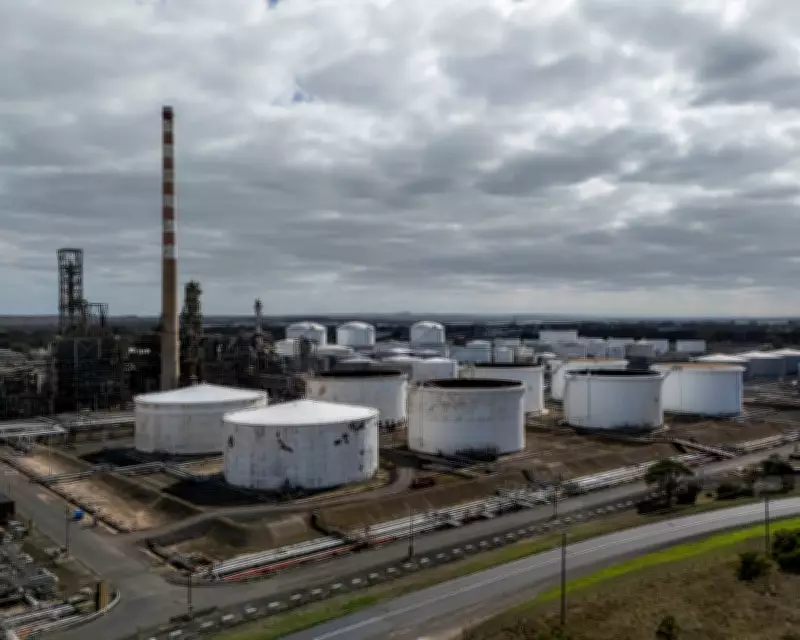
The Australian government is confronting a mounting fuel crisis as it prepares its upcoming budget, with intense debates over proposed gas tax reforms taking centre stage. Treasurer Jim Chalmers and Prime Minister Anthony Albanese are under pressure to address soaring fuel prices that are straining household budgets and impacting the broader economy.
Gas Tax Proposals Spark Political Tensions
Key independent senator David Pocock has been vocal in advocating for changes to the gas tax, arguing that current policies fail to adequately capture revenue from the lucrative resources sector. His proposals aim to increase government income while potentially easing the burden on consumers, but they face stiff opposition from industry groups and some political factions who warn of negative impacts on investment and jobs.
Budget Priorities Amid Economic Strain
The budget, set to be delivered soon, is expected to focus on cost-of-living relief, with the fuel crisis emerging as a critical issue. Analysts suggest that without intervention, high petrol and diesel costs could exacerbate inflation and slow economic growth. The government is weighing options such as temporary fuel subsidies or targeted support for vulnerable communities, but fiscal constraints limit its room to manoeuvre.

In parallel, the controversy surrounding war crimes allegations involving former soldier Ben Roberts-Smith continues to cast a shadow over national security discussions. While not directly linked to the budget, this issue underscores the complex backdrop of ethical and legal challenges facing Australian policymakers.
Regional Impacts and Public Response
Northern Territory communities are particularly affected by the fuel crisis, with remote areas experiencing severe shortages and price spikes. Local leaders have called for urgent action to ensure reliable supply chains and affordable access to essential fuels. Public sentiment is increasingly frustrated, with many Australians expressing concerns over the government's ability to manage the situation effectively.
As the budget deadline approaches, the interplay between gas tax reforms, fuel affordability, and broader economic stability will likely dominate political discourse. Stakeholders from across the spectrum are urging a balanced approach that supports both fiscal responsibility and social equity in these challenging times.