Australian Coffee Sales Plunge as Living Costs Force Consumer Cutbacks
New research reveals that more than 50% of Australian consumers are cutting back on treats such as coffee and snacks, items traditionally considered among the most resilient purchases. This trend signals a significant shift in consumer behaviour driven by escalating living expenses.
Takeaway Coffee Sales Decline Amid Economic Pressures
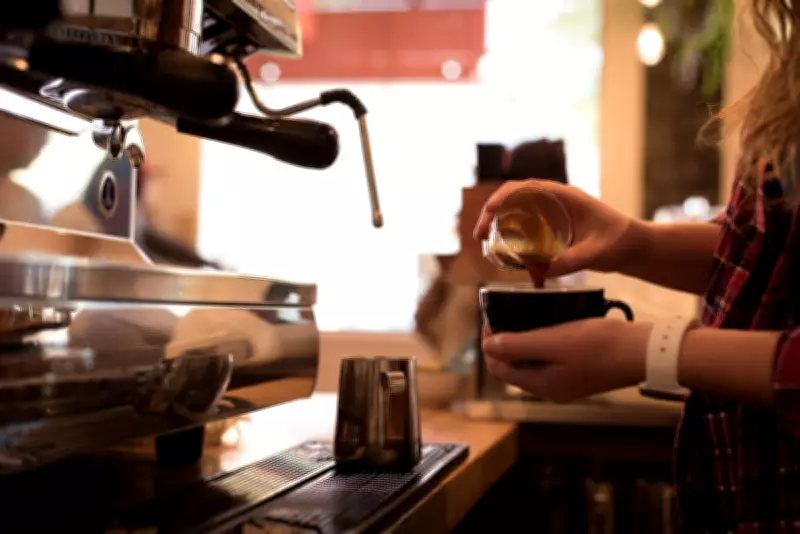
For many Australians, takeaway coffee orders are transitioning from a daily habit to an occasional luxury. Elevated petrol prices and other mounting living costs have left households feeling pessimistic, accelerating this change in spending patterns.
The rapid shift has disappointed cafe owners and surprised economists, prompting uneasy questions about the broader economic implications. If takeaway coffee sales are falling, could the economy be next?

Changes in coffee purchases serve as an early indicator of consumer attitudes because Australians typically resist giving up their daily coffee until absolutely necessary. National Australia Bank research confirms that over half of consumers are reducing spending on these treats.
Accelerating Factors and Industry Impact
While this trend has been developing for months, it accelerated dramatically in March when petrol prices surged due to international conflicts. Wes Lambert, chief executive of the Australian Restaurant & Cafe Association, reports hearing from establishments nationwide about slowing patron purchases.
"Unfortunately, it could lead to increased home and petrol station coffee consumption which would be a crying shame in Australia, a country that is famous for its barista coffee," Lambert warns.
Consumer pessimism has been validated by multiple surveys, including the Westpac-Melbourne Institute consumer sentiment index, which recorded its sharpest monthly decline since the pandemic began. The deterioration in confidence has been swift, with many households feeling optimistic just months ago before mortgage and petrol price increases took hold.
Price Pressures and Consumer Resistance
Lambert describes a "great coffee standoff" between cautious customers and businesses needing to raise prices due to rising costs. A February report by payments company Tyro found Australians' maximum willingness to pay for coffee averages $6.60, a price ceiling some cafes are already exceeding.
Dean Pearson, head of behavioural economics at NAB, explains that during difficult times, people typically maintain "affordable luxuries" like daily coffee while cutting back elsewhere. The current consumer change represents a psychological response to seeing high and rising prices for everyday items.
"That means skyrocketing costs are having a big impact on how people are feeling about the state of the economy and their household budgets," Pearson states.
Broader Economic Implications
AMP's chief economist Shane Oliver suggests the global economy is "getting closer to crunch time" as prolonged oil supply disruptions increase recession risks. Australia appears particularly vulnerable given its strong reliance on oil imports.
"Our rough estimate is that if the flow of oil through the Strait of Hormuz does not quickly resume we could survive till late next month but beyond that fuel rationing would likely be required, which would mean a direct reduction in economic activity and the likelihood of recession," Oliver explains.
However, Pearson cautions against over-interpreting the coffee trend for Australia's economic outlook. "Our forecasts would suggest consumption is easing, not collapsing. In some ways you can look at people who are cutting back as a really important way to take back control in an environment of extreme uncertainty," he notes.
Changing Habits and Broader Consumer Behaviour
Some coffee spending decline may stem from altered work patterns following government and International Energy Agency advice to conserve fuel for essential services. Those working from home typically reduce weekly takeaway coffee and lunch purchases.

Other consumer behaviour indicates households are exercising caution without preparing for a full economic downturn. Consumers are adding extra canned goods to shopping trolleys while avoiding panic-buying, and sharing meals at restaurants to save money.
Spending data from Zip shows increased use of buy now, pay later platforms for essential items including utilities, insurance, education, and health over the past three months. A Zip spokesperson confirms "increased spend on fuel from February to March 2026."
Consumer Adaptation Strategies
Gary Mortimer, a professor of marketing and consumer behaviour at Queensland University of Technology, observes that people are adjusting budgets without panicking.
"You may not be able to cut your mortgage repayments or rent, but you can scale back on streaming subscriptions and on that morning coffee, because they are a bit of a luxury," Mortimer explains. "People will be starting to bring leftovers to work, because that saves 15 bucks for lunch."
This scaling back of luxuries represents a pragmatic response to economic uncertainty, with consumers prioritising essential spending while finding creative ways to maintain some quality of life within tightened budgets.