Croatian Fishermen Struggle as Iran Conflict Fuels Soaring Diesel Costs
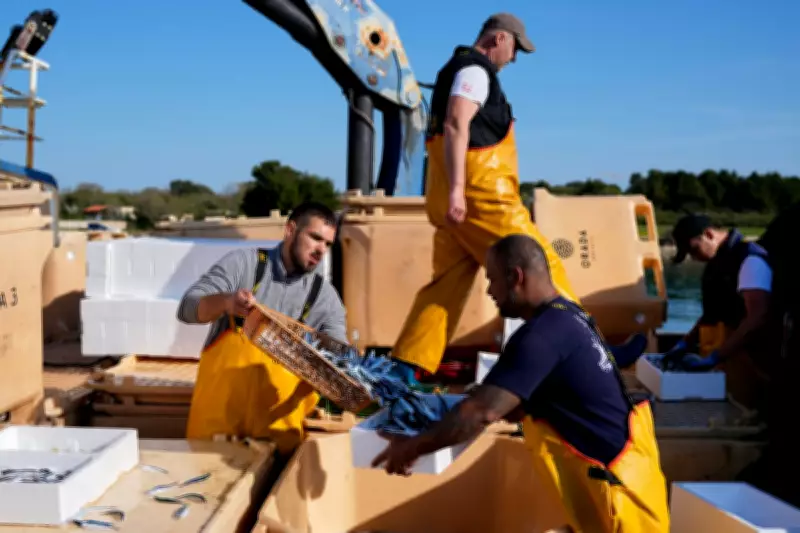
As dusk settles over the shimmering Adriatic Sea, veteran fisherman Marijan Jakopovic, aged 55, meticulously prepares his boat and nets for another night's work. With three decades of experience under his belt, the fisherman from the small village of Lanisce in Croatia's Istria peninsula declares that the current challenges are unprecedented. The fishing industry in Croatia is grappling with a severe crisis, primarily driven by skyrocketing fuel prices exacerbated by the ongoing war in Iran.
Fuel Price Surge and Government Intervention
Official data reveals a staggering 70% increase in the cost of blue diesel, a specialised fuel reserved for farmers and fishermen, within just one month. Prices jumped from 0.80 euros per litre on March 8 to 1.36 euros per litre by April 7. In response, the Croatian government implemented temporary price caps to mitigate the impact. Vedran Spehar, a senior official at the Ministry of Economy, emphasised on Croatian Radio that without state intervention, prices could have soared to at least 2 euros per litre, potentially causing shortages.
Despite these measures, the financial burden remains heavy. Jakopovic notes that some fishermen are now allocating up to 70% of their earnings solely to fuel expenses, not accounting for additional costs like crew wages, maintenance, and equipment. This situation is compounded by Croatia's status as an EU member since 2013 and its adoption of the euro in 2023, which coincided with broader price hikes across various sectors.

Broader Economic and Environmental Pressures
The fuel crisis adds to a myriad of pre-existing challenges facing Croatian fishermen. Years of commercial fishing difficulties persist despite a booming tourism industry, which attracted over 20 million visitors last year. Fishermen contend with shrinking fish stocks, seasonal bans, catch limits, and protected marine zones aimed at conserving endangered species. As an EU member, Croatia adheres to strict sustainable fishing regulations, forcing fishermen to venture further out to sea, thereby increasing fuel consumption and operational costs.
Almira Raimovic, a market vendor in Pula who previously worked as a fisherman, predicts that rising fuel costs will inevitably lead to higher prices for fish at markets and restaurants. She suggests that consumers may shift towards more affordable options like sardines and anchovies. Raimovic, who now uses her former fishing boat for tourist trips, warns that the ripple effects of fuel price increases will inflate the cost of living and food across all sectors, not just fishing.
Uncertain Future for the Industry
With Croatia currently experiencing the highest inflation rate in the EU at 4.8% annually, the cumulative impact of the Ukraine war's economic fallout and the Iran conflict has created a precarious environment. Jakopovic describes a vicious circle where each fishing expedition is fraught with uncertainty, potentially driving many out of business. He expresses deep concern about the industry's sustainability, stating, "We don't know how much longer we will be able to keep working."
The situation underscores the fragile balance between economic viability and environmental stewardship in Croatia's fishing sector, with the Iran war serving as a critical catalyst for the current distress.