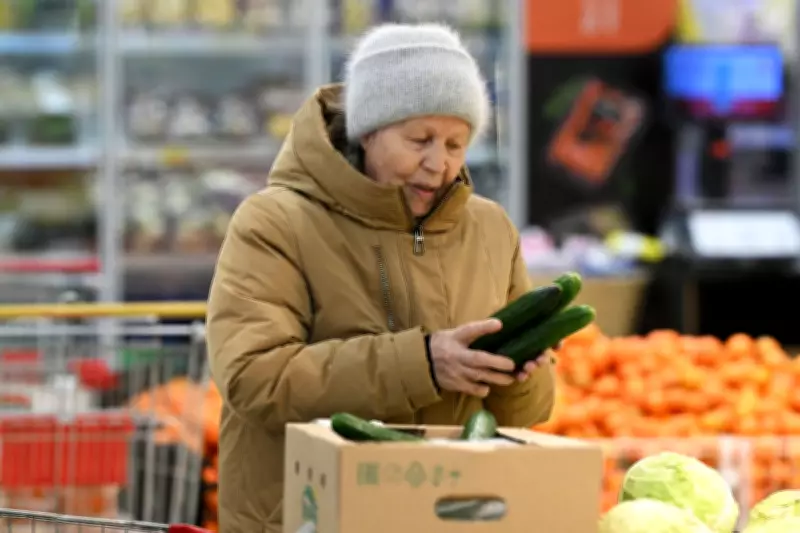
Cucumbers Become 'Golden' Luxury in Wartime Russia as Prices Double
Official statistics have confirmed that cucumbers, a humble staple in Russian salads and meals, have become the latest everyday item to see its price dramatically surge. This sharp increase has sparked widespread consumer anger and prompted swift political intervention to quell popular discontent during a time of ongoing war.
The cost of cucumbers has doubled since December, now averaging just over 300 roubles (£3.91) per kilogram. Social media platforms have been flooded with images showing prices sometimes two or three times higher than this average, highlighting the severity of the situation for ordinary Russians.
Political Pressure and Regulatory Response
This sharp price hike has prompted a swift response from politicians, including those from the ruling United Russia party, who face parliamentary elections later this year. Under pressure, the anti-monopoly regulator has written to producers and retailers, demanding explanations for the sudden price increases.

Sergei Mironov, parliamentary leader of the Just Russia party, commented on the situation, stating: "This winter, a new 'delicacy' has appeared in our shops – cucumbers." He also highlighted the Ministry of Agriculture's explanation, which attributed the sharp cucumber price hikes to seasonality.
"They used the same explanation for last year's 'golden' potatoes, and now it's 'gilded' cucumbers," Mironov added, a former paratrooper turned politician who often highlights sensitive issues angering voters across the world's largest country. "What are people supposed to do? Just accept that they can't afford the most basic foods?" he asked.
Broader Economic Context and Consumer Impact
The sudden cucumber price hike coincides with an increase in overall prices of 2.1% since the start of the year, in part as a result of an increase in value-added tax. This comes as people fret about rising costs at a time when Russia's economy is slowing after four years of war in Ukraine.
With the central bank forecasting annual inflation of up to 5.5% this year, people are also complaining about rising utility bills, petrol costs, supermarket prices, and restaurant bills. The economic strain is palpable, with cucumber prices now exceeding those of imported fruit like bananas in some areas.
In response, some supermarkets in Siberia are limiting the quantity that any one shopper can buy, and one of Russia's best-selling newspapers has given its readers seeds to grow their own cucumbers at home. These measures underscore the desperation and ingenuity emerging from the crisis.
Political Proposals and Public Backlash
Mironov's party and the communist party, both of which have seats in the Duma, the lower house of parliament, have suggested that the government cap the mark-up retailers can charge on basic foodstuffs. This proposal aims to address the root of the affordability issue.
Yevgeny Popov, a lawmaker from the ruling party, tried to play down the problem on social media, saying cucumber prices would fall and Russia was completely self-sufficient in the product. However, he was quickly rebuked by some of his followers.
"The prices for cucumbers and tomatoes are outrageous," wrote back one woman who gave her name as Svetlana. "Once upon a time they said eggs were 'golden' (because they were so expensive.) Now it's cucumbers that are golden."
Future Outlook and Producer Reassurances
Producers have reassured consumers that prices for cucumbers are likely to ease next month when the weather gets warmer. Authorities have resolved similar price issues for other foods in the past, and there are no signs that people's grumbling about the price rises, amplified by social media, poses a threat to social stability.
However, the broader economic challenges remain. As Russia navigates wartime inflation and a slowing economy, the 'golden' cucumber phenomenon serves as a stark reminder of the everyday struggles faced by its citizens, with political responses being closely watched ahead of upcoming elections.