Families in East London Resort to Outdoor Food Storage Amid Cost Crisis
Hard-up families on estates in Tower Hamlets, one of London's most deprived boroughs, are now leaving food outside on balconies because they cannot afford to use refrigerators. This desperate measure highlights the severe impact of the ongoing cost-of-living crisis, which continues to challenge households across the UK.
Soaring Prices and Energy Bills Force Drastic Measures
The situation has become so bleak that families with children are particularly worried. Industry chiefs have warned that food prices could surge by 10% this year, even if conflicts abroad are resolved soon. For many in Tower Hamlets, affording basic appliances or the cost of running them, such as fridges, has become an insurmountable hurdle.
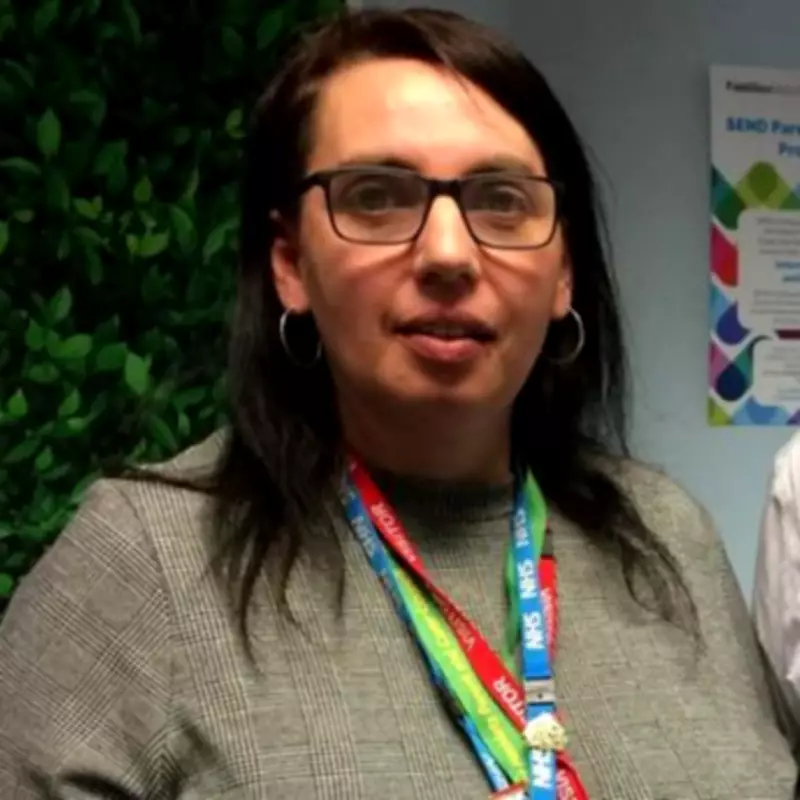
Mum-of-two Samantha Gager, 50, who lives in the borough, explained the harsh reality. "One of the main issues is affording fridges or keeping food and medications cool," she said. "Some families rely heavily on specific foods that must be stored safely, and when appliances break or energy costs rise, it creates real anxiety. I know families who are worried about running fridges continuously and have to leave food on the balcony to keep it cold."

Parents of Children with Additional Needs Suffer Most
Samantha, who works as a network coordinator for the NHS and chairs the Tower Hamlets Independent SEND Parent Carer Forum, believes parents who have children with additional needs suffer the most. She expressed concern at the rise in energy bills she and other parents in her area have noticed recently.
"Food storage has become more controlled and cautious," Samantha continued. "For families like mine, we cannot always reduce perishables because our children may only eat a limited range of fresh or specific branded foods. Rising costs are particularly challenging for families with additional needs. Food is not just about price; many autistic children have sensory sensitivities and limited diets, meaning families often cannot switch to cheaper alternatives easily."
Broader Impacts on Household Stability
The crisis extends beyond food storage. Samantha revealed that electricity costs are higher because many children rely on devices, lighting, or heating to regulate their environment. Housing instability adds another layer of distress, with overcrowded or unpredictable spaces being especially troubling for children who need calm settings.
"At times, parents cut back on their own food or essentials to ensure their child's specific needs are met," she added. "I know how it feels because we struggled without support when our children were small. I often had to put my children's needs before my own. We'd be worried about how we were going to pay the bills and that we'd lose our home. It almost led to my marriage breaking down."
Calls for Targeted Support and Community Action
While food banks and community centres exist across Tower Hamlets, Samantha notes they are under immense strain and often not equipped to meet the needs of SEND families. She advocates for more targeted support, including financial assistance specifically for families with additional needs, access to energy-efficient appliances, and food bank provisions that consider dietary and sensory requirements.
"Training staff at community centres to better support neurodiverse individuals would also make services more accessible," she emphasized. Families are now buying smaller quantities, planning meals meticulously, and doing everything they can to avoid waste, but without systemic changes, the outdoor food storage practice may become a grim norm in deprived areas.