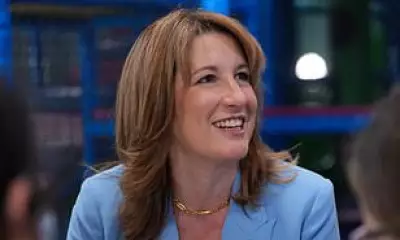
During a high-stakes confirmation hearing for Federal Reserve chair nominee Kevin Warsh, Democratic senator Elizabeth Warren raised serious concerns, accusing him of potentially becoming a 'sock puppet' for former President Donald Trump. This allegation sparked intense scrutiny from lawmakers, highlighting fears over political influence on the central bank's independence.
Warren's Direct Challenge to Warsh
Senator Elizabeth Warren, known for her advocacy on financial regulation, directly questioned Warsh about his loyalty and autonomy. She expressed worries that his appointment could undermine the Federal Reserve's traditional non-partisan stance, suggesting he might align too closely with Trump's economic policies. Warren's remarks underscored broader Democratic anxieties about maintaining checks and balances in economic governance.
Republican Senator Kennedy Seeks Clarification
In a notable cross-party moment, Republican senator John Kennedy also addressed the 'sock puppet' claims, pressing Warsh to publicly deny any intention of serving as a puppet for Trump. Warsh responded by firmly rejecting the allegation, asserting his commitment to the Federal Reserve's independent mandate and emphasizing his focus on economic stability rather than political agendas.

Implications for US Economic Policy
The hearing delved into critical issues surrounding the Federal Reserve's role in shaping US economic policy. Discussions touched on inflation management, interest rates, and financial market regulations, with senators from both parties probing Warsh's views. The 'sock puppet' controversy brought to light ongoing debates about political interference in central banking, a topic that has gained prominence in recent years.
As the confirmation process continues, Warsh's responses will be closely analyzed for signs of bias or independence. The outcome could influence not only the Federal Reserve's leadership but also public confidence in its ability to steer the economy impartially amidst political pressures.